 Nbcnews
 Taylor Swift Trademarks Voice and Likeness to Combat AI Deepfakes
Article Content

- •Taylor Swift filed trademarks for her voice and likeness to combat AI deepfakes.
- •The applications include audio clips and a specific performance image submitted on April 24, 2026.
- •This legal move follows numerous instances of unauthorized AI-generated content misusing her identity.
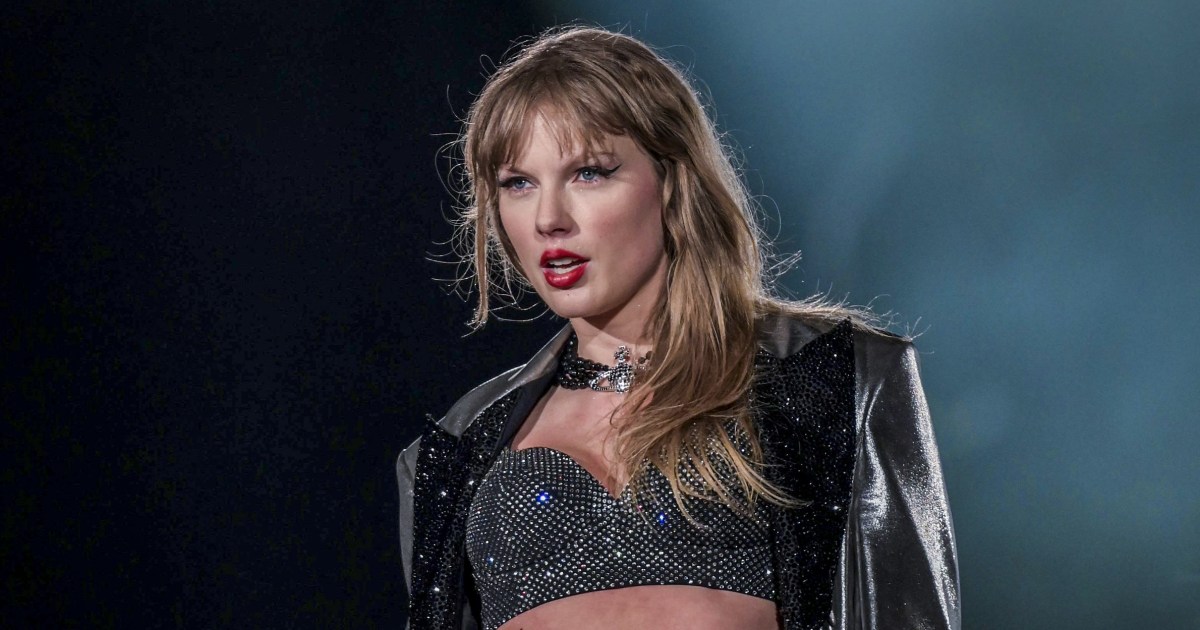
Taylor Swift has filed trademark applications for her voice and likeness to protect against AI-generated deepfakes. The applications, submitted on April 24, 2026, include two audio clips of her voice and a specific image of her performing. This move follows a rise in unauthorized AI-generated content that misuses her likeness, including explicit deepfakes and manipulated images shared on social media. Swift's legal strategy aims to create a stronger framework for protecting her identity in the face of evolving AI technologies. Intellectual property attorney Josh Gerben highlighted that these trademarks could provide additional legal grounds for Swift to challenge unauthorized uses of her voice and image. The filings reflect a broader trend among celebrities to safeguard their identities amid growing concerns about AI misuse. Notably, actor Matthew McConaughey has previously pursued similar trademark protections. Swift's actions come as AI tools become more sophisticated, raising significant concerns in the entertainment industry.
Ask AI about this cluster
Answers cite the sources they use
Timeline
More articles in this cluster (17)
Continue Reading
 CVE-2015-3306 Exploited in ProFTPD FTP Servers CVE-2015-3306, a vulnerability in ProFTPD 1.3.5, allows remote attackers to read and write arbitrary files using the SITE CPFR and SITE CPTO commands. This exploit can lead to unauthorized access and potential remote code execution, as the commands are executed with the privileges of the ProFTPD service. Active…
  CISA Mandates Urgent Patching of Five Critical Flaws Exploited by Flax Typhoon The U.S. Cybersecurity and Infrastructure Security Agency (CISA) has ordered federal agencies to patch five critical vulnerabilities by October 11, 2026, following exploitation by the China-linked hacking group Flax Typhoon. The vulnerabilities, added to CISA's Known Exploited Vulnerabilities (KEV) catalog, include…