 edge.prnewswire.com
 TELUS Digital's AI Safety Benchmark Reveals High Exploitability of AI Models
Article Content

- •All 34 AI models tested were found to be exploitable, with attack success rates up to 92.9%.
- •The benchmark emphasizes the need for continuous testing of AI systems rather than one-time assessments.
- •Enterprises are urged to adopt automated security measures to manage AI-related risks effectively.
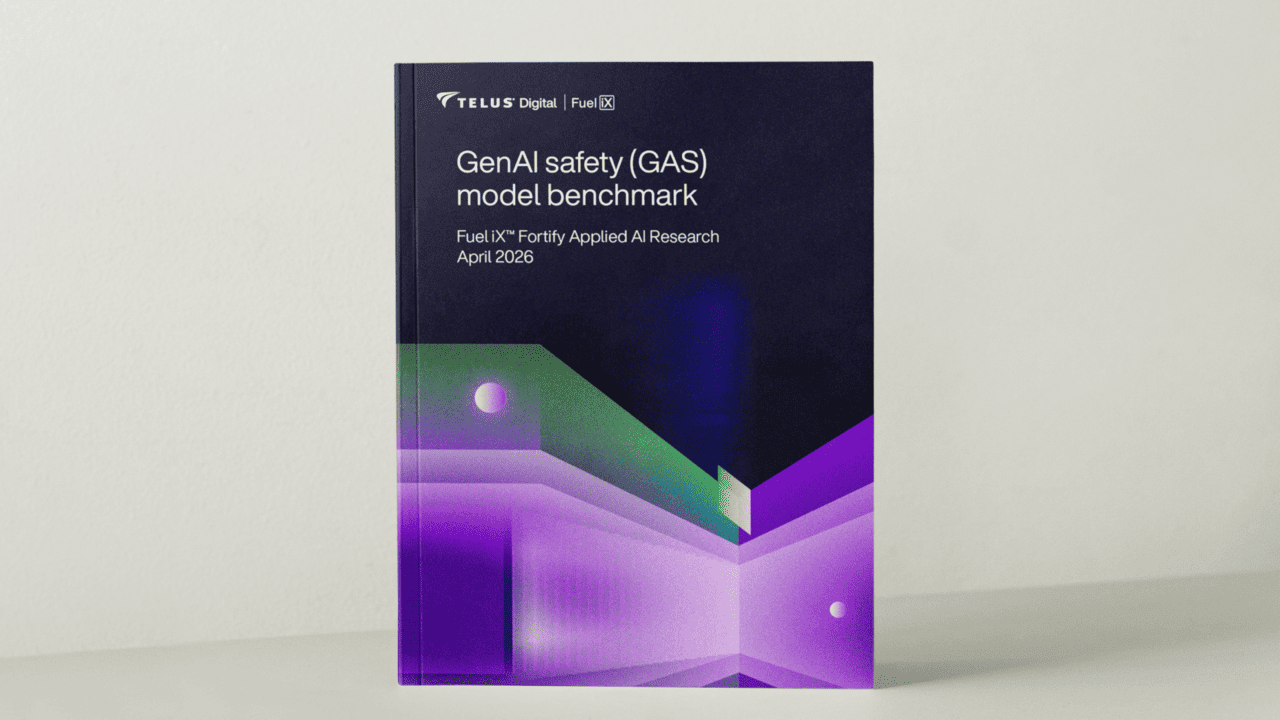
TELUS Digital's GenAI Safety Model Benchmark, published on May 26, 2026, analyzed 34 AI models from 10 providers, revealing that every model tested was exploitable. Attack success rates varied significantly, ranging from 1.3% to 92.9% across over 620,000 adversarial attacks. The study emphasizes that traditional AI safety benchmarks do not reflect real-world deployment conditions, as they often test models in isolation. The findings indicate that many organizations lack awareness of specific vulnerabilities applicable to their AI systems. Continuous testing and automated security measures are recommended to mitigate risks. The benchmark serves as a critical resource for enterprises to prioritize defensive investments and comply with emerging regulatory mandates in the U.S. and EU. This research marks the second edition of TELUS Digital's benchmark, expanding its scope significantly from the first edition published in November 2025.
Ask AI about this cluster
Answers cite the sources they use
Timeline
More articles in this cluster (3)
Continue Reading
 Critical WSO2 API Manager Vulnerability Under Active Exploitation A critical vulnerability (CVE-2026-5430) in WSO2 API Manager is being actively exploited, allowing unauthenticated attackers to forge admin tokens via JWT authentication bypass. This flaw, which has a CVSS score of 10.0, affects multiple WSO2 products including API Manager, Universal Gateway, Traffic Manager, and API…
  Critical Linux Kernel Vulnerability CVE-2025-39682 Under Active Exploitation A critical vulnerability (CVE-2025-39682) in the Linux kernel allows remote code execution through mishandling of zero-length TLS records. This flaw affects kTLS-enabled hosts running vulnerable kernel versions, exposing them to attackers without authentication. CISA added this vulnerability to its Known Exploited…