 Thenextweb
Tesla Designs Cybercab for Future LFP Battery Integration
Article Content

- •Cybercab battery pack designed for future LFP cell integration.
- •LFP cells are cheaper and more durable but have lower energy density.
- •Tesla aims for the Cybercab to last 500,000 miles with easier module replacement.
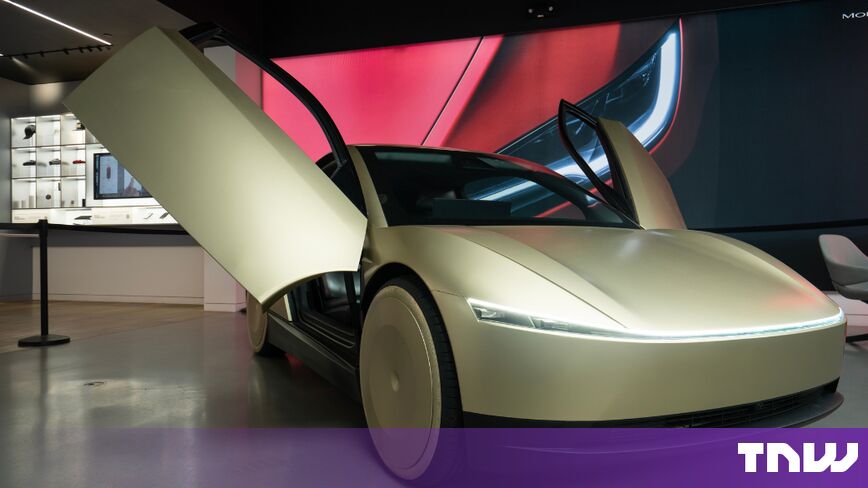
Tesla has designed the Cybercab's battery pack with extra space to accommodate future lithium iron phosphate (LFP) cells, as stated by battery engineer Robert Sumpf. Currently, the Cybercab utilizes Tesla's 4680 cells with nickel-based chemistry. The design allows for the potential integration of LFP cells, which are cheaper and more stable but store less energy. The extra space in the battery pack could enable Tesla to add more LFP cells to mitigate range loss. The Cybercab is engineered for durability, aiming for a lifespan of 500,000 miles, which aligns with LFP's longevity. Tesla's VP of vehicle engineering noted that the design also simplifies module replacement, unlike the glued battery pack in the Model Y. The Cybercab is set to begin customer deliveries soon, with rides starting in Dallas next month. Tesla's factory line is reportedly producing vehicles faster than they can be deployed.
Ask AI about this cluster
Answers cite the sources they use
Timeline
More articles in this cluster (3)
Common questions
What battery chemistry is currently used in the Cybercab?
What are the advantages of LFP cells?
When will Cybercab rides start?
Continue Reading
 PHP2Shell Vulnerabilities Exploited by AI-Driven Attackers Threat actors have exploited PHP2Shell vulnerabilities (CVE-2026-109618 and CVE-2026-109619) to target a government entity in Europe, gaining access to sensitive data within two hours of the initial breach. The attackers utilized AI tools for reconnaissance and post-exploitation activities, including accessing…