 www.hrw.org
 Thailand Investigates Online Death Threats Against MPs and Human Rights Defenders
Article Content

- •Human Rights Watch called for urgent protection of three human rights defenders in Thailand.
- •Online threats intensified following a deadly insurgent attack on July 22, 2026.
- •Abusive social media posts are linked to state-sponsored disinformation campaigns.
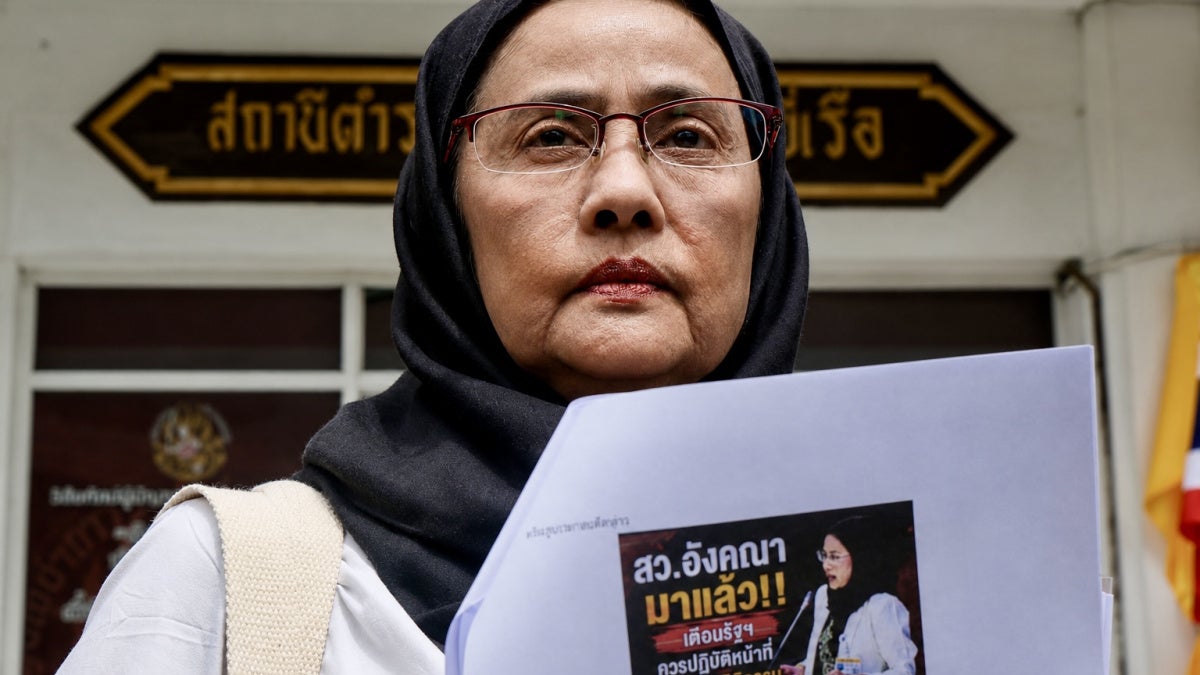
On July 31, 2026, Human Rights Watch urged Thai authorities to protect Angkhana Neelapaijit, Romadon Panjor, and Anchana Heemmina from online death threats. These threats emerged following their criticism of the military and support for the Muslim community in Southern Thailand. Angkhana filed a police report under the Computer-Related Crime Act due to social media posts labeling her a sympathizer of the insurgent group Barisan Revolusi Nasional (BRN). The abusive posts are believed to be part of a state-sponsored disinformation campaign, with some accounts linked to government operations. The online harassment intensified after a deadly insurgent attack on July 22, 2026, which killed five soldiers. Human Rights Watch emphasized the need for urgent investigations and accountability for those responsible for the threats. The situation highlights the ongoing dangers faced by human rights defenders in Thailand's deep south, where previous attacks have led to real-life violence.
Ask AI about this cluster
Answers cite the sources they use
Timeline
More articles in this cluster (2)
Continue Reading
 Critical WSO2 API Manager Vulnerability Under Active Exploitation A critical vulnerability (CVE-2026-5430) in WSO2 API Manager is being actively exploited, allowing unauthenticated attackers to forge admin tokens via JWT authentication bypass. This flaw, which has a CVSS score of 10.0, affects multiple WSO2 products including API Manager, Universal Gateway, Traffic Manager, and API…
  Critical Linux Kernel Vulnerability CVE-2025-39682 Under Active Exploitation A critical vulnerability (CVE-2025-39682) in the Linux kernel allows remote code execution through mishandling of zero-length TLS records. This flaw affects kTLS-enabled hosts running vulnerable kernel versions, exposing them to attackers without authentication. CISA added this vulnerability to its Known Exploited…