 www.cryptotimes.io
 Trezor Revokes Reseller Authorizations Amid Ledger Implant Scandal
Article Content

- •Trezor is cutting its authorized dealer network due to a security incident at Ledger.
- •No evidence has been found that Trezor devices themselves are compromised.
- •Affected resellers will lose authorization on January 1, 2027, and can only sell existing stock.
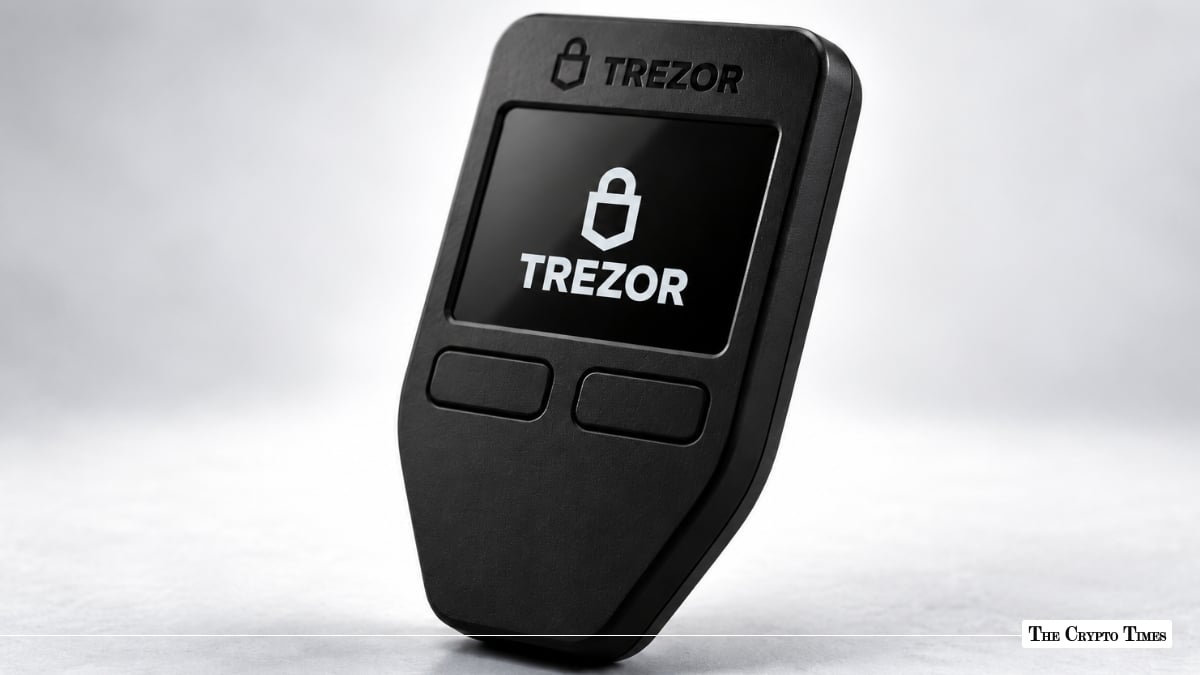
Trezor announced on October 13, 2026, that it will cut its authorized dealer network, effective January 1, 2027. This decision follows a security incident involving Ledger, where hardware wallets sold through a third-party reseller contained hidden implants that compromised user recovery phrases. Trezor emphasized that there is no evidence its devices have been compromised, and the move is precautionary. Affected resellers will no longer receive new stock and can sell existing inventory until the authorization ends. The incident linked to Ledger has reportedly resulted in over $86 million in drained funds. Trezor aims to tighten control over its supply chain by reducing the number of resellers.
Ask AI about this cluster
Answers cite the sources they use
Timeline
More articles in this cluster (3)
Following this threat?
Track CoinDesk in your own feed — you're alerted when they show up in new reporting, leak sites or exploitation.
Free account · no card needed
Common questions
What caused Trezor to cut its reseller network?
Are Trezor devices compromised?
What should affected resellers do now?
Continue Reading
 Critical Zero-Day Exploited in BeyondTrust Remote Support by China-linked Group A critical vulnerability in BeyondTrust Remote Support, tracked as CVE-2026-102764 with a CVSS score of 9.3, has been exploited by the China-linked espionage group Armory Castle since August 29, 2026. This flaw allows unauthenticated remote attackers to perform file operations, gaining root control and access to…
  CISA Warns of Exploited Vulnerabilities in ProFTPD, ONLYOFFICE, Strapi, and More The U.S. Cybersecurity and Infrastructure Security Agency (CISA) added five vulnerabilities to its Known Exploited Vulnerabilities (KEV) catalog, including critical flaws in ProFTPD, ONLYOFFICE Docs, Strapi, Apache Struts, and ISC BIND. These vulnerabilities are being by Chinese actors for cyber espionage, targeting…