 Kyivpost
 G7 Leaders Consider Reinstating Sanctions on Russian Oil Amid Ukraine Conflict
Article Content

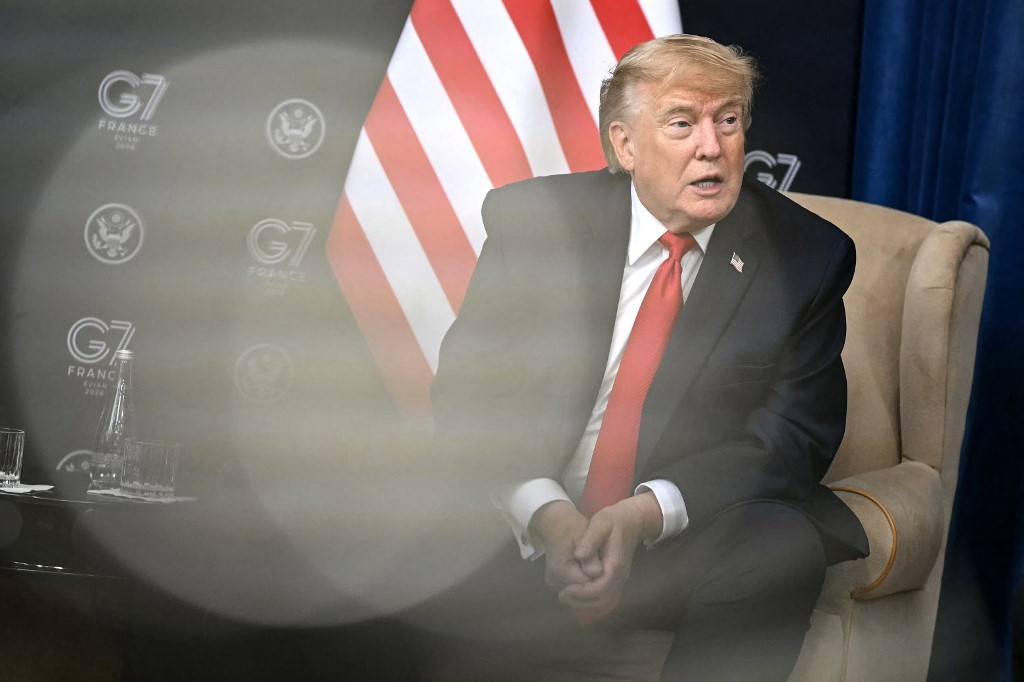
- •Trump indicated potential reinstatement of sanctions on Russian oil at the G7 summit.
- •Ukrainian President Zelenskyy emphasized the need for military support and sanctions against Russia.
- •Recent Russian drone strikes resulted in civilian casualties, underscoring the conflict's severity.
At the G7 summit, President Trump indicated that the U.S. could soon reinstate sanctions on Russian oil shipments, which were temporarily eased due to the Iran conflict. The sanctions are aimed at increasing pressure on Russia amid its ongoing war in Ukraine. Ukrainian President Zelenskyy participated in discussions, emphasizing the need for more military support and sanctions against Russia. Recent Russian drone strikes on Ukrainian cities resulted in civilian casualties, highlighting the urgency of the situation. European leaders expressed optimism about the potential for peace, with discussions focusing on air defense capabilities and additional sanctions. The U.S. previously eased sanctions to stabilize global oil prices, but with oil flows through the Strait of Hormuz stabilizing, Trump suggested a shift back to stricter measures. The situation remains fluid as the G7 leaders work to address the ongoing conflict and its implications.
Ask AI about this cluster
Answers cite the sources they use
Timeline
More articles in this cluster (7)
Continue Reading
 Critical WSO2 API Manager Vulnerability Under Active Exploitation A critical vulnerability (CVE-2026-5430) in WSO2 API Manager is being actively exploited, allowing unauthenticated attackers to forge admin tokens via JWT authentication bypass. This flaw, which has a CVSS score of 10.0, affects multiple WSO2 products including API Manager, Universal Gateway, Traffic Manager, and API…
  Critical Linux Kernel Vulnerability CVE-2025-39682 Under Active Exploitation A critical vulnerability (CVE-2025-39682) in the Linux kernel allows remote code execution through mishandling of zero-length TLS records. This flaw affects kTLS-enabled hosts running vulnerable kernel versions, exposing them to attackers without authentication. CISA added this vulnerability to its Known Exploited…