 sfstandard.com
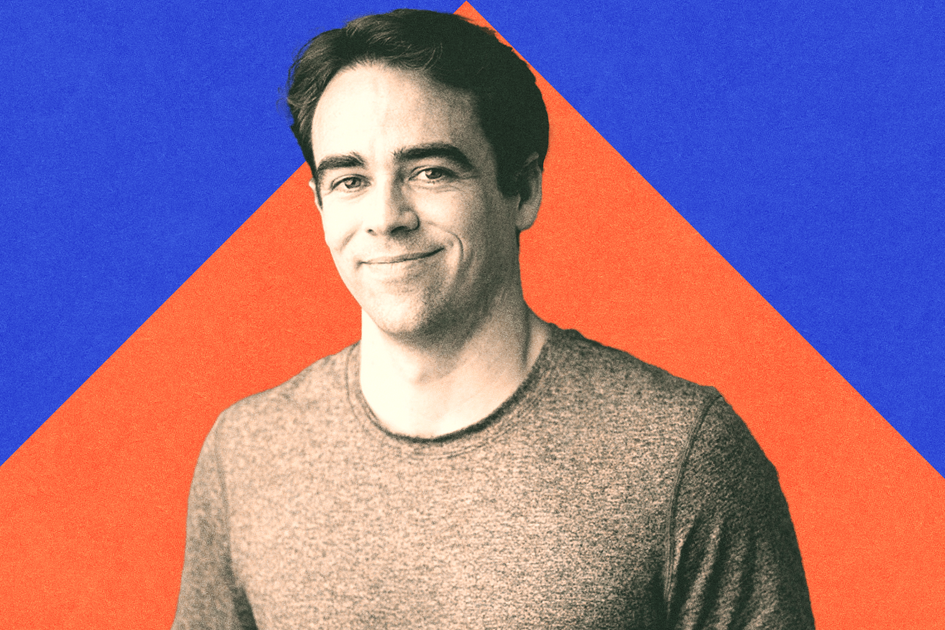
Tyler Shultz Warns AI Boom Mirrors Theranos Fraud Tactics
Article Content

- •Tyler Shultz warns that the AI investment landscape mirrors Theranos' deceptive practices.
- •Investors are urged to conduct thorough due diligence to avoid repeating past mistakes.
- •The documentary 'You Can See Everything' has reignited interest in Elizabeth Holmes.
Tyler Shultz, a whistleblower from Theranos, cautions that the current AI investment landscape resembles the deceptive practices of Elizabeth Holmes. He highlights that the AI boom allows for significant funding without adequate due diligence, similar to the way Theranos misled investors. Shultz argues that the ambiguity surrounding AI technologies makes it difficult for investors to discern genuine innovations from mere repackaging of existing solutions. He emphasizes the need for investors to be more cautious and thorough in their evaluations to avoid repeating past mistakes. The release of the documentary 'You Can See Everything' has reignited public interest in Holmes, which Shultz believes is part of her ongoing manipulation of public perception. He warns that the lessons learned from Theranos may be forgotten in the excitement over AI advancements.
Ask AI about this cluster
Answers cite the sources they use
Timeline
More articles in this cluster (4)
Common questions
What are the main concerns regarding AI investments?
How has public perception of Elizabeth Holmes changed?
What should investors focus on in the AI sector?
Continue Reading
 Binance Hack: $6.3 Billion Stolen in Largest Crypto Heist On October 29, 2026, Binance, the world's largest cryptocurrency exchange, reported a major security incident involving an estimated $6.3 billion in stolen funds. The attack was attributed to a compromised laptop belonging to a DevOps engineer, allowing unauthorized withdrawal transactions. Approximately $3 billion in…
 China-Linked Hackers Exploit PHP2Shell Vulnerabilities to Breach U.S. Government Systems On October 21, 2026, the PHP development team released patches for two critical vulnerabilities in PHP, known as PHP2Shell (CVE-2026-109618 and CVE-2026-109619), which allow unauthenticated remote code execution. These vulnerabilities were actively exploited by a suspected China-linked threat actor who compromised 25…