 Ukrinform
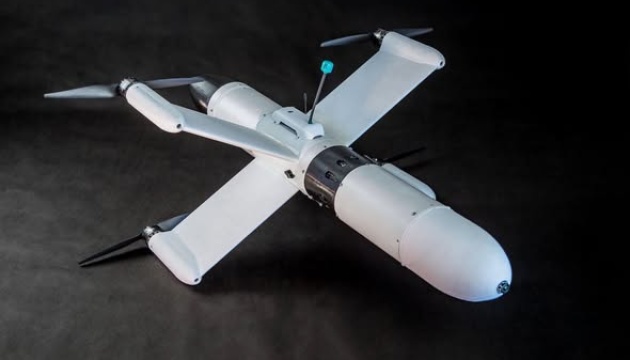
 Ukraine Deploys 8000 Octopus Drones to Counter Russian UAV Threats
Article Content

- •Ukraine is procuring 8,000 Octopus-100 interceptor drones to bolster air defense.
- •The drones are designed to intercept Shahed-type loitering munitions with AI-assisted targeting.
- •Production is ramping up with support from 29 Ukrainian companies and the UK government.
The Ukrainian Defense Forces are set to receive 8,000 Octopus-100 interceptor drones to enhance air defense against Russian aerial attacks. Developed by the Armed Forces of Ukraine, these drones are specifically designed to intercept Shahed-type loitering munitions. The production involves 29 Ukrainian companies and support from the UK, with the first successful tests conducted in January 2026. The Octopus drones feature automatic target-tracking capabilities and can operate effectively under electronic warfare conditions. The General Staff of the Armed Forces of Ukraine has confirmed the effectiveness of these drones in combat scenarios. The project aims to significantly increase the interception rate of enemy aerial threats. Production is being scaled up, and improvements to the drones' software and targeting modules are ongoing. This initiative represents a major step in Ukraine's defense capabilities amidst ongoing conflict.
Ask AI about this cluster
Answers cite the sources they use
Timeline
More articles in this cluster (2)
Continue Reading
 Critical WSO2 API Manager Vulnerability Under Active Exploitation A critical vulnerability (CVE-2026-5430) in WSO2 API Manager is being actively exploited, allowing unauthenticated attackers to forge admin tokens via JWT authentication bypass. This flaw, which has a CVSS score of 10.0, affects multiple WSO2 products including API Manager, Universal Gateway, Traffic Manager, and API…
  Critical Linux Kernel Vulnerability CVE-2025-39682 Under Active Exploitation A critical vulnerability (CVE-2025-39682) in the Linux kernel allows remote code execution through mishandling of zero-length TLS records. This flaw affects kTLS-enabled hosts running vulnerable kernel versions, exposing them to attackers without authentication. CISA added this vulnerability to its Known Exploited…