 Turkiyetoday
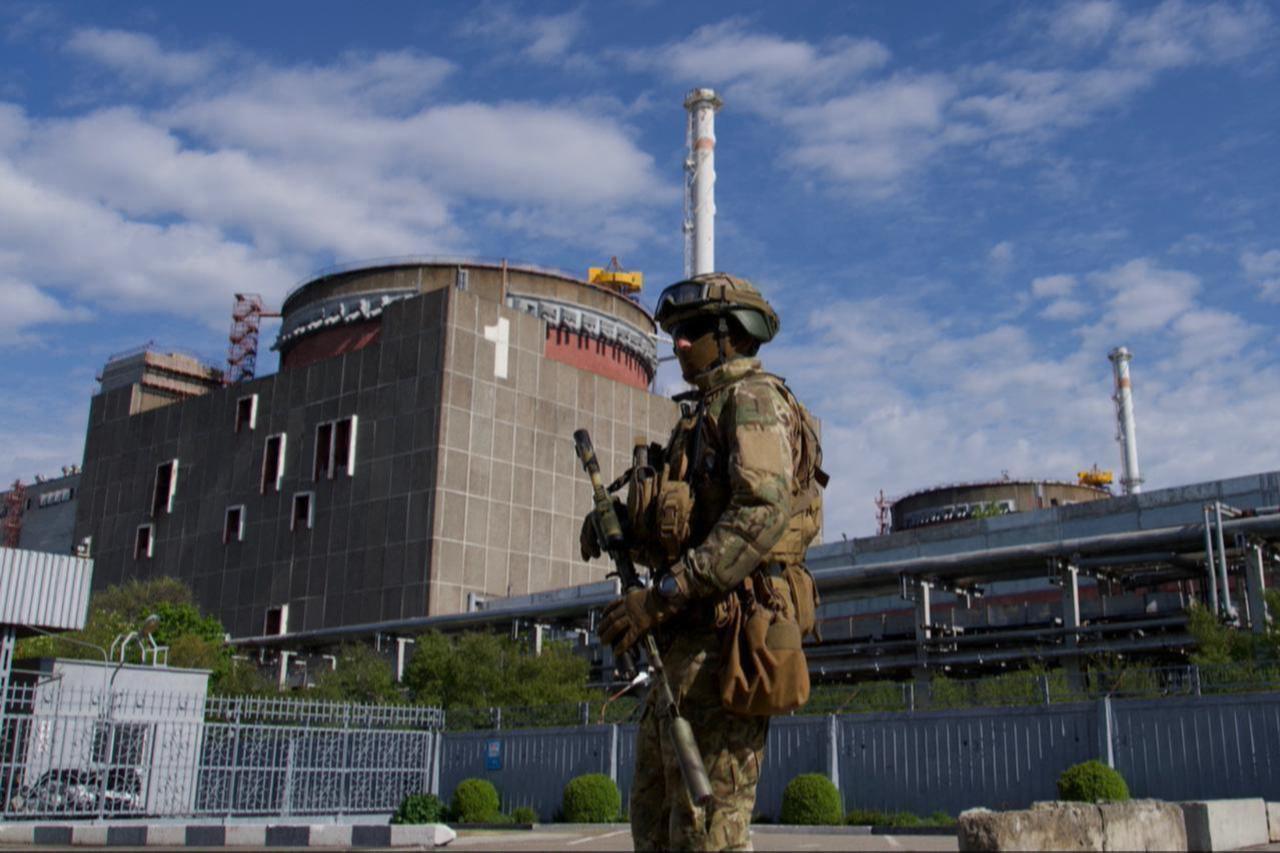
 Ukraine Drone Attack Damages Zaporizhzhia Nuclear Facilities
Article Content

- •Two facilities at Zaporizhzhia Nuclear Power Plant were damaged in a drone attack.
- •No injuries reported, and nuclear safety remains unaffected according to Rosatom.
- •The attack highlights ongoing tensions and risks around Europe's largest nuclear facility.
On October 5, 2026, Rosatom reported that two facilities at the Zaporizhzhia Nuclear Power Plant were damaged in a Ukrainian drone attack. The targeted structures included a laboratory building and a radioactive waste processing facility, both suffering roof damage but no injuries or nuclear safety threats. Rosatom's Director General Alexey Likhachev confirmed the attack and stated that the facilities are near the plant's fourth and fifth reactors. Despite the ongoing conflict, plant personnel continue to operate under challenging conditions. The situation remains tense, with both Russia and Ukraine accusing each other of attacks around the facility. The International Atomic Energy Agency has personnel stationed at the plant since September 2022 to monitor safety conditions.
Ask AI about this cluster
Answers cite the sources they use
Timeline
More articles in this cluster (3)
Following this threat?
Track Rosatom in your own feed — you're alerted when they show up in new reporting, leak sites or exploitation.
Free account · no card needed
Common questions
What facilities were damaged?
Were there any casualties?
What is the current safety status of the plant?
Continue Reading
 Critical Authentication Bypass in Cisco Catalyst SD-WAN Manager Exploited On September 30, 2026, Cisco disclosed a critical vulnerability (CVE-2026-76504) in the Catalyst SD-WAN Manager that allows unauthenticated remote attackers to bypass authentication and gain admin-level access to the system. This flaw stems from improper handling of URI encoding in HTTP requests, enabling attackers to…
  Critical Authentication Bypass in Rejetto HFS Exploited Within 24 Hours Anthropic's Mythos model identified a critical authentication bypass in Rejetto HTTP File Server (HFS), tracked as CVE-2026-61500, allowing remote code execution. Discovered by Horizon3 researcher Zach Hanley, the flaw was revealed on September 27, 2026, and exploitation began within 24 hours, with attacks traced to…