 www.bbc.com
 Ukraine Resists Russian Demands Over Donetsk Fortress Belt
Article Content

- •Ukraine holds 6,600 sq km of Donetsk, vital for defense and territorial integrity.
- •Russia seeks to solidify control over Donetsk to avoid further military losses.
- •Withdrawal from the fortress belt would significantly weaken Ukraine's defenses.
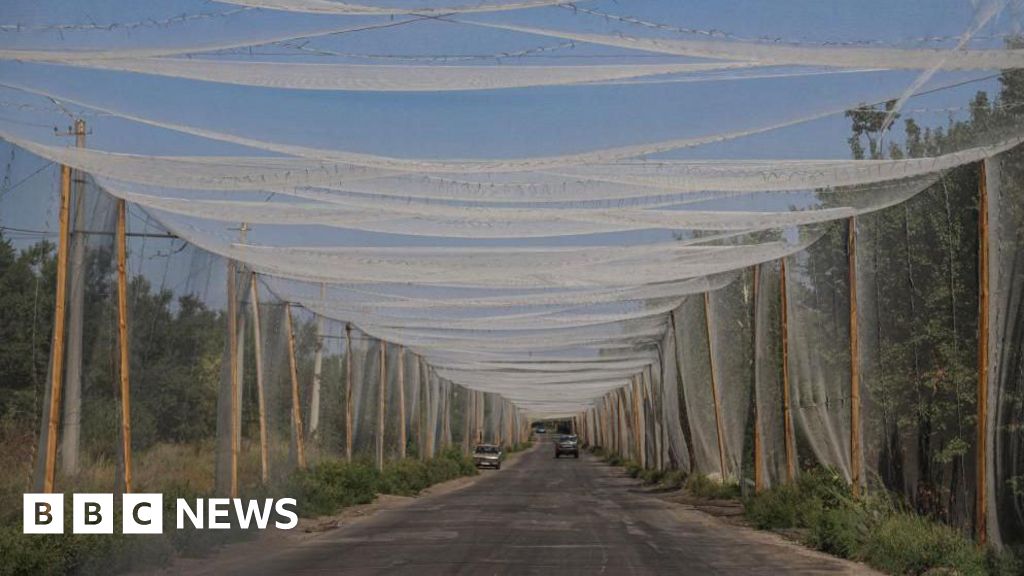
In ongoing peace talks, Russian President Vladimir Putin demands Ukraine surrender the remainder of the Donetsk region, which is crucial for both military strategy and territorial claims. Ukraine currently holds approximately 6,600 square kilometers of the Donetsk province, including key urban centers like Kramatorsk and Slovyansk. The area, known as Ukraine's 'fortress belt,' has been heavily fortified over the past decade, making it a significant defensive position against Russian advances. Analysts suggest that a Ukrainian withdrawal could lead to a rapid deterioration of its defensive capabilities and a potential new wave of refugees. The conflict has resulted in extensive destruction of infrastructure, with estimates indicating that the economy of the region has been severely impacted. As of now, Ukraine remains firm in its refusal to concede any territory. The situation remains tense, with both sides preparing for potential escalations in military operations.
Ask AI about this cluster
Answers cite the sources they use
Timeline
More articles in this cluster (2)
Continue Reading
 Critical WSO2 API Manager Vulnerability Under Active Exploitation A critical vulnerability (CVE-2026-5430) in WSO2 API Manager is being actively exploited, allowing unauthenticated attackers to forge admin tokens via JWT authentication bypass. This flaw, which has a CVSS score of 10.0, affects multiple WSO2 products including API Manager, Universal Gateway, Traffic Manager, and API…
  Critical Linux Kernel Vulnerability CVE-2025-39682 Under Active Exploitation A critical vulnerability (CVE-2025-39682) in the Linux kernel allows remote code execution through mishandling of zero-length TLS records. This flaw affects kTLS-enabled hosts running vulnerable kernel versions, exposing them to attackers without authentication. CISA added this vulnerability to its Known Exploited…