 Kyivindependent
 Ukraine Strikes Chemical Plant and Oil Infrastructure in Russia
Article Content

- •Ukrainian drones struck a chemical plant and oil infrastructure deep in Russia.
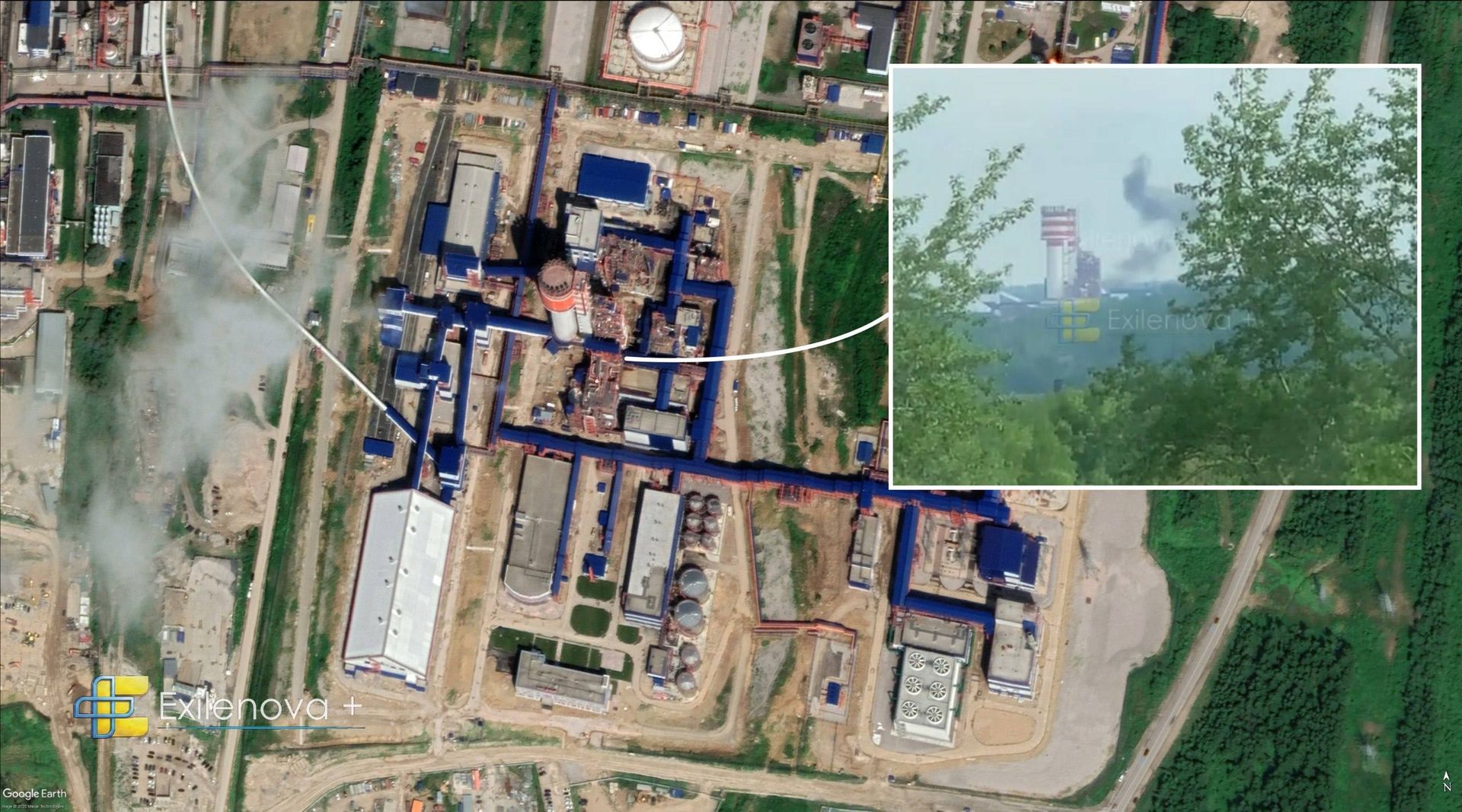
- •The Metafrax Chemicals plant is crucial for military production, now halted.
- •Two people were injured in the attacks, which are part of Ukraine's strategy to disrupt Russian military supply chains.
On May 23, 2026, Ukrainian drones targeted the Metafrax Chemicals plant in Perm Krai and oil facilities in Novorossiysk, Russia. President Zelensky confirmed the strikes, emphasizing the plant's role in supplying military production. The attack halted production at the chemical facility, which is vital for missile engines and explosives. The strikes also affected the Sheskharis oil terminal, one of Russia's largest, causing fires and injuring two people. Ukrainian officials stated that the attacks are part of ongoing efforts to weaken Russia's military capabilities. The chemical plant is located approximately 1,700 kilometers from Ukraine's border, showcasing Ukraine's long-range strike capabilities. Previous drone attacks on these facilities occurred earlier in 2026, indicating a sustained campaign against Russian industrial targets.
Ask AI about this cluster
Answers cite the sources they use
Timeline
More articles in this cluster (3)
Following this threat?
Track AKM Chemical Complex in your own feed — you're alerted when they show up in new reporting, leak sites or exploitation.
Free account · no card needed
Continue Reading
 Critical WSO2 API Manager Vulnerability Under Active Exploitation A critical vulnerability (CVE-2026-5430) in WSO2 API Manager is being actively exploited, allowing unauthenticated attackers to forge admin tokens via JWT authentication bypass. This flaw, which has a CVSS score of 10.0, affects multiple WSO2 products including API Manager, Universal Gateway, Traffic Manager, and API…
  Critical Linux Kernel Vulnerability CVE-2025-39682 Under Active Exploitation A critical vulnerability (CVE-2025-39682) in the Linux kernel allows remote code execution through mishandling of zero-length TLS records. This flaw affects kTLS-enabled hosts running vulnerable kernel versions, exposing them to attackers without authentication. CISA added this vulnerability to its Known Exploited…