 Kyivindependent
Ukraine Strengthens Sanctions Against Russian Crypto to Combat Evasion Tactics
Article Content

- •Ukraine has enacted stronger sanctions against Russian cryptocurrency services.
- •The sanctions prohibit transactions with virtual assets and related platforms.
- •Russia's monthly transactions using cryptocurrency for sanctions evasion exceed $5 billion.
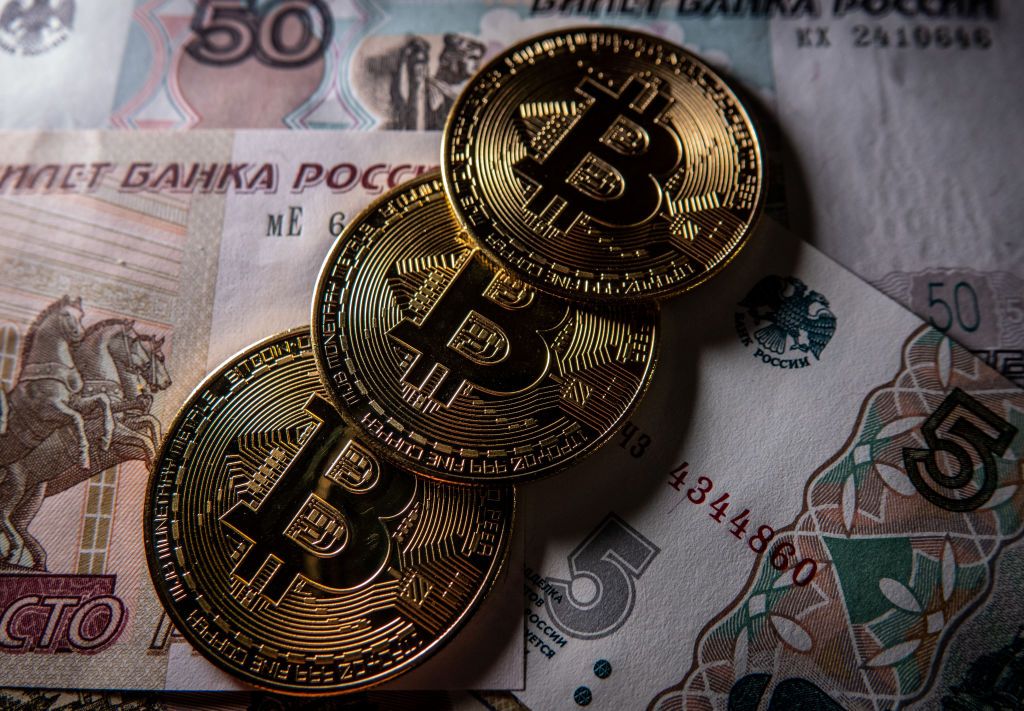
On July 15, 2026, Ukraine announced enhanced sanctions targeting Russia's financial sector, specifically focusing on cryptocurrency and digital financial assets. President Zelensky signed a decree that extends restrictions to operators of digital trading platforms and prohibits transactions involving virtual assets. This move aims to prevent Russia from circumventing sanctions through modern financial instruments, which have reportedly facilitated over $5 billion in monthly transactions. The updated sanctions align with recent EU measures and expand the scope to include all virtual assets tied to the Russian ruble. The sanctions are a response to Russia's increasing reliance on cryptocurrency for international payments, particularly through the ruble-pegged stablecoin A7A5. The A7 network, linked to military financing, has been identified as a key player in these evasion schemes. Ukraine's sanctions are designed to increase pressure on Russia's financial system and close existing loopholes.
Ask AI about this cluster
Answers cite the sources they use
Timeline
More articles in this cluster (3)
Continue Reading
 Critical BeyondTrust 9.3 Vulnerability Actively Exploited by Threat Actor A critical vulnerability (CVE-2026-102764) in BeyondTrust Remote Support has been discovered and is actively being exploited by the threat group ARMORY CASTLE, reportedly linked to China. The vulnerability, which has a CVSS score of 9.3, allows unauthenticated attackers to upload files and potentially compromise host…
 Lazarus APT Launches Operation FlashHole Using AI and Post-Quantum Cryptography Kaspersky has identified a cyberespionage campaign, dubbed Operation FlashHole, attributed to the Lazarus APT group, active since July 2025. The campaign has targeted at least three organizations in South Korea's construction, software, and wire-communication sectors. Attack methods include spear-phishing emails…