 thedefender.media
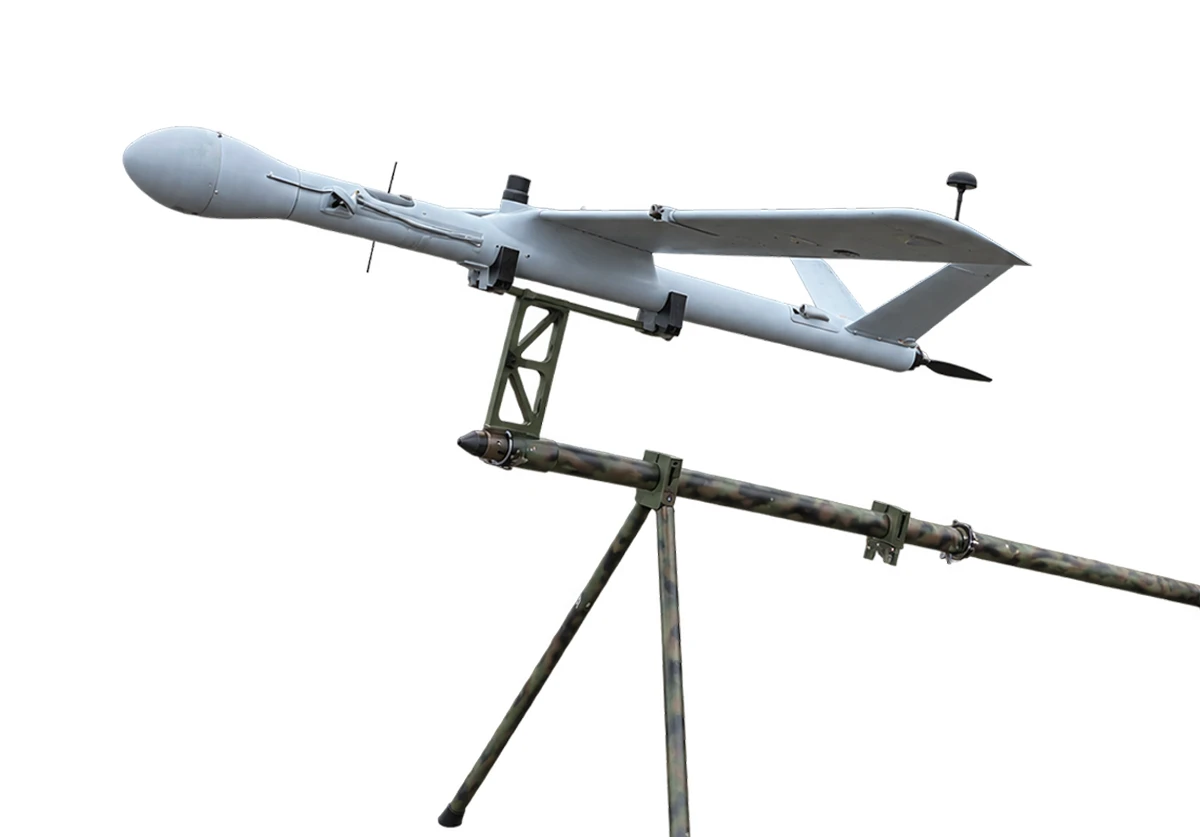
 Ukraine Unveils SHOT-L1 Drone Targeting Russian EW Systems
Article Content

- •The SHOT-L1 drone autonomously detects and attacks Russian electronic warfare systems.
- •It can switch to a pre-designated target if no radio emissions are detected.
- •Over 590,000 UAVs were ordered by the Ukrainian military in 2026.
Ukraine has introduced the SHOT-L1 drone, designed to autonomously detect and attack Russian electronic warfare systems. The drone can identify radio emission sources and lock onto the strongest signal, or switch to a pre-designated target if no signals are detected. It features a thermal imaging camera, an analog video link, and a terminal guidance system, with a cruising speed of 100 km/h and a flight endurance of up to 60 minutes. The SHOT-L1 can carry a payload of 4 kg and is priced at UAH 416,000 (approximately US$9,270) on the Brave1 Market. The drone targets systems such as the R-340RP Pole-21, R-330Zh Zhitel, and Mgla. In 2026, over 590,000 UAVs were ordered through the Brave1 Market, highlighting a significant increase in demand for drone technology in military applications.
Ask AI about this cluster
Answers cite the sources they use
Timeline
More articles in this cluster (2)
Common questions
What systems does the SHOT-L1 target?
What is the operational range of the SHOT-L1?
How much does the SHOT-L1 cost?
Continue Reading
 Critical Authentication Bypass in Cisco Catalyst SD-WAN Manager Exploited On September 30, 2026, Cisco disclosed a critical vulnerability (CVE-2026-76504) in the Catalyst SD-WAN Manager that allows unauthenticated remote attackers to bypass authentication and gain admin-level access to the system. This flaw stems from improper handling of URI encoding in HTTP requests, enabling attackers to…
  Critical Citrix NetScaler Zero-Day Vulnerabilities Exploited In late September 2026, two critical zero-day vulnerabilities (CVE-2026-88771 and CVE-2026-88772) in Citrix NetScaler ADC and Gateway were actively exploited, allowing remote code execution. The Cybersecurity and Infrastructure Security Agency (CISA) added these CVEs to its Known Exploited Vulnerabilities catalog on…