 Kyivpost
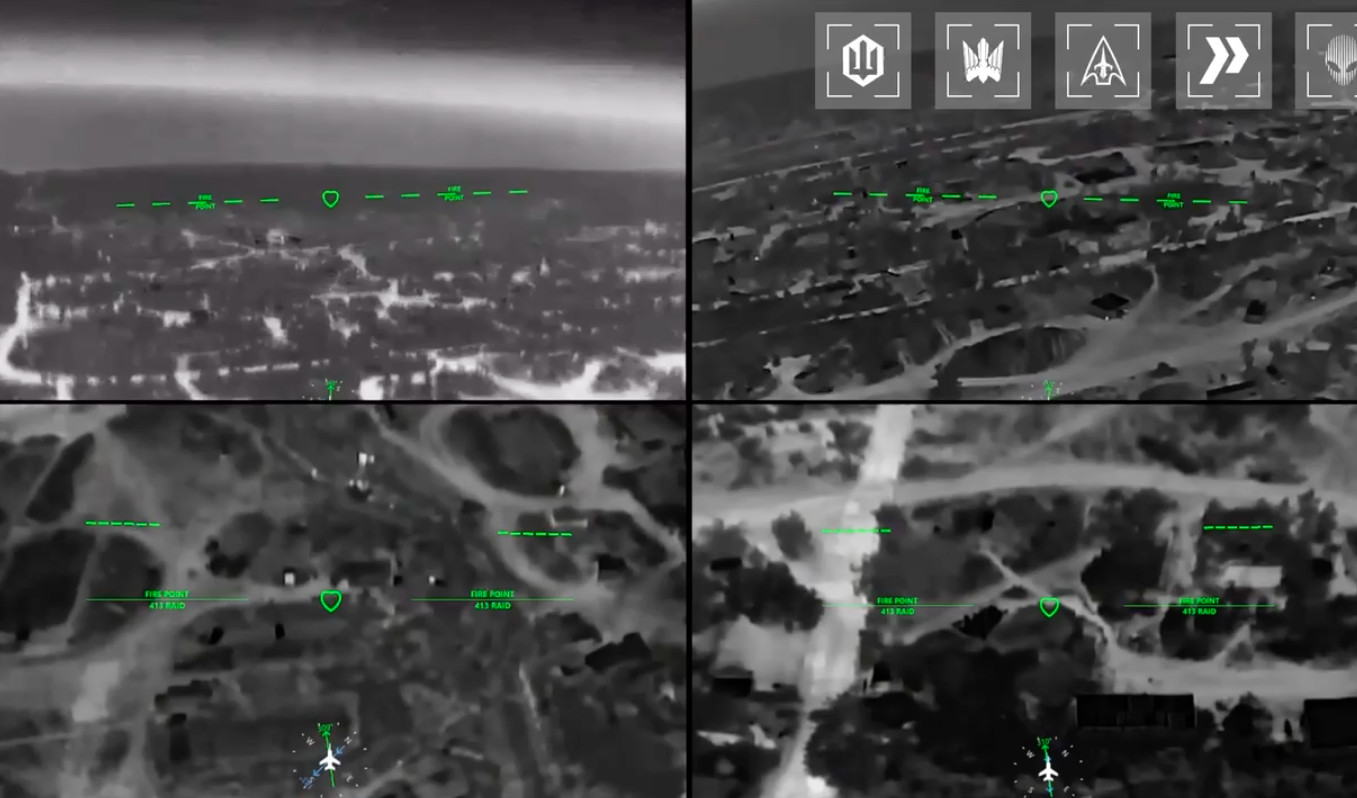
 Ukrainian Drones Target Russian Military Training Ground in Zaporizhzhia
Article Content

- •Ukrainian drones struck a Russian training ground, impacting three combat units.
- •The operation included the destruction of key air defense systems in the region.
- •Over 1,600 strikes were recorded by Ukrainian drone operators on June 12.
On June 12-13, 2026, Ukraine's Unmanned Systems Forces executed a drone strike on the Vostochny military training ground in Zaporizhzhia, targeting three Russian combat units. The operation resulted in significant damage to the 40th Naval Infantry Brigade, the 1461st Regiment of the 36th Army, and the 1466th Regiment of the 5th Army, all preparing for deployment against Ukrainian forces. The strike also included attacks on Russian air defense systems, with a Tor-M2 missile system and a ZU-23 anti-aircraft gun being neutralized. This operation is part of Ukraine's broader strategy to disrupt Russian logistics and military capabilities. Brovdi reported that Ukrainian drone operators conducted 1,645 strikes on June 12 alone, indicating a high operational tempo. The success of this operation reflects the increasing effectiveness of Ukraine's drone warfare capabilities.
Ask AI about this cluster
Answers cite the sources they use
Timeline
More articles in this cluster (2)
Following this threat?
Track 1461st Territorial Troops Regiment in your own feed — you're alerted when they show up in new reporting, leak sites or exploitation.
Free account · no card needed
Continue Reading
 Critical Zero-Day Vulnerability in Cisco Secure Email Gateway Exploited On September 14, 2026, Cisco disclosed a critical SQL injection vulnerability (CVE-2026-76461) in its Secure Email Gateway, allowing unauthenticated remote attackers to execute arbitrary commands with root privileges. This vulnerability arises from insufficient validation in the email parsing logic. Cisco confirmed…
  Critical WSO2 API Manager Vulnerability Under Active Exploitation A critical vulnerability (CVE-2026-5430) in WSO2 API Manager is being actively exploited, allowing unauthenticated attackers to forge admin tokens via JWT authentication bypass. This flaw, which has a CVSS score of 10.0, affects multiple WSO2 products including API Manager, Universal Gateway, Traffic Manager, and API…