 Nextgov
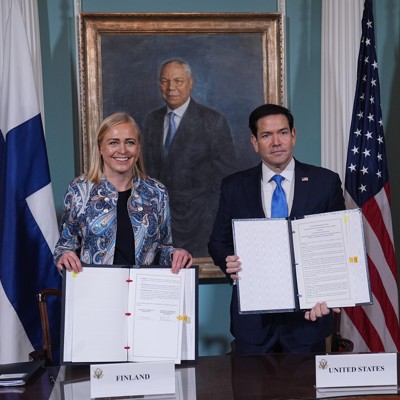
US and Finland Sign Technology Prosperity Deal
Article Content

- •The US and Finland signed a Technology Prosperity Deal on October 29, 2026.
- •Key areas of cooperation include AI, quantum technologies, and research security.
- •The agreement aims to enhance industrial security and promote trusted technology exports.
On October 29, 2026, the United States and Finland signed a Memorandum of Understanding to enhance collaboration in emerging technologies, including artificial intelligence and quantum technologies. The agreement aims to accelerate the development and adoption of these technologies, focusing on secure telecommunications and research security. Secretary of State Marco Rubio highlighted Finland's expertise in various fields, emphasizing the importance of this partnership. The deal includes provisions for promoting exports of trusted technology stacks and establishing a bilateral research security dialogue. Additionally, a Critical Minerals Framework was signed, addressing efforts related to semiconductors and energy infrastructure. The collaboration is expected to strengthen both nations' industrial security and technological competitiveness.
Ask AI about this cluster
Answers cite the sources they use
Timeline
More articles in this cluster (2)
Common questions
What technologies are included in the deal?
What is the significance of the Critical Minerals Framework?
How will this deal impact US-Finland relations?
Continue Reading
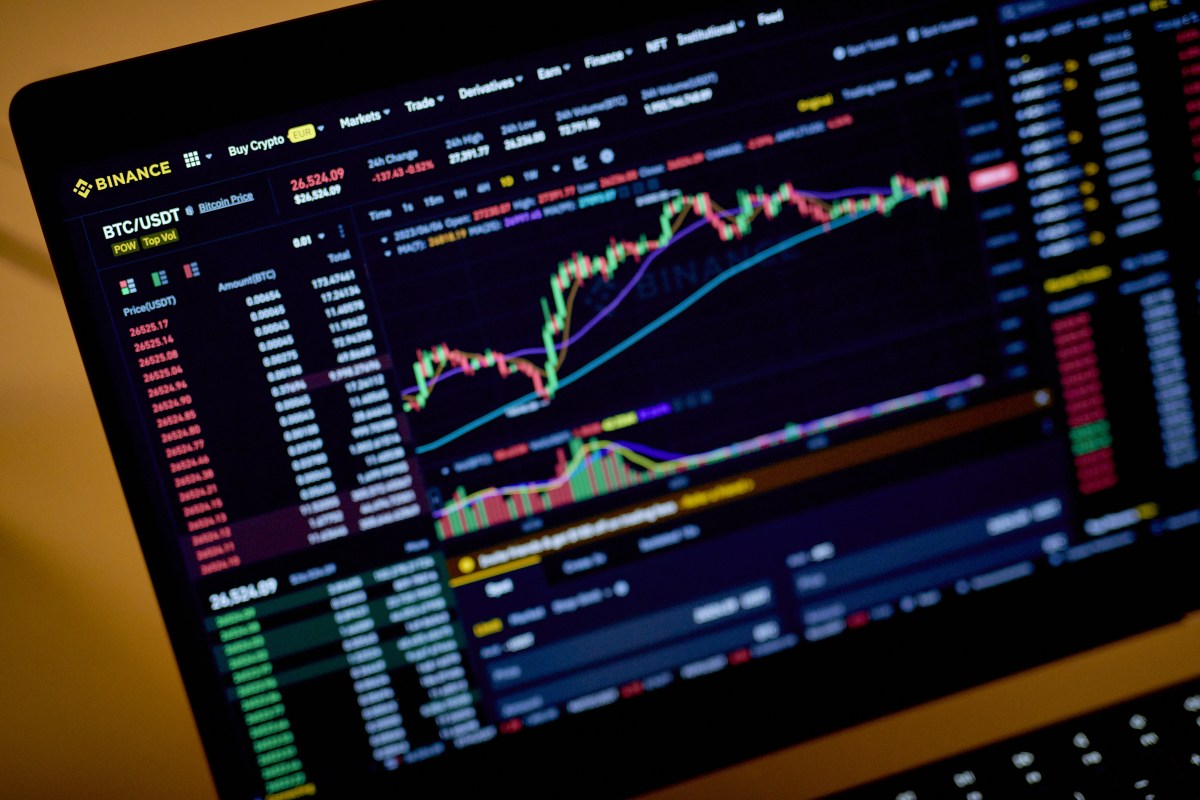 Binance Hack: $6.3 Billion Stolen in Largest Crypto Heist On October 29, 2026, Binance, the world's largest cryptocurrency exchange, reported a major security incident involving an estimated $6.3 billion in stolen funds. The attack was attributed to a compromised laptop belonging to a DevOps engineer, allowing unauthorized withdrawal transactions. Approximately $3 billion in…
 China-Linked Hackers Exploit PHP2Shell Vulnerabilities to Breach U.S. Government Systems On October 21, 2026, the PHP development team released patches for two critical vulnerabilities in PHP, known as PHP2Shell (CVE-2026-109618 and CVE-2026-109619), which allow unauthenticated remote code execution. These vulnerabilities were actively exploited by a suspected China-linked threat actor who compromised 25…