 Janes
US Army Contracts General Dynamics for Cyberwarfare Platform Development
Article Content

- •The US Army awarded General Dynamics a contract for RDEP-P 2.0 development.
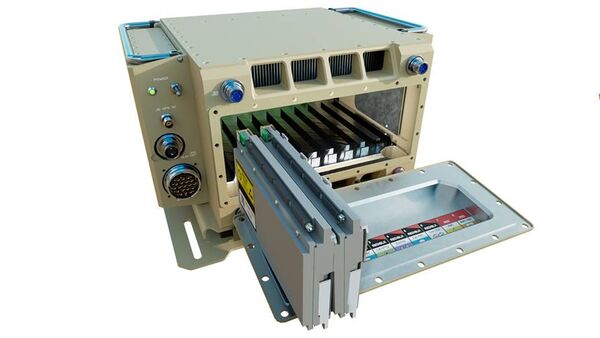
- •RDEP-P 2.0 will enhance cyberwarfare capabilities using the Rampart 10 chassis.
- •The contract includes a 12-month base period with options for additional support.
The US Army has awarded General Dynamics a contract to develop the Radio Delivery Effects Platform-Portable (RDEP-P) 2.0, enhancing its cyberwarfare capabilities. This contract, announced on October 26, 2026, follows a decision made in September 2026. The RDEP-P 2.0 will utilize the Rampart 10 chassis, designed for modular integration of cyber electromagnetic activities and electronic warfare missions. The contract includes prototype delivery, operator training, and lifecycle support, with a base period of 12 months and options for further production. The platform aims to provide a flexible foundation for rapid integration of new capabilities at the tactical edge, addressing evolving cyber and electronic warfare threats. This initiative highlights the Army's commitment to modernizing its cyber capabilities in response to increasing global cyber threats.
Ask AI about this cluster
Answers cite the sources they use
Timeline
More articles in this cluster (2)
Common questions
What is the RDEP-P 2.0?
What capabilities will RDEP-P 2.0 provide?
How long is the contract for?
Continue Reading
 China-Linked Hackers Exploit PHP2Shell Vulnerabilities to Breach U.S. Government Systems On October 21, 2026, the PHP development team released patches for two critical vulnerabilities in PHP, known as PHP2Shell (CVE-2026-109618 and CVE-2026-109619), which allow unauthenticated remote code execution. These vulnerabilities were actively exploited by a suspected China-linked threat actor who compromised 25…
 KeyDrift Malware Exploits Cisco SD-WAN Flaw CVE-2026-20127 Cisco Talos reported that the advanced persistent threat group UAT-11473 exploited a critical authentication bypass vulnerability (CVE-2026-20127) in Cisco SD-WAN Catalyst Controllers. This flaw, which has a CVSS score of 10.0, allows unauthorized remote access to administrative privileges. The group deployed a custom…