 www.scmp.com
US Defense Secretary Hegseth Addresses China's Military Buildup at Shangri-La Dialogue
Ask AI about this cluster
Analyzing cluster data...
Referenced clusters:
Something went wrong. Please try again.
Cluster AI
Ask questions about this threat cluster with AI-powered analysis.
Get Researcher $29.99/moArticle Content
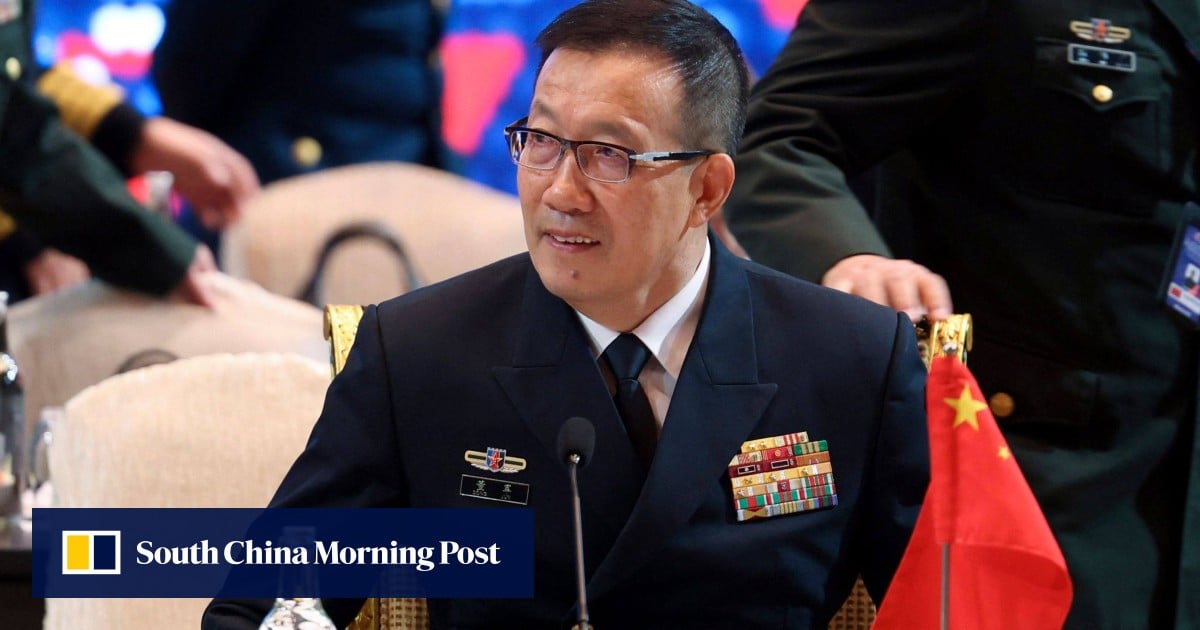
At the Shangri-La Dialogue in Singapore, US Defense Secretary Pete Hegseth urged Asian allies to increase military spending to counter China's significant military buildup. He emphasized the need for a self-reliant network of allies to maintain regional stability and prevent any state, particularly China, from dominating the Pacific. Hegseth noted that relations with China are better than in previous years, citing increased military communication. However, he expressed 'rightful alarm' over China's military activities and called for a favorable balance of power in the region. This year's dialogue was marked by the absence of Chinese Defense Minister Dong Jun, who skipped the event for the second consecutive year, sending a lower-level delegation instead. Hegseth's comments reflect ongoing geopolitical tensions and the US's commitment to its allies in the Indo-Pacific amidst concerns over China's assertiveness.
Key Points: • Hegseth called for increased military spending from Asian allies to counter China's rise. • The absence of China's defense minister at the summit indicates a shift in diplomatic engagement. • US-China relations are reportedly better, but concerns over military activities remain high.