 Atlanticcouncil
 US Engages in War Against Iran Amid Regional Tensions
Article Content

- •Operation Epic Fury represents the largest US military deployment in the region since 2003.
- •The conflict is viewed by Gulf officials as a necessary response to Iran's aggressive actions.
- •US policymakers must conduct thorough strategic risk assessments to avoid oversights.
The US has initiated Operation Epic Fury, a significant military campaign against Iran, marking the largest concentration of US military power in the region since 2003. This operation aims to eliminate Iran's regime and its capacity to threaten US interests, perceived by Iran as an existential threat. Gulf officials express frustration over the politicization of the war in the US, emphasizing that the conflict was inevitable due to Iran's long-standing aggressive actions. The war is characterized by proxy conflicts, cyberattacks, and military strikes, reflecting a shadow war that has persisted for years. Gulf states are concerned about the balance of power shifting in favor of Iran if the US withdraws prematurely. The situation remains fluid, with ongoing military actions and strategic assessments being critical for US policymakers.
Ask AI about this cluster
Answers cite the sources they use
Timeline
More articles in this cluster (2)
Continue Reading
 US Military Aircraft Losses in Iran War Reach 81, Costing Up to $3.3 Billion A recent Congressional Research Service report indicates that 81 U.S. military aircraft have been lost or damaged since the start of Operation Epic Fury against Iran on February 28, 2026. The losses include 45 MQ-9 Reaper drones, 12 F-15E Strike Eagles, and an F-35A fighter jet, with total damages estimated between…
 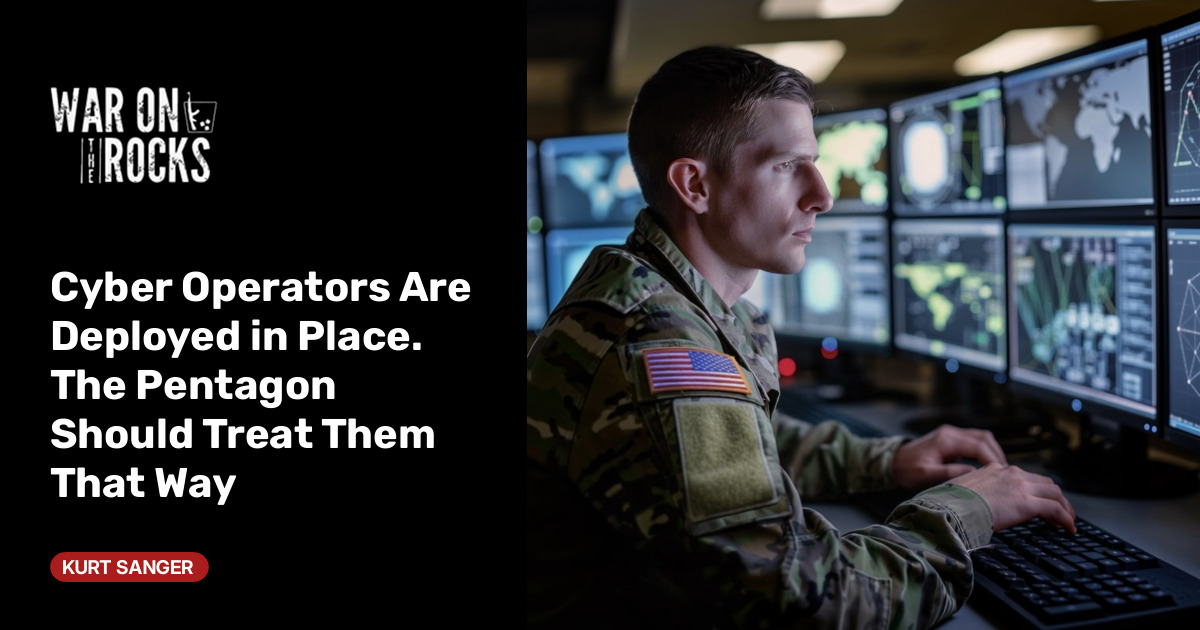 Pentagon Responds to Cyber Command Suicide Cluster with Urgent Actions Following reports of a suicide cluster among personnel at U.S. Cyber Command, the Pentagon issued a directive on August 31, 2026, mandating immediate actions to improve mental health support for operators. The directive, from Katherine Sutton, emphasized the need for proactive structures to safeguard personnel…