 fortune.com
 US Import Ban on Canadian Goods Escalates Trade Tensions
Article Content

- •The US banned nearly $1 billion in Canadian imports, escalating trade tensions.
- •This ban is a response to Canada's retaliatory tariffs against US goods.
- •The economic impact is expected to be minimal due to existing tariffs.
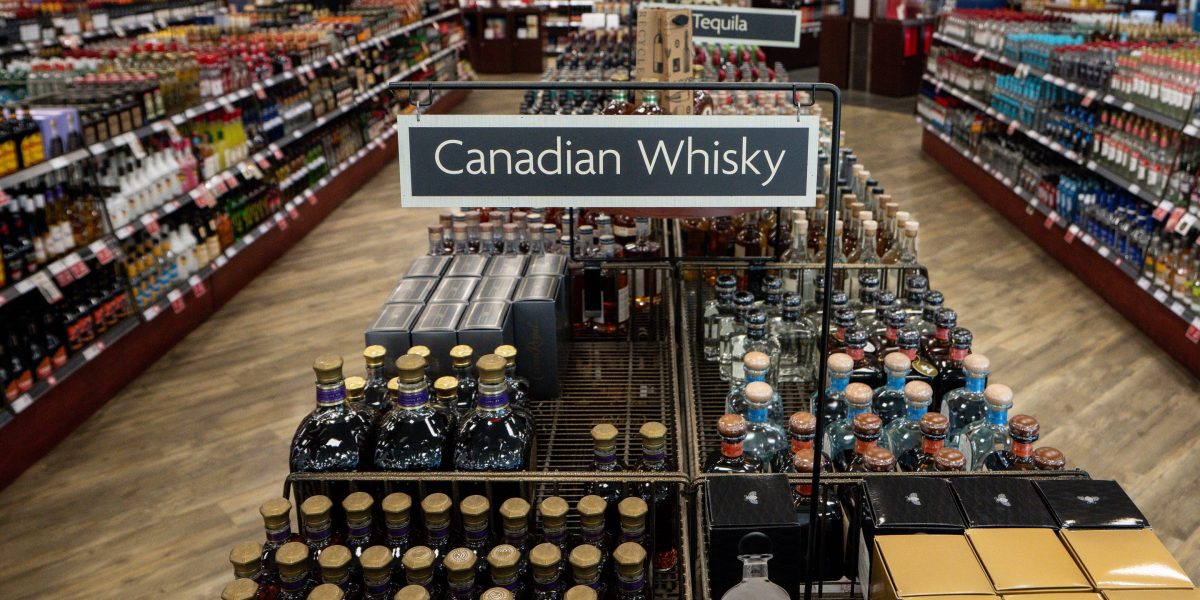
On September 29, 2026, the United States imposed a ban on nearly $1 billion worth of Canadian imports, including alcoholic beverages, dairy products, and motorcycles. This action is a response to Canada's retaliatory tariffs against US goods, which were implemented after President Donald Trump imposed 50% tariffs on $20 billion of Canadian imports earlier in the year. Trade attorney Patrick Childress noted that the ban is unlikely to significantly impact the $880 billion annual trade between the two countries. The ban follows a series of escalating trade disputes, with both nations imposing tariffs on each other's products. The economic ramifications are expected to be minimal, as many of the banned goods were already facing high tariffs. The situation reflects a broader deterioration in US-Canada relations, with potential implications for future trade agreements and geopolitical stability.
Ask AI about this cluster
Answers cite the sources they use
Timeline
More articles in this cluster (3)
Common questions
What products are banned?
How will this affect trade relations?
What was Canada's response?
Continue Reading
 Critical Citrix NetScaler Zero-Day Vulnerabilities Exploited Citrix disclosed two critical zero-day vulnerabilities, CVE-2026-88771 and CVE-2026-88772, affecting NetScaler ADC and Gateway systems, which are being actively exploited. Both vulnerabilities have a CVSS score of 9.5 and allow unauthenticated attackers to execute arbitrary commands remotely. CVE-2026-88771 arises…
  Critical Authentication Bypass in Cisco Catalyst SD-WAN Manager Exploited On September 30, 2026, Cisco disclosed a critical vulnerability (CVE-2026-76504) in the Catalyst SD-WAN Manager that allows unauthenticated remote attackers to bypass authentication and gain admin-level access to the system. This flaw stems from improper handling of URI encoding in HTTP requests, enabling attackers to…