US-Iran Tensions Escalate Following Helicopter Downing
Severity: High (Score: 71.0)
Sources: Bbc
Published: · Updated:
Keywords: strikes, iran, global, news, podcast, against, completed
Severity indicators: global
Summary
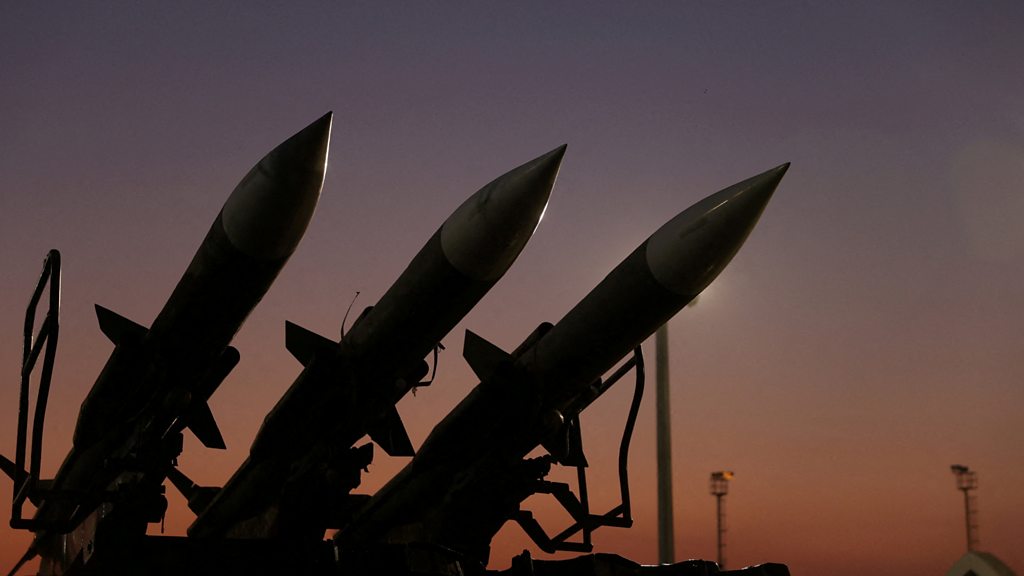
On June 10, 2026, the US confirmed a series of retaliatory strikes against Iran, targeting air defense systems, ground control stations, and radar sites after an American Apache helicopter was downed. The Iranian Revolutionary Guards responded with strikes on US bases located in Bahrain, Jordan, and Kuwait. This escalation threatens the fragile ceasefire between the two nations. The situation is compounded by France's decision to ban Israel's finance minister for advocating the annexation of Palestinian territories. Additionally, anti-immigration violence erupted in Northern Ireland following a murder charge against a Sudanese man. The ongoing conflict has significant implications for regional stability and international relations. Key Points: • The US conducted strikes on Iranian military infrastructure following the downing of a helicopter. • Iran retaliated by targeting US bases in Bahrain, Jordan, and Kuwait. • The situation risks destabilizing the already fragile ceasefire between the US and Iran.
Detailed Analysis
**Impact** The downing of a US Apache helicopter has escalated military tensions between the US and Iran, resulting in US strikes targeting Iranian air defence systems, ground control stations, and radar sites. Iran retaliated with missile strikes on US bases located in Bahrain, Jordan, and Kuwait. This exchange affects military operations and regional stability across the Middle East, particularly impacting US and allied forces stationed in these countries. No civilian casualties or data breaches were reported in the available information. **Technical Details** The conflict involved kinetic military strikes targeting physical infrastructure such as air defence systems and radar installations. No cyberattack vectors, malware, or exploitation of software vulnerabilities (CVEs) were mentioned. The Iranian Revolutionary Guards used missile strikes as a countermeasure against US bases. No indicators of compromise (IOCs) or digital attack infrastructure details are provided. **Recommended Response** Defenders should increase monitoring of military and critical infrastructure networks in the Middle East for potential escalation or cyber follow-on attacks. Physical security and threat detection at US and allied bases in Bahrain, Jordan, and Kuwait should be heightened. No specific patches or cyber defense configurations are indicated based on the current information. Continued intelligence gathering and situational awareness of both kinetic and cyber threats in the region are advised.
Source articles (2)
- BBC World Service - Global News Podcast, US retaliatory strikes against Iran — Bbc · 2026-06-10
The fragile ceasefire hangs in the balance after the US and Iran fire at one another following the downing of an American Apache helicopter. The US has said that it's completed a series of strikes aga… - BBC Audio | Global News Podcast — Bbc · 2026-06-10
The US has said that it's completed a series of strikes against Iran which targeted air defence systems, ground control stations and radar sites following the downing of an American helicopter. The Ir…
Timeline
- 2026-06-10 — US conducts strikes against Iran: The US targeted Iranian air defense systems and radar sites in retaliation for the downing of an Apache helicopter.
- 2026-06-10 — Iran retaliates with strikes on US bases: Iranian Revolutionary Guards launched strikes on US military bases in Bahrain, Jordan, and Kuwait.
- 2026-06-10 — France bans Israeli finance minister: France announced a ban on Bezalel Smotrich due to his promotion of Palestinian territory annexation.
- 2026-06-10 — Violence in Northern Ireland: Anti-immigration violence erupted after a Sudanese man was charged with attempted murder.