 Koreatimes.Co.Kr
 U.S. Military Bases Targeted Amid Iranian Drone Threats
Article Content

- •The U.S. evacuated B-1 bombers from the UK due to Iranian drone threats.
- •Iran has been targeting U.S. bases in the Middle East, notably Bahrain.
- •The Pentagon's global military installations are increasingly seen as vulnerable.
The U.S. has withdrawn 12 B-1 bombers from RAF Fairford in the UK due to warnings of a potential Iranian drone attack. This decision follows a series of Iranian strikes on U.S. military bases in the Middle East, particularly affecting the Navy's Fifth Fleet in Bahrain. The Pentagon's installations, numbering around 750 globally, are increasingly viewed as vulnerable, especially after Ukraine's Operation Spiderweb demonstrated the effectiveness of drone strikes against distant targets. The U.S. military's inability to protect these bases has raised alarms, with calls for improved intelligence sharing and base protection strategies. The situation reflects a significant shift in the threat landscape, necessitating a reevaluation of U.S. military presence and defense mechanisms in volatile regions.
Ask AI about this cluster
Answers cite the sources they use
Timeline
More articles in this cluster (5)
Common questions
What specific bases are at risk?
How is the U.S. responding to these threats?
What lessons can be learned from Ukraine's Operation Spiderweb?
Continue Reading
 US Military Aircraft Losses in Iran War Reach 81, Costing Up to $3.3 Billion A recent Congressional Research Service report indicates that 81 U.S. military aircraft have been lost or damaged since the start of Operation Epic Fury against Iran on February 28, 2026. The losses include 45 MQ-9 Reaper drones, 12 F-15E Strike Eagles, and an F-35A fighter jet, with total damages estimated between…
 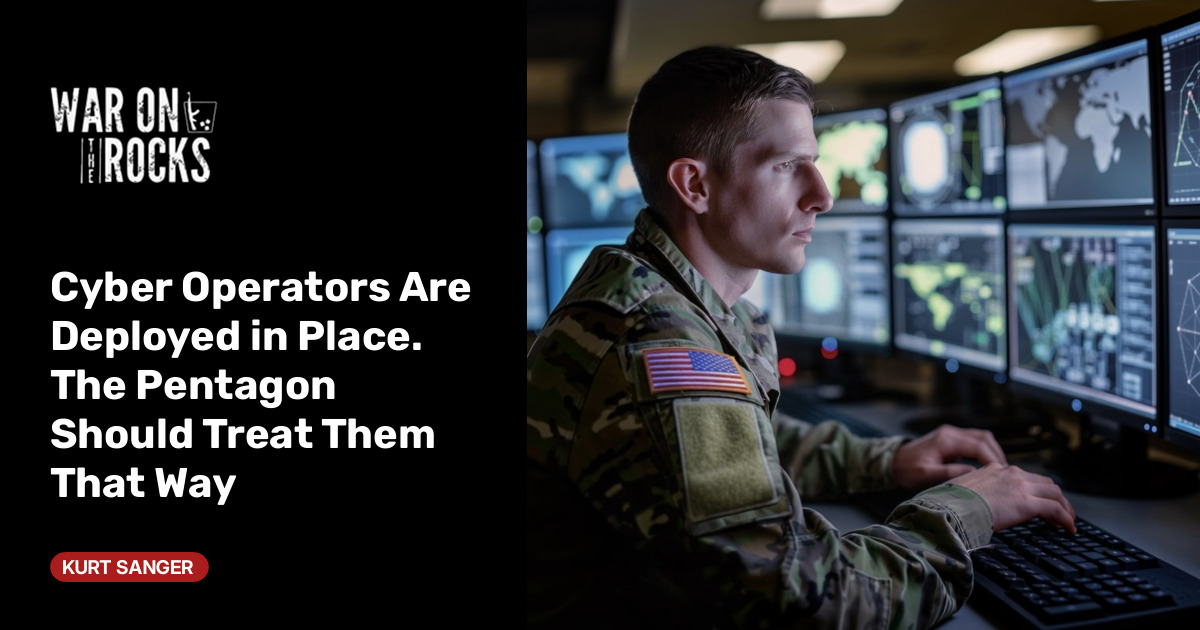 Pentagon Responds to Cyber Command Suicide Cluster with Urgent Actions Following reports of a suicide cluster among personnel at U.S. Cyber Command, the Pentagon issued a directive on August 31, 2026, mandating immediate actions to improve mental health support for operators. The directive, from Katherine Sutton, emphasized the need for proactive structures to safeguard personnel…