 Pravda.Ua
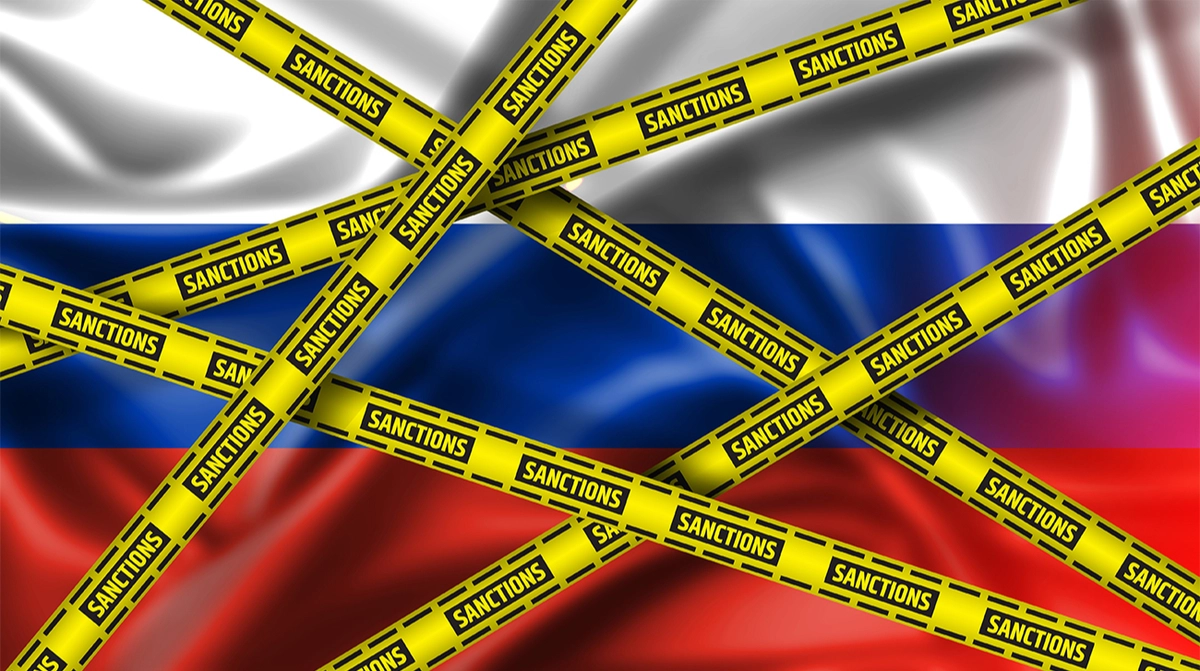
 US Sanctions and Energy Market Dominance: Russia's Response
Article Content

- •Russia claims the US is using extreme measures to dominate global energy markets.
- •US sanctions on Russian oil companies are seen as a critical geopolitical maneuver.
- •Finnish President warns that easing sanctions would support Russia's military actions.
Russian Foreign Minister Sergey Lavrov accused the US of pushing Russia out of global energy markets, citing military operations in Venezuela and Iran as evidence of America's oil-driven motives. He claimed that the US is prepared to use extreme measures, including coups and assassinations, to secure energy dominance. Lavrov criticized the US for imposing sanctions on Russian oil companies Lukoil and Rosneft, attributing these actions to both the Trump and Biden administrations. Meanwhile, Finnish President Alexander Stubb condemned any easing of US sanctions on Russian oil, stating it harms Ukraine and supports Russia's military efforts. He emphasized the need for continued sanctions to pressure Russia. The situation reflects a significant geopolitical struggle over energy resources and international relations, with potential long-term repercussions for global stability.
Ask AI about this cluster
Answers cite the sources they use
Timeline
More articles in this cluster (2)
Following this threat?
Track Lukoil in your own feed — you're alerted when they show up in new reporting, leak sites or exploitation.
Free account · no card needed
Continue Reading
 Critical Cisco FMC Vulnerabilities Under Active Exploitation Cisco's Secure Firewall Management Center (FMC) Software has two critical vulnerabilities, CVE-2026-20079 and CVE-2026-20316, that are currently being exploited by state-sponsored and ransomware actors. CVE-2026-20079, rated 10.0 on the CVSS scale, allows unauthenticated remote attackers to bypass authentication and…
  Critical GitLab Vulnerabilities Exploited Within Hours of Disclosure On September 10, 2026, GitLab released patches for critical vulnerabilities CVE-2026-85706 and CVE-2026-87719. CVE-2026-85706, a path traversal flaw, allows unauthenticated users to read arbitrary files from GitLab servers, while CVE-2026-87719 enables credential theft via insecure deserialization. Both…