 Smh.Au
 US Sanctions Chinese Businessman Zhao Fugang Over Corruption in Fiji
Article Content

- •Zhao Fugang sanctioned by the US for corruption linked to Chinese interests.
- •Allegations include bribery and organized crime affecting Fiji's security.
- •Zhao and his family are now barred from entering the United States.
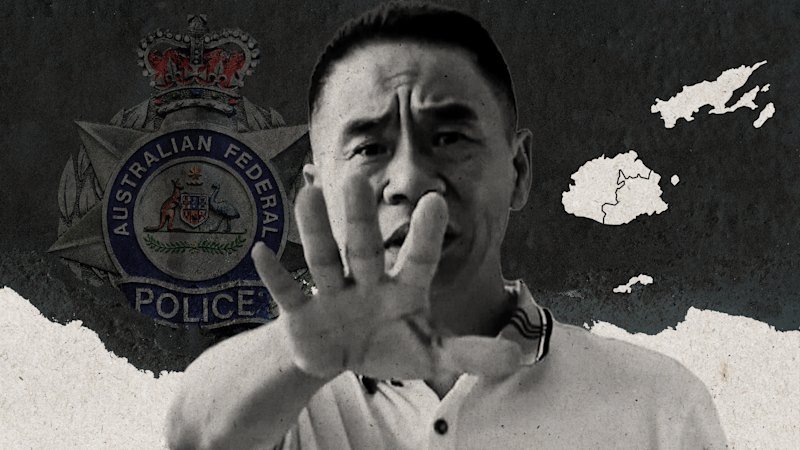
The US government has sanctioned Zhao Fugang, a Chinese-Fijian businessman, for significant corruption linked to the Chinese government. Zhao is accused of leading an organized crime syndicate that undermines Australian security interests by paying bribes to Fijian citizens. The US State Department's designation means Zhao and his family are now ineligible for entry into the United States. This action follows years of investigation by Western intelligence agencies, including the Australian Federal Police, which identified Zhao as a key figure in a network influencing Fiji's political landscape. Zhao has denied the allegations, and his lawyers claim they were unaware of the investigation. The US Embassy in Suva highlighted the trend of criminal activities in the Pacific linked to China, emphasizing concerns over foreign influence in the region. The geopolitical implications of this sanction reflect ongoing tensions between the US, Australia, and China in the South Pacific.
Ask AI about this cluster
Answers cite the sources they use
Timeline
More articles in this cluster (6)
Common questions
What are the allegations against Zhao Fugang?
What does the sanction mean for Zhao?
How has the Fijian government responded?
Continue Reading
 CISA Mandates Urgent Patching of Five Critical Flaws Exploited by Flax Typhoon The U.S. Cybersecurity and Infrastructure Security Agency (CISA) has ordered federal agencies to patch five critical vulnerabilities by October 11, 2026, following exploitation by the China-linked hacking group Flax Typhoon. The vulnerabilities, added to CISA's Known Exploited Vulnerabilities (KEV) catalog, include…
  Critical Zero-Day Exploit Found in BeyondTrust Remote Support BeyondTrust disclosed a critical vulnerability, CVE-2026-102764, in its Remote Support product, exploited by the suspected China-linked group ARMORY CASTLE since August 2026. This flaw, with a CVSS score of 9.3, allows attackers to perform arbitrary file uploads and gain host-level control without requiring…