 English.Globalarabnetwork
 US Sanctions Iran's Digital Funding Networks for Terror Financing
Article Content

- •US sanctions target Iran's BitBank for funding IRGC activities.
- •Hundreds of millions in Bitcoin allegedly funneled to support terrorism.
- •Sanctions freeze assets and warn digital exchanges against facilitating illicit transactions.
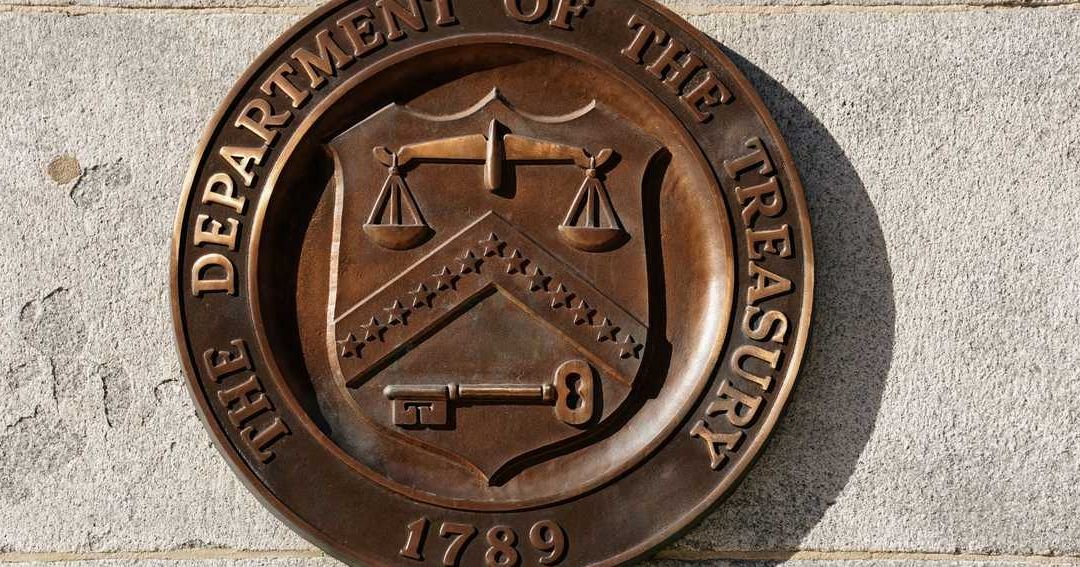
The US Treasury has imposed sanctions on an Iranian digital asset platform, BitBank, and its associated individuals and firms for allegedly facilitating the transfer of hundreds of millions of dollars in Bitcoin to fund the Islamic Revolutionary Guard Corps (IRGC). These sanctions are part of a broader initiative to disrupt Iran's financial networks that exploit digital currencies to bypass international sanctions. The Treasury's actions aim to freeze all assets under US jurisdiction linked to these entities and serve as a warning to other digital exchanges. This move highlights the growing intersection of cryptocurrency and state-sponsored illicit financing, as the IRGC seeks alternative funding mechanisms amid economic isolation. The sanctions are part of the US's ongoing campaign to limit the IRGC's financial capabilities and maintain international financial integrity.
Ask AI about this cluster
Answers cite the sources they use
Timeline
More articles in this cluster (2)
Following this threat?
Track BitBank in your own feed — you're alerted when they show up in new reporting, leak sites or exploitation.
Free account · no card needed
Continue Reading
 Critical Zero-Day Vulnerability in Cisco Secure Email Gateway Exploited On September 14, 2026, Cisco disclosed a critical SQL injection vulnerability (CVE-2026-76461) in its Secure Email Gateway, allowing unauthenticated remote attackers to execute arbitrary commands with root privileges. This vulnerability arises from insufficient validation in the email parsing logic. Cisco confirmed…
  Critical WSO2 API Manager Vulnerability Under Active Exploitation A critical vulnerability (CVE-2026-5430) in WSO2 API Manager is being actively exploited, allowing unauthenticated attackers to forge admin tokens via JWT authentication bypass. This flaw, which has a CVSS score of 10.0, affects multiple WSO2 products including API Manager, Universal Gateway, Traffic Manager, and API…