 tirto.id
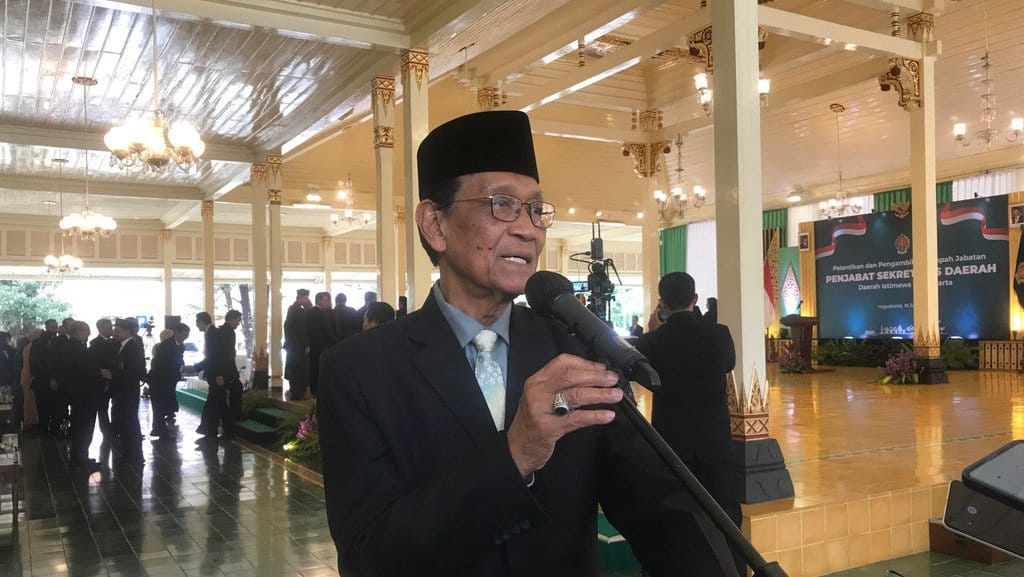
 AI-Generated Deepfake Video Impersonates Sri Sultan HB X for Scam
Article Content

- •A deepfake video impersonating Sri Sultan HB X is being used for a payment scam.
- •The video was circulated privately via WhatsApp, not on public social media platforms.
- •Local authorities emphasize the importance of digital literacy to combat AI misuse.
A deepfake video impersonating Sri Sultan Hamengku Buwono X of Yogyakarta has surfaced, prompting the local government to issue a warning. The video, disseminated via WhatsApp, falsely portrays the Sultan instructing viewers to make payments for goods before delivery, a clear scam tactic. The first detection of this AI-manipulated content came from GKR Condrokirono, the Sultan's daughter, who received the video from a colleague. The local government, through Ditya Nanaryo Aji of Diskominfo DIY, confirmed the video is entirely fabricated and not produced by any official channels. Authorities are prioritizing public education on digital literacy and the risks of AI misuse rather than pursuing legal action. The incident highlights the growing threat of AI-generated content in scams targeting public figures. As of now, there are no confirmed victims of this scam.
Ask AI about this cluster
Answers cite the sources they use
Timeline
More articles in this cluster (4)
Continue Reading
 PHP2Shell Vulnerabilities Exploited by AI-Driven Attackers Threat actors have exploited PHP2Shell vulnerabilities (CVE-2026-109618 and CVE-2026-109619) to target a government entity in Europe, gaining access to sensitive data within two hours of the initial breach. The attackers utilized AI tools for reconnaissance and post-exploitation activities, including accessing…