 Securityaffairs.Co
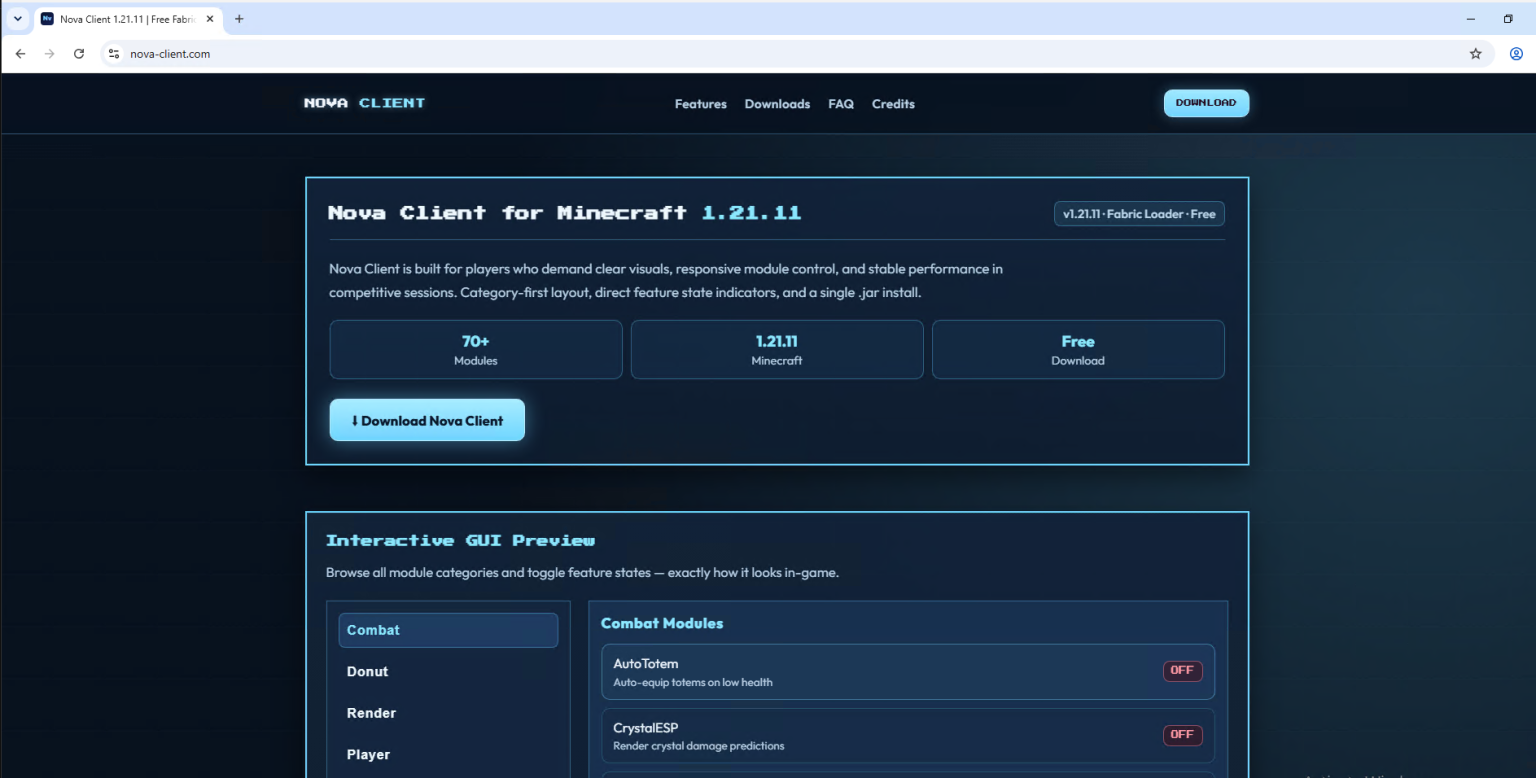
 WeedHack Malware Campaign Targets Minecraft Players via Fake Clients
Article Content

- •WeedHack malware has infected over 116,464 Minecraft players.
- •Attackers have shifted to file-hosting services for malware distribution.
- •SEO poisoning tactics are placing malicious sites at the top of search results.
The WeedHack malware campaign continues to target Minecraft players, infecting over 116,464 users despite the takedown of its command-and-control infrastructure in July 2026. McAfee Labs reported blocking over 6,300 attempts to access malicious sites linked to WeedHack in the past month. Attackers are now utilizing file-hosting services like Discord and MediaFire to distribute the malware, which spreads through SEO poisoning and fake Minecraft client sites. Researchers identified multiple active malicious sites and noted that SEO tactics have placed these sites at the top of Google search results. Gamers are advised to download files only from trusted sources and to be cautious of offers for free or cracked software. The ongoing nature of this campaign suggests a significant threat to the gaming community.
Ask AI about this cluster
Answers cite the sources they use
Timeline
More articles in this cluster (10)
Following this threat?
Track WeedHack in your own feed — you're alerted when they show up in new reporting, leak sites or exploitation.
Free account · no card needed
Continue Reading
 CVE-2015-3306 Exploited in ProFTPD FTP Servers CVE-2015-3306, a vulnerability in ProFTPD 1.3.5, allows remote attackers to read and write arbitrary files using the SITE CPFR and SITE CPTO commands. This exploit can lead to unauthorized access and potential remote code execution, as the commands are executed with the privileges of the ProFTPD service. Active…
  CISA Mandates Urgent Patching of Five Critical Flaws Exploited by Flax Typhoon The U.S. Cybersecurity and Infrastructure Security Agency (CISA) has ordered federal agencies to patch five critical vulnerabilities by October 11, 2026, following exploitation by the China-linked hacking group Flax Typhoon. The vulnerabilities, added to CISA's Known Exploited Vulnerabilities (KEV) catalog, include…