 Kyivpost
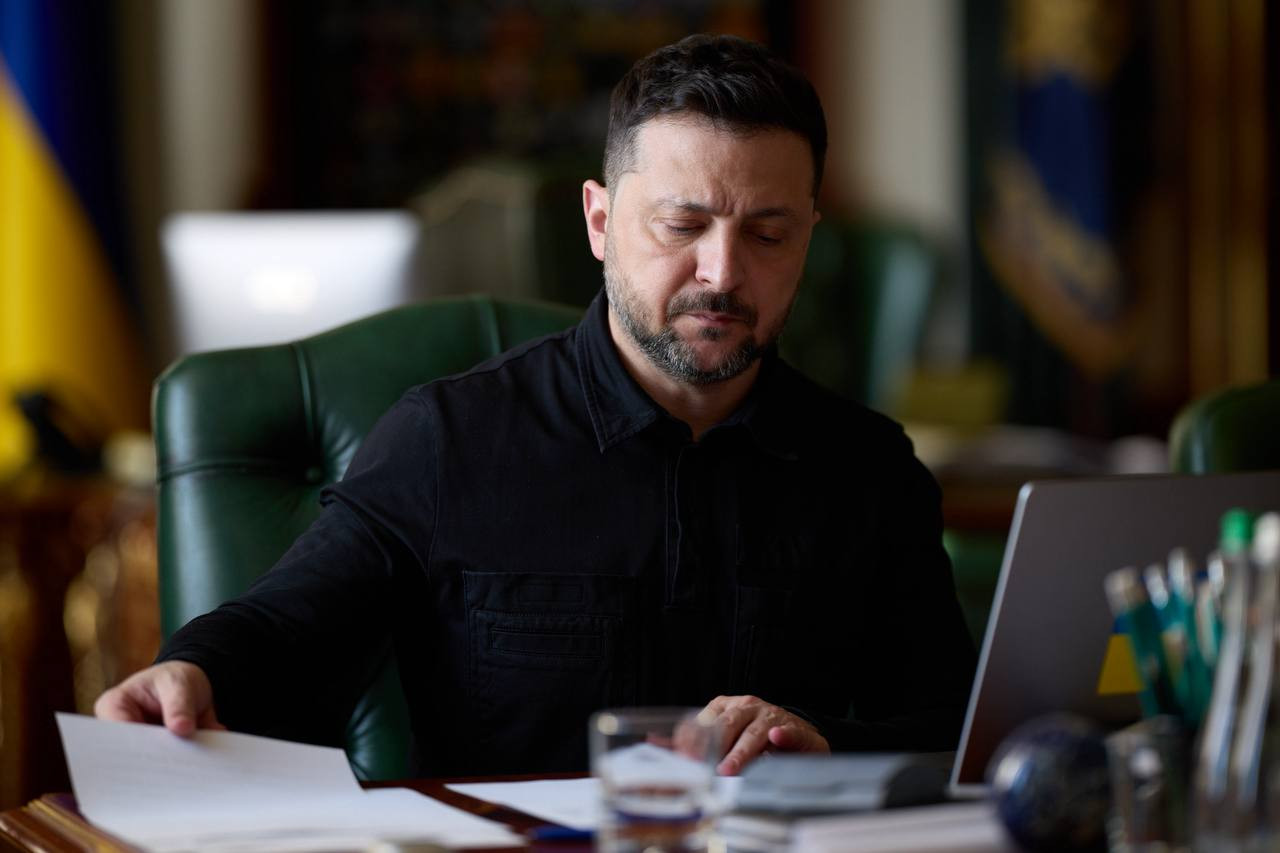
 Zelensky Enacts Sanctions Against Russian Entities Linked to Journalist's Death
Article Content

- •Zelensky imposed sanctions on 29 Russian individuals and entities linked to journalist Viktoriia Roshchyna's death.
- •New sanctions target Russian mobile operators and internet providers aiding in the spread of disinformation.
- •Ukraine is coordinating with international partners to synchronize sanctions against Russian entities.
On June 12, 2026, President Volodymyr Zelensky enacted sanctions against Russian individuals and entities, including a judge linked to the death of Ukrainian journalist Viktoriia Roshchyna. Roshchyna died in Russian captivity after being tortured, and her case has drawn international attention. The sanctions target 29 individuals and several Russian media organizations, aiming to hold accountable those involved in the persecution of Ukrainian citizens. Additionally, on June 13, sanctions were imposed on 10 Russian mobile operators and internet service providers that support Russian propaganda efforts. The Ukrainian government is coordinating with international partners to synchronize these sanctions. The actions reflect Ukraine's ongoing efforts to combat Russian disinformation and protect its citizens. The sanctions package was proposed by the Security Service of Ukraine and approved by the National Security and Defense Council.
Ask AI about this cluster
Answers cite the sources they use
Timeline
More articles in this cluster (10)
Following this threat?
Track Amtel-Svyaz in your own feed — you're alerted when they show up in new reporting, leak sites or exploitation.
Free account · no card needed
Continue Reading
 Critical WSO2 API Manager Vulnerability Under Active Exploitation A critical vulnerability (CVE-2026-5430) in WSO2 API Manager is being actively exploited, allowing unauthenticated attackers to forge admin tokens via JWT authentication bypass. This flaw, which has a CVSS score of 10.0, affects multiple WSO2 products including API Manager, Universal Gateway, Traffic Manager, and API…
  Critical Linux Kernel Vulnerability CVE-2025-39682 Under Active Exploitation A critical vulnerability (CVE-2025-39682) in the Linux kernel allows remote code execution through mishandling of zero-length TLS records. This flaw affects kTLS-enabled hosts running vulnerable kernel versions, exposing them to attackers without authentication. CISA added this vulnerability to its Known Exploited…