ScreenConnect is a tool tracked across 36 threat clusters and 69 intelligence report mentions on ThreatCluster. First observed November 3, 2025; most recent activity July 22, 2026.
In early 2026, the Iranian APT group MuddyWater launched cyberattacks against U.S. banking, a major airport, and Israeli operations of a U.S.-based software company. The attacks intensified in March, coinciding with…
In 2026, Iranian APT groups, notably Cavern Manticore and OilRig, have intensified cyber operations against Israeli organizations, primarily in the IT and government sectors. Cavern Manticore employs a modular…
ConnectWise has released a patch for its ScreenConnect remote support tool to address a critical vulnerability, tracked as CVE-2026-3564, that could allow unauthorized access and privilege escalation. This flaw affects…
Microsoft's Threat Intelligence unit has issued a warning about a cyber campaign targeting cryptocurrency investors and software developers through compromised npm packages. The malware, embedded in two specific…
In June 2026, a surge in attacks targeting SonicWall Gen 7 firewalls has been reported, exploiting CVE-2024-40766, an improper access control flaw. This vulnerability allows threat actors to gain unauthorized access,…
A multi-stage cyber attack targeted IIS servers, beginning with enumeration commands and escalating to credential extraction using Mimikatz. The attackers uploaded a steganographic webshell and executed a…
ConnectWise ScreenConnect has been compromised by two critical vulnerabilities, CVE-2024-1708 and CVE-2024-1709, which allow attackers to bypass authentication and execute remote code. The vulnerabilities were disclosed…
A new malware campaign involving the CloudZ remote access trojan (RAT) and its Pheno plugin is targeting Microsoft’s Phone Link feature to intercept SMS-based one-time passwords (OTPs) and other sensitive data from…

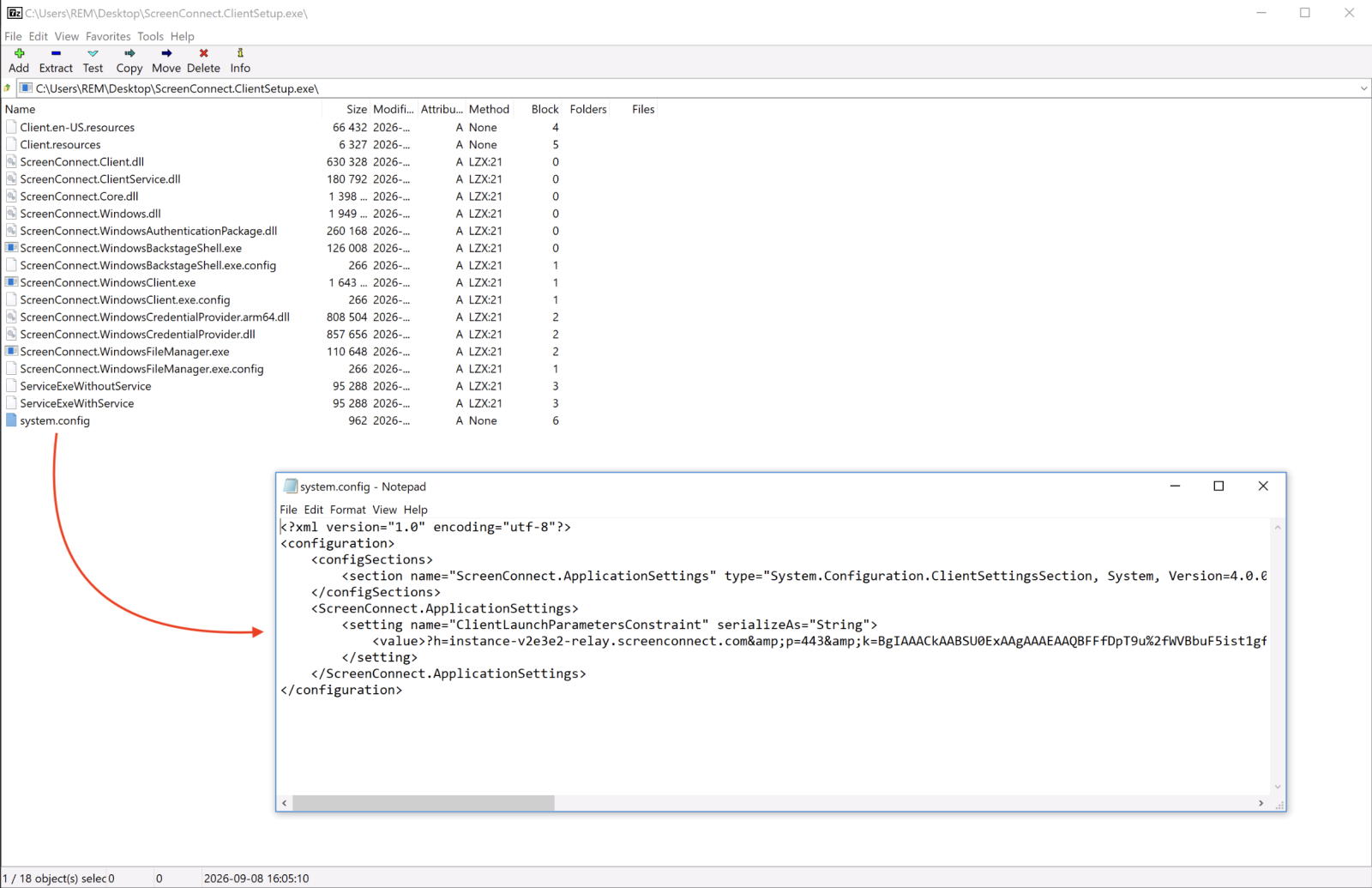
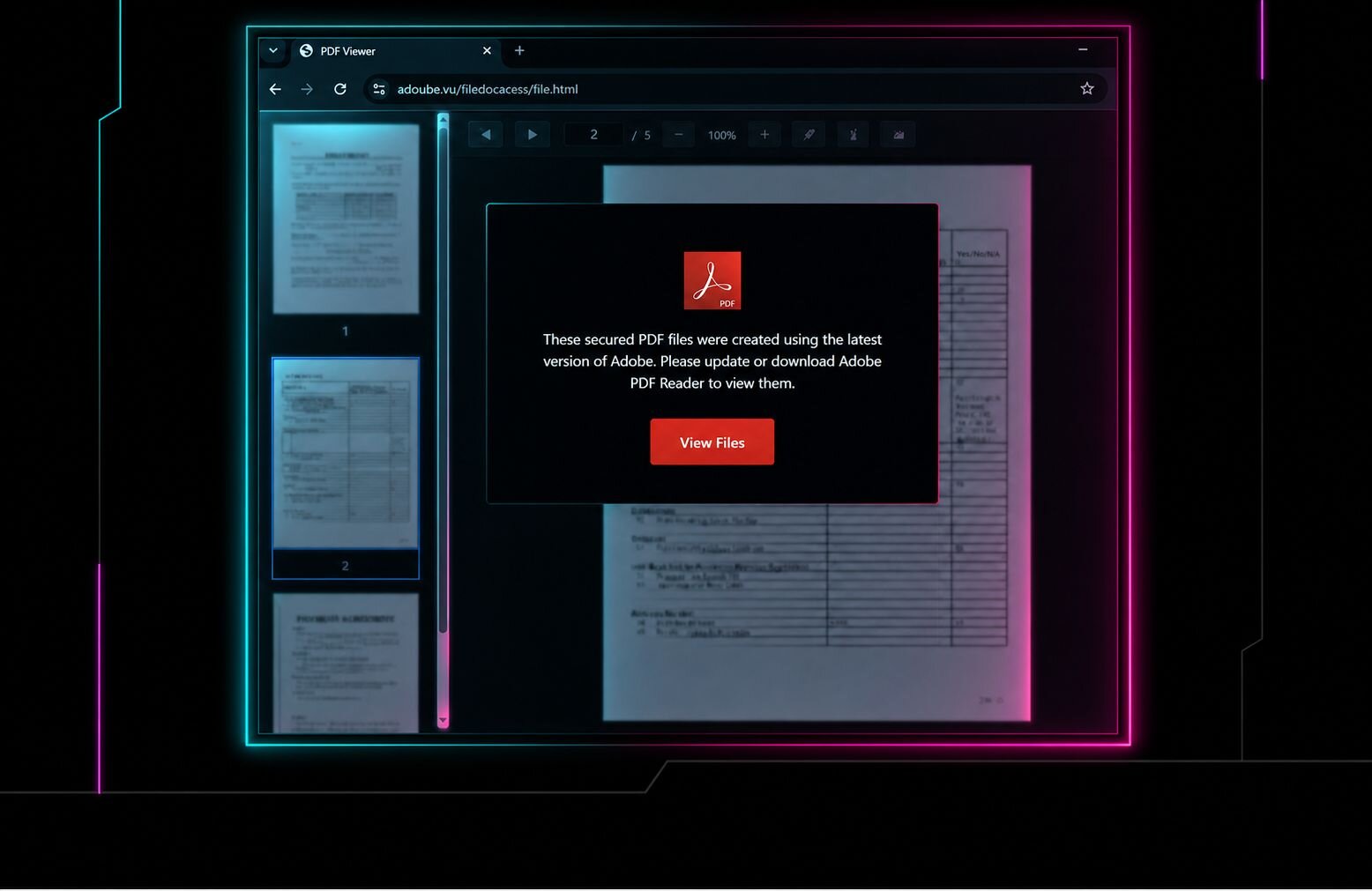
A significant cybersecurity campaign has emerged, exploiting the legitimate remote access tool ScreenConnect to deploy AsyncRAT malware. Attackers utilized spoofed websites and typosquatted domains, masquerading as…
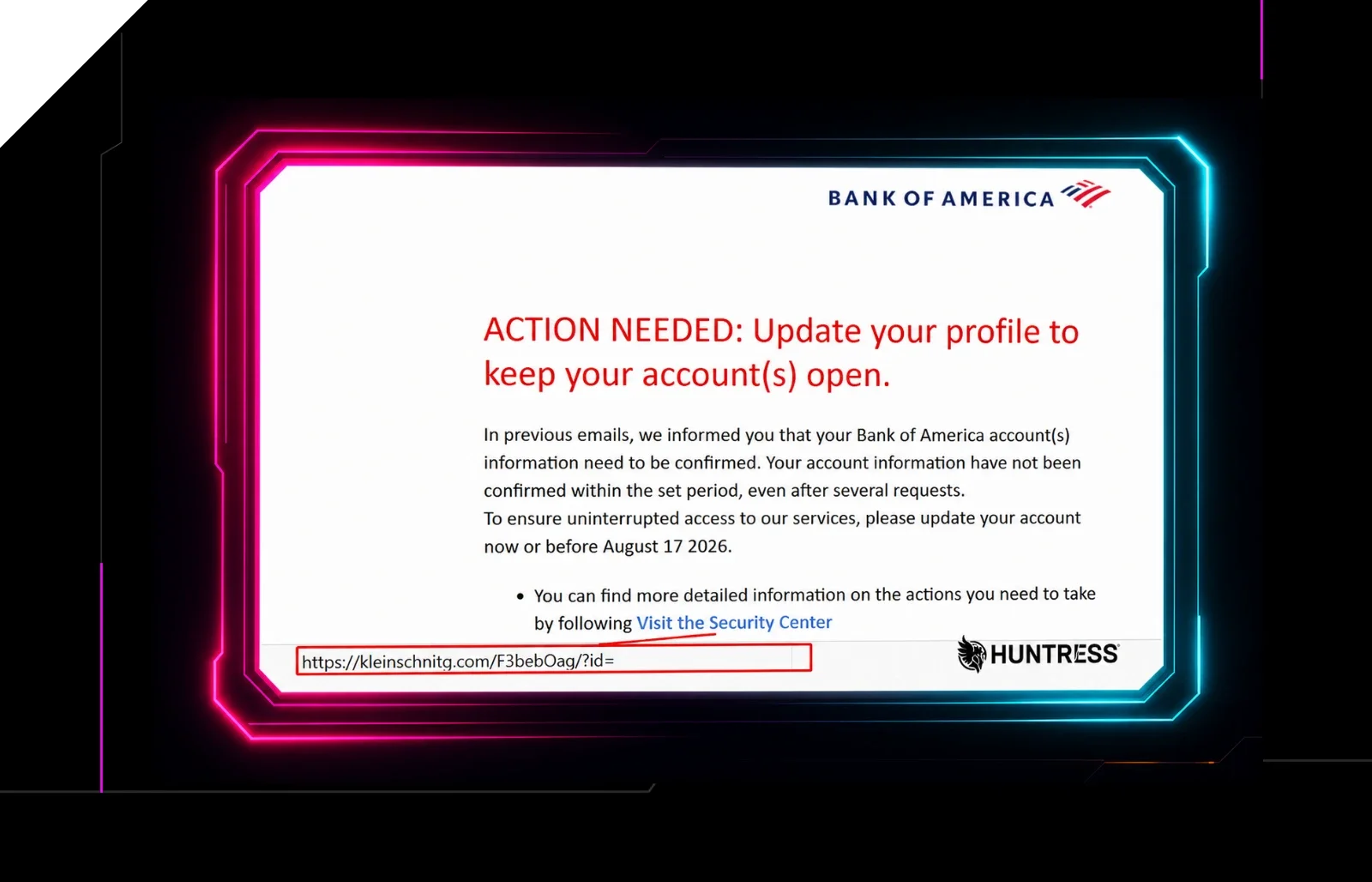
A phishing campaign known as VENOMOUS#HELPER has affected over 80 organizations, primarily in the US, Western Europe, and Latin America. Attackers are utilizing legitimate remote monitoring and management (RMM) tools,…