As of July 28, 2023, Congress allowed the statutory authority for the Chemical Facility Anti-Terrorism Standards (CFATS) program (6 CFR Part 27) to expire. Therefore, CISA cannot enforce compliance with the CFATS regulations at this time.
The lapse of CFATS authorization means that CISA cannot require facilities to report their chemicals of interest or submit any information in CSAT, perform inspections, or provide CFATS compliance assistance, amongst other activities. CISA can no longer require facilities to implement their CFATS Site Security Plan or CFATS Alternative Security Program.
CISA encourages facilities to maintain security measures. CISA’s voluntary ChemLock resources are available on the ChemLock webpages .
If CFATS is reauthorized, CISA will follow up with facilities in the future. To reach us, please [email protected] .
Impacts to our nation’s chemical security, the 3,200 facilities previously designated as high-risk, and the communities surrounding these locations—including the 7,000 schools, colleges, and universities located within a mile of these chemical facilities—as a result of the lapse include:
CISA cannot inspect high-risk sites—on average, that's 160 inspections per month going unscheduled.
CISA cannot conduct terrorist vetting on personnel who have access to dangerous chemicals—that's 9,000 names each month going unvetted.
CISA cannot require the implementation of cyber and physical security measures or assess the risk to these facilities and the communities that surround them—on average, facilities improve their security posture by nearly 60% to comply with CFATS.
CISA cannot identify new facilities that possess high-risk chemicals—meaning the locations of dangerous chemicals are unknown to CISA and local first responders.
More than one third of inspections turn up security gaps—CISA can no longer address these gaps with facilities.
More than 90% of CFATS visits result in confirmed outreach with law enforcement and the local fire department—CISA can no longer confirm these important relationships and ensure critical information sharing and preparedness.
Bottom line: CISA cannot ensure that chemical facilities are mitigating the terrorist exploitation of chemical holdings. Without CFATS, our tools to lessen the risk of such an attack are now limited. With the expiration of CFATS authorities, we have lost vital safeguards that were created to protect Americans from incidents of chemical terrorism.
89 Million People Within Two Miles
More than 89 million people in the United States live or work within two miles of a high-risk chemical facility. The lapse in CFATS authorization has left our nation and communities more vulnerable.
Communities across our nation are at greater risk of chemical terrorism until Congress reauthorizes this bipartisan and critical program. We must ensure that chemicals don’t become weaponized by those who wish to do Americans harm.
Every Day Without CFATS Program Is Too Long
We cannot sound the alarm loudly enough: Every day the #CFATS program is offline is too long. Today, U.S. communities are facing increased risk–and will continue to until Congress takes action. CISA urges Congress to #ReauthorizeCFATS.
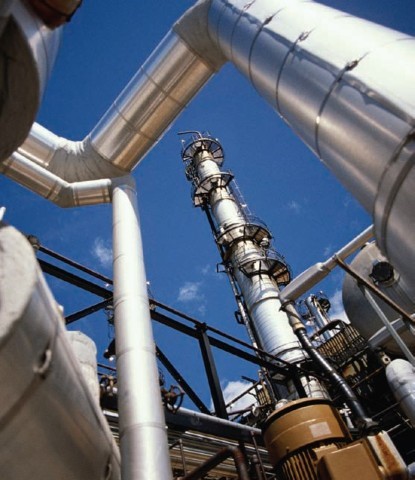
CFATS is the nation's first regulatory program focused specifically on security at high-risk chemical facilities. Managed by the Cybersecurity and Infrastructure Security Agency (CISA), the CFATS program identifies and regulates high-risk facilities to ensure security measures are in place to reduce the risk that certain dangerous chemicals are weaponized by terrorists.
The CFATS regulation applies to facilities across many industries - chemical manufacturing, storage and distribution, energy and utilities, agriculture and food, explosives, mining, electronics, plastics, colleges and universities, laboratories, paint and coatings, and healthcare and pharmaceuticals, among others.
Chemical security is not a temporary issue. As threats evolve, CISA is committed to working with stakeholders to protect the nation's highest-risk chemical infrastructure.
CFATS Process, Regulation, and Tools
Find CFATS fact sheets, flyers, guidance documents, manuals, instruction guides, advisory opinions, and more.
Chemical-Terrorism Vulnerability Information (CVI)
Chemical Security Assessment Tool (CSAT)
CSAT is an online portal that houses the surveys and applications facilities must submit to CISA to determine which facilities are considered high-risk under the CFATS regulation.
Risk-Based Performance Standards (RBPS)
The 18 RBPS are the standards that all chemical facilities determined to be "high-risk" must meet in their security plan in order to comply with the CFATS regulation.
CFATS Laws and Regulations
These are the statutes, regulations, and notices regarding the CFATS regulatory program.
CFATS and Executive Order 13650
CFATS Monthly Statistics
These metrics show the maturation and growth of the CFATS program.
CFATS Knowledge Center
The CFATS Knowledge Center was taken offline with the lapse of CFATS authorities. If you have a question, please email [email protected] .
Featured CFATS Resources
To view all CFATS Resources, visit the CFATS Resources page.
View all CFATS Resources
For more information the CFATS program, please email [email protected] .
If you received information regarding the CSAT Ivanti Notification, please visit the CSAT Ivanti Notification webpage .
For technical assistance, call the Chemical Security Assessment Tool (CSAT) Help Desk at 866-323-2957 or email [email protected] from Monday through Friday (except federal holidays) from 8:30 a.m. to 5 p.m. (ET).
The full story
This article is one source in a clustered incident — the cluster page carries the summary, timeline and every other outlet covering it.
