 Dw
AI-Generated Deepfakes Fuel Political Tensions in Israel's Election
Article Content

- •AI-generated deepfake videos are being used extensively in Israel's election campaigns.
- •Netanyahu's Likud party has released over 1,800 AI-generated posts, raising concerns about misinformation.
- •The election on October 27 could be influenced by the strategic use of AI in political messaging.
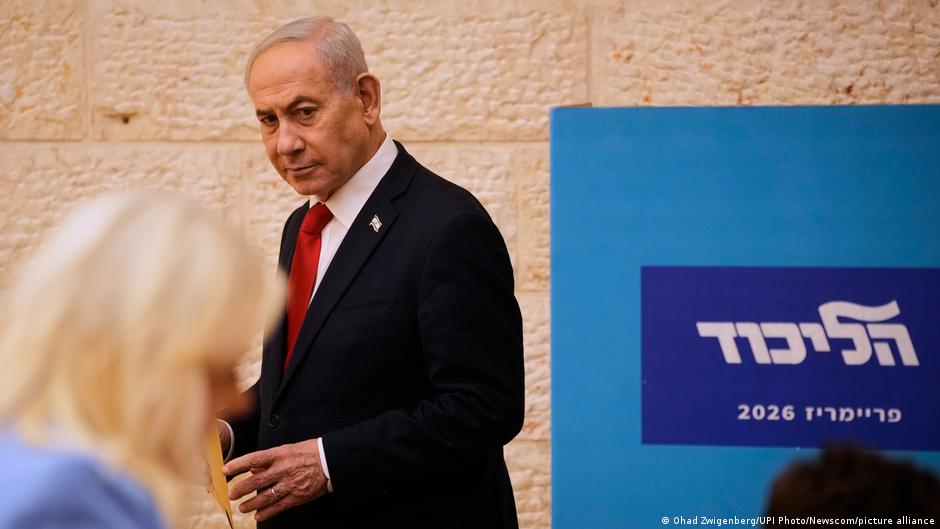
In the lead-up to Israel's election, AI-generated deepfake videos have emerged, notably one featuring Gadi Eisenkot embracing Mansour Abbas, which was posted by Prime Minister Netanyahu's account. This video, viewed over 1 million times, is part of a broader trend where Netanyahu's Likud party has released over 1,800 AI-generated posts during the campaign. Another deepfake video depicted a fabricated conversation between Netanyahu and Hamas leader Yahya Sinwar, further complicating the political landscape. The use of such technology raises concerns about misinformation and its potential impact on public perception and election outcomes. The Central Elections Committee has mandated labeling for AI-generated content, but enforcement remains weak. The election on October 27 could significantly alter Israel's political future, with AI playing a pivotal role in shaping narratives.
Ask AI about this cluster
Answers cite the sources they use
Timeline
More articles in this cluster (2)
Following this threat?
Track X in your own feed — you're alerted when they show up in new reporting, leak sites or exploitation.
Free account · no card needed
Common questions
What types of deepfakes are being used?
How is the government responding to deepfakes?
What is the potential impact on the election?
Continue Reading
 Critical Zero-Day Exploited in BeyondTrust Remote Support by China-linked Group A critical vulnerability in BeyondTrust Remote Support, tracked as CVE-2026-102764 with a CVSS score of 9.3, has been exploited by the China-linked espionage group Armory Castle since August 29, 2026. This flaw allows unauthenticated remote attackers to perform file operations, gaining root control and access to…
 Silent Lynx Targets CIS Governments via WinRAR Exploit The threat actor Silent Lynx has launched a series of attacks against government organizations in the Commonwealth of Independent States (CIS) from June 2025 to August 2026. These attacks exploit a vulnerability in WinRAR (CVE-2025-8088) to deploy reverse shells, including FoalShell and PickleShell, facilitating…