 Thenightly.Au
Australia's Cybersecurity Regulations Lag on Chinese-Made Cars
Ask AI about this cluster
Analyzing cluster data...
Referenced clusters:
Something went wrong. Please try again.
Cluster AI
Ask questions about this threat cluster with AI-powered analysis.
Get Researcher $29.99/moArticle Content
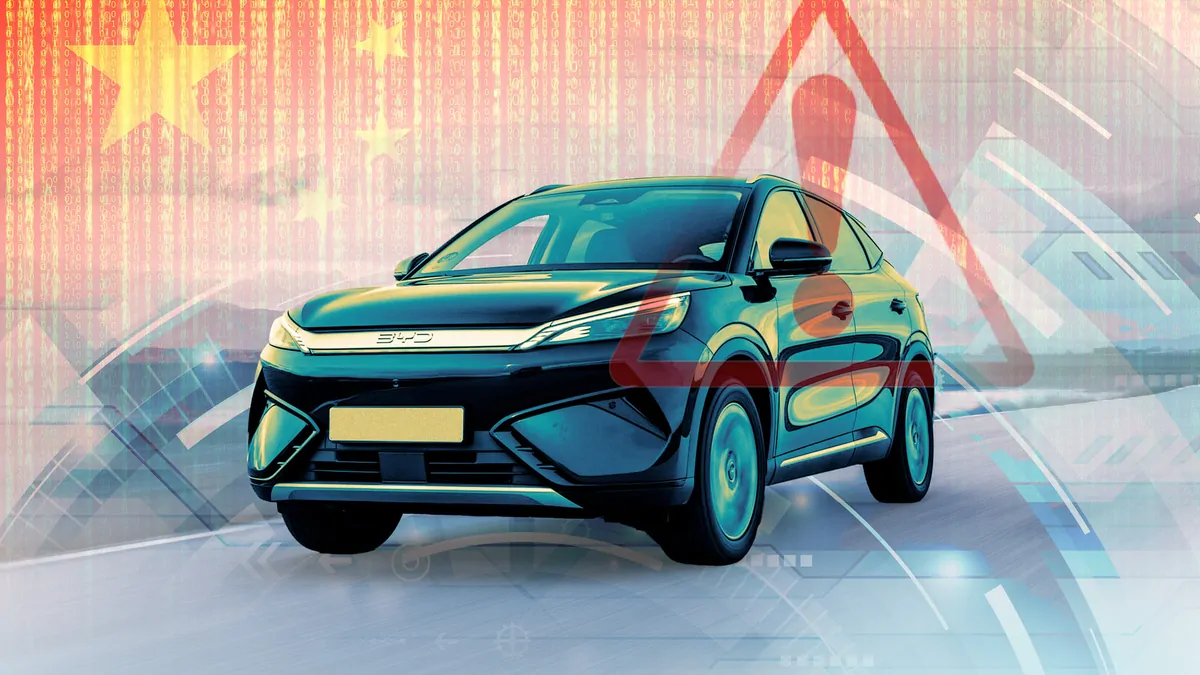
Australia is facing significant cybersecurity risks from the increasing popularity of Chinese-made electric vehicles (EVs). An MP has highlighted that these internet-connected cars can collect sensitive data, which may be accessed by foreign intelligence services under the laws of the manufacturers' countries. The Australian Signals Directorate has issued warnings about the potential misuse of this data. Liberal MP Mary Aldred criticized the slow regulatory response, comparing it unfavorably to actions taken by the US against similar threats. She noted that Chinese EVs, such as those from BYD, have captured a substantial market share, with 8.3% of new car sales in April. Aldred emphasized the need for urgent regulatory reform to protect consumer and government data. The situation raises concerns about domestic violence, corporate espionage, and broader national security implications. The current government has not implemented restrictions similar to those placed on Huawei in 2018.
Key Points: • Chinese-made EVs pose cybersecurity risks due to data collection capabilities. • Australia's regulatory response is significantly lagging behind that of its security partners. • Liberal MP Mary Aldred calls for urgent reforms to protect sensitive data from foreign access.