 Gbhackers
Blockchain C2 Malware Targets Cloud Credentials in Supply Chain Attacks
Article Content

- •ChainDrop and PolinRider malware exploit blockchain for resilient C2 infrastructure.
- •Over 400 npm packages, including key dependencies, have been infected by ChainDrop.
- •Attackers can harvest sensitive cloud credentials without leaving traces on disk.
Recent campaigns involving the ChainDrop npm worm and the PolinRider operation have exploited blockchain networks as command-and-control (C2) infrastructure to steal cloud credentials from developer environments. These malware variants utilize poisoned open-source packages to harvest sensitive tokens, including OpenID Connect tokens and CI/CD secrets, from compromised systems. ChainDrop has infected over 400 npm packages, including popular dependencies, and can propagate itself through stolen npm publishing tokens. The malware employs advanced techniques such as querying Ethereum smart contracts for C2 details, enabling attackers to rotate their infrastructure without altering the malware code. The PolinRider operation demonstrates similar tactics across a broader developer ecosystem. Researchers emphasize the challenge of defending against these threats due to the dynamic nature of blockchain C2, which complicates traditional domain blocking methods.
Ask AI about this cluster
Answers cite the sources they use
Timeline
More articles in this cluster (2)
Following this threat?
Track OmniStealer and Ethereum in your own feed — you're alerted when they show up in new reporting, leak sites or exploitation.
Free account · no card needed
Common questions
What types of credentials are targeted?
How does the malware propagate?
What defenses can be implemented against this threat?
Continue Reading
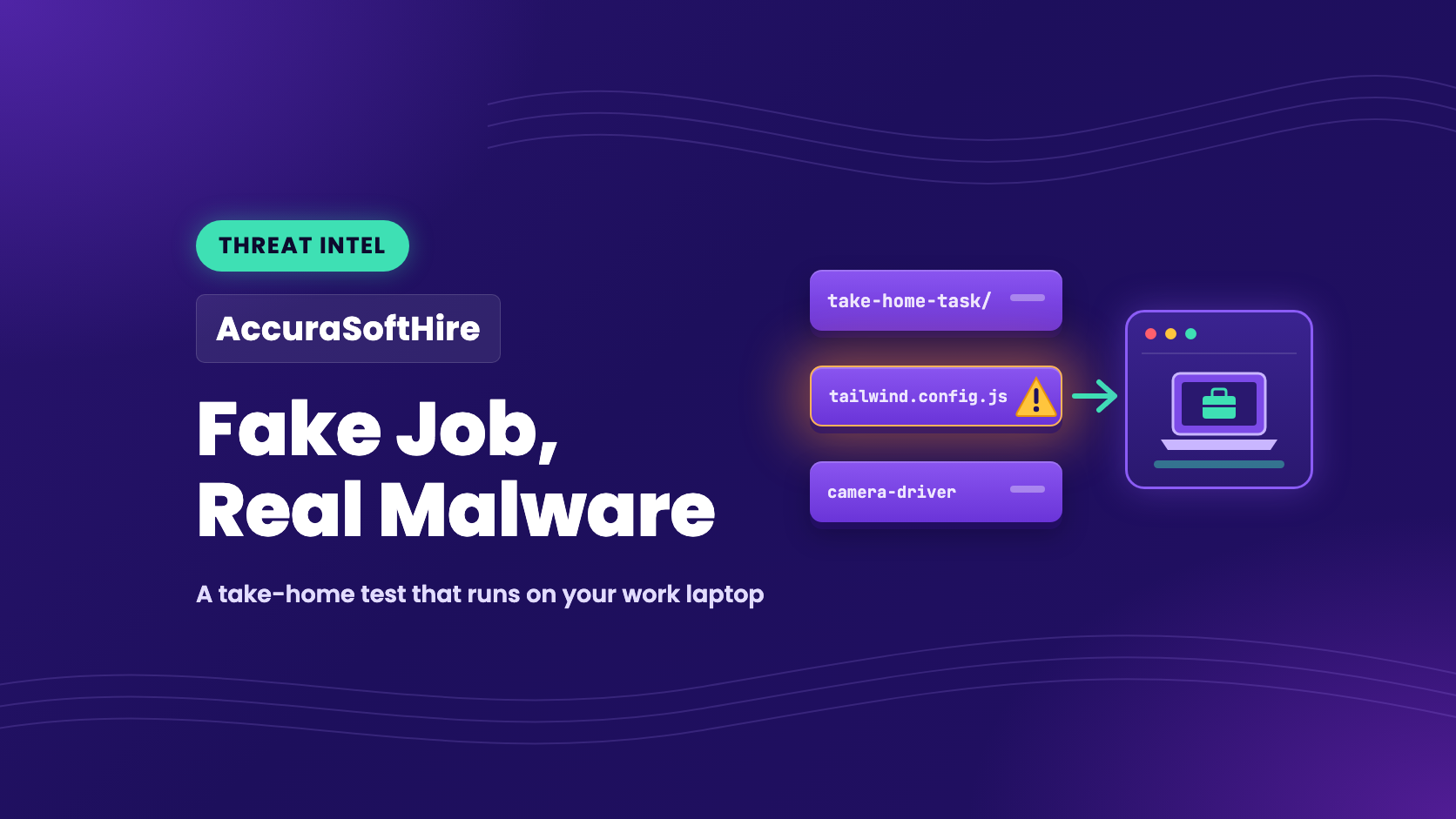 North Korean Hackers Use Fake Job Interviews to Steal $6.34 Billion from Binance On October 29, 2026, Binance reported a theft of $6.34 billion from its hot wallets, attributed to North Korean hackers. The attack involved a fake job interview where a software engineer was lured to download malicious code disguised as a coding assignment. This incident marks the largest cryptocurrency theft to…
 Gheist Campaign Exploits Stolen GitHub Tokens to Harvest Secrets The ongoing Gheist campaign is using stolen GitHub tokens to access private repositories and steal sensitive data. Researchers from Wiz have identified over 13,500 malicious branches created across more than 850 compromised accounts. The attack leverages a GitHub Actions workflow that prints repository secrets into…