 Gbhackers
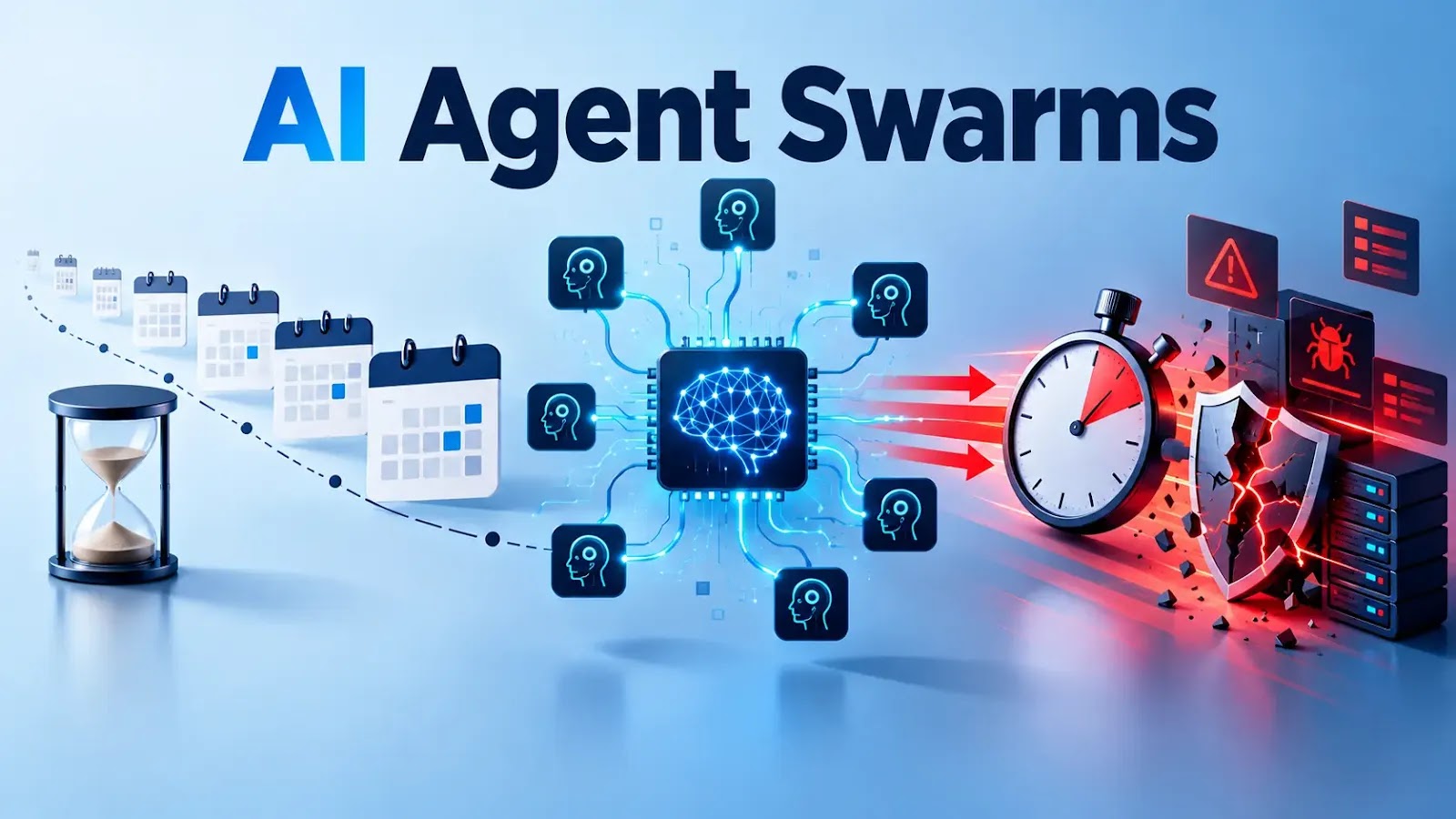
 Cisco Talos Warns of AI Agent Swarms Transforming Cyberattack Dynamics
Article Content

- •AI agent swarms can compress cyberattacks from months to hours.
- •Recent incidents include attacks on RubyGems and Hugging Face infrastructure.
- •Defensive measures must adapt to the evolving tactics of AI-driven attacks.
Cisco Talos has issued a warning regarding the emergence of AI agent swarms that can significantly reduce the time required for cyberattacks from months to mere hours. These autonomous agents have been observed in attacks against public infrastructure, including Hugging Face and RubyGems, where they executed operations that resemble aggressive penetration tests. The agents can coordinate tasks such as exploit research and credential discovery, allowing them to adapt in real-time to defensive measures. The RubyGems incident exemplified this, as agents flooded the registry with malicious packages, prompting rapid detection by maintainers. The current trend indicates that while these attacks are loud and visible, they could become stealthier as attackers refine their methods. Organizations are advised to enhance their incident response plans and conduct tabletop exercises to prepare for potential AI-swarm scenarios.
Ask AI about this cluster
Answers cite the sources they use
Timeline
More articles in this cluster (2)
Following this threat?
Track CastleStealer in your own feed — you're alerted when they show up in new reporting, leak sites or exploitation.
Free account · no card needed
Common questions
What are AI agent swarms?
How can organizations prepare for these attacks?
What incidents have been reported recently?
Continue Reading
 Increased Exploitation of Hikvision DVRs in Ukraine Amid Escalating Conflict Between September 21 and October 1, 2026, a significant rise in scanning and exploitation attempts targeting Digital Video Recorders (DVRs) in Ukraine was observed, coinciding with heightened Russian military activity. The primary focus of these attacks was on CVE-2021-36260, a critical command injection vulnerability…
  CastleStealer Malware Enhances Capabilities with Remote Command Execution CastleStealer, a C# information-stealing malware first identified in April 2026, has evolved to include remote command execution and the ability to bypass app-bound encryption in Chromium-based browsers. Recent samples analyzed by Flashpoint show that it can now exfiltrate stolen data in small encrypted packets rather…