 Dw
Latvia Urges Sanctions on Russia Amid Ongoing Cyber Threats
Article Content
Browse articles 
- •Latvia calls for stronger sanctions against Russia to support Ukraine.
- •Ongoing Russian cyber warfare and drone attacks pose significant threats.
- •EU's role in negotiations is deemed vital for lasting peace.
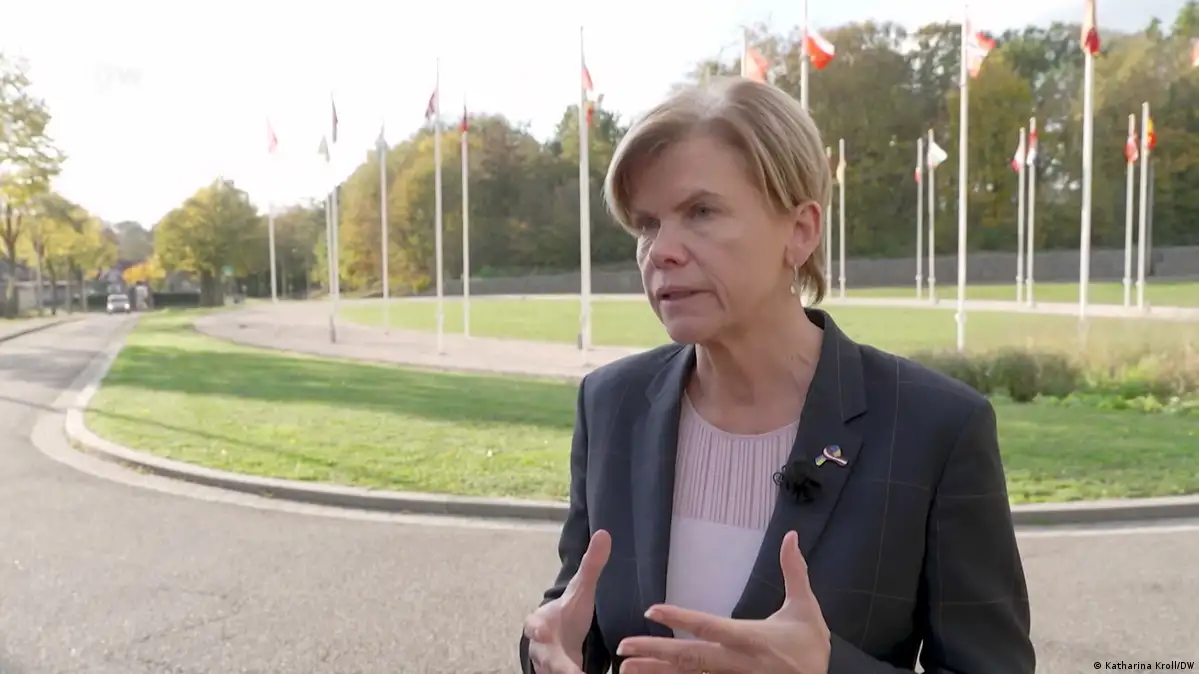
Latvia's Foreign Minister Baiba Braze emphasized the need for continued sanctions against Russia to ensure peace in Ukraine. She supported US and EU diplomatic efforts but insisted that stronger pressure on Russia is essential due to ongoing threats, including cyber warfare and drone attacks. Braze highlighted the importance of EU involvement in negotiations and stated that support for Ukraine is crucial for both EU and trans-Atlantic security. The warnings about Russian cyber operations reflect a broader concern for regional stability and security in Europe.
Ask AI about this cluster
Answers cite the sources they use
Updated 2h ago How this analysis works
More articles in this cluster (2)
Common questions
What specific threats is Latvia concerned about?
Latvia is particularly concerned about ongoing Russian drone, cyber, and information warfare.
What actions is Latvia advocating for?
Latvia is advocating for stronger sanctions against Russia and increased EU involvement in peace negotiations.
Why is support for Ukraine important?
Support for Ukraine is viewed as vital for maintaining EU and trans-Atlantic security.
Continue Reading
 Critical RCE Vulnerability in Prefab UI Disclosed A critical remote code execution vulnerability, CVE-2026-120338, was disclosed on November 1, 2026, affecting Prefab UI's Generative UI sandbox. The flaw allows attackers to execute arbitrary Python code by exploiting Deno's permissions, enabling file read/write access on the host server. This vulnerability affects…
 Chinese Actor Compromises US Government Networks via PHP2Shell Exploit A suspected Chinese nation-state actor exploited vulnerabilities in Palo Alto Networks firewalls using a chained PHP2Shell exploit and a Linux kernel privilege escalation flaw. The attack, which began on October 23, targeted 25 servers across the US, Japan, Taiwan, and South Korea, with a focus on US…