 www.mitchellaerospacepower.org
Mitchell Institute Workshop Addresses Growing Air and Missile Threats to North America
Article Content

- •Workshop focused on integrated defense against air and missile threats in North America.
- •Participants included military and industry experts assessing current defense capabilities.
- •Future findings will guide military and policy leaders on actionable defense strategies.
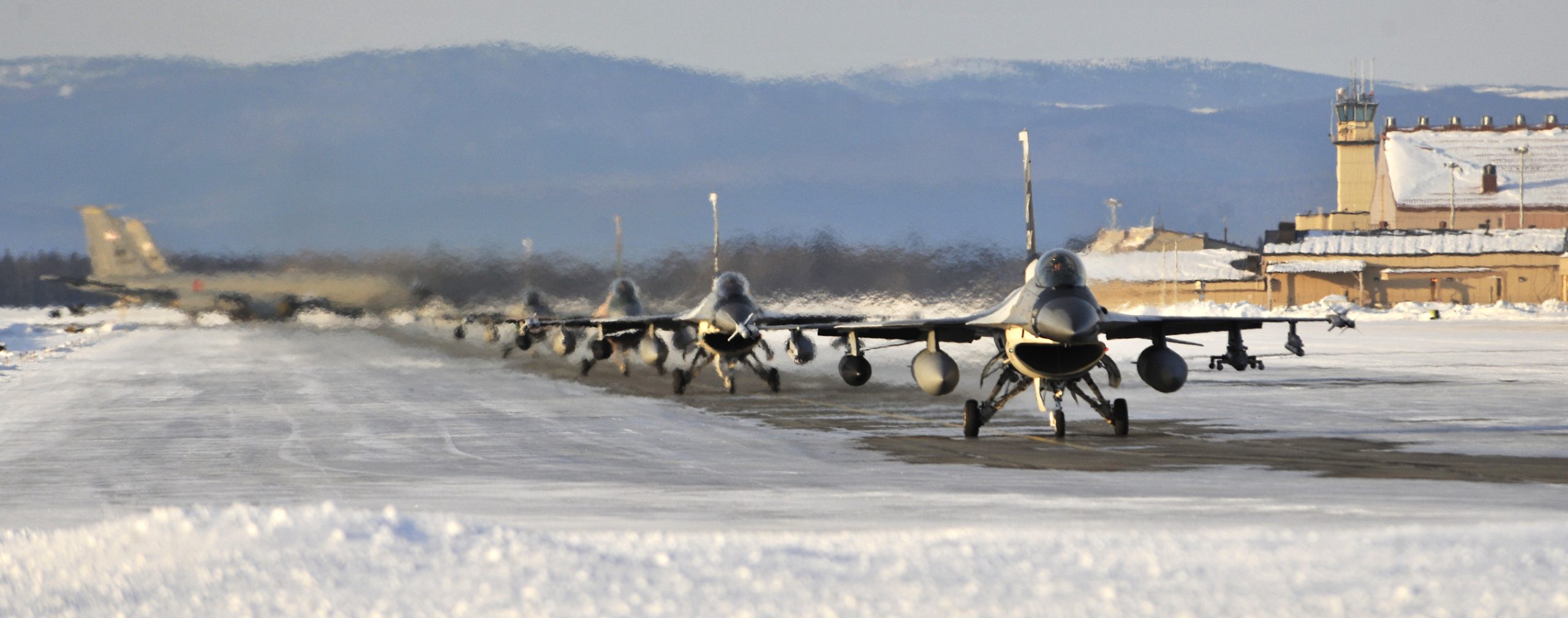
On October 28, 2026, the Mitchell Institute for Aerospace Studies hosted a workshop to assess North America's defense against increasing foreign air and missile threats. Experts from NORAD-NORTHCOM, the Royal Canadian Air Force, and other agencies discussed the need for an integrated defense architecture. Lt. Gen. David A. Deptula emphasized that geographical advantages are no longer sufficient for protection. The workshop aimed to identify key components for missile and aircraft interception. Heather Penney noted that the complexity and range of threats are expected to grow, necessitating actionable recommendations for military and policy leaders. Findings from the workshop will contribute to a future report on integrated air and missile defense. This initiative builds on previous research, including a 2025 report on Arctic defense.
Ask AI about this cluster
Answers cite the sources they use
Timeline
More articles in this cluster (3)
Common questions
What was the main focus of the workshop?
Who participated in the workshop?
What will happen with the findings from the workshop?
Continue Reading
 Critical RCE Vulnerability in Prefab UI Disclosed A critical remote code execution vulnerability, CVE-2026-120338, was disclosed on November 1, 2026, affecting Prefab UI's Generative UI sandbox. The flaw allows attackers to execute arbitrary Python code by exploiting Deno's permissions, enabling file read/write access on the host server. This vulnerability affects…
 China-Linked Hackers Exploit PHP2Shell Vulnerabilities to Breach U.S. Government Systems On October 21, 2026, the PHP development team released patches for two critical vulnerabilities in PHP, known as PHP2Shell (CVE-2026-109618 and CVE-2026-109619), which allow unauthenticated remote code execution. These vulnerabilities were actively exploited by a suspected China-linked threat actor who compromised 25…