 Bleepingcomputer
 Artlist Subdomain Compromised in ClickFix Campaign Using EtherHiding Technique
Article Content

- •Attackers used EtherHiding to obfuscate malicious payload delivery via a blockchain query.
- •The compromise originated from an infostealer infection linked to a pirated software download.
- •The campaign successfully exploited high-privilege WordPress credentials to inject malware.
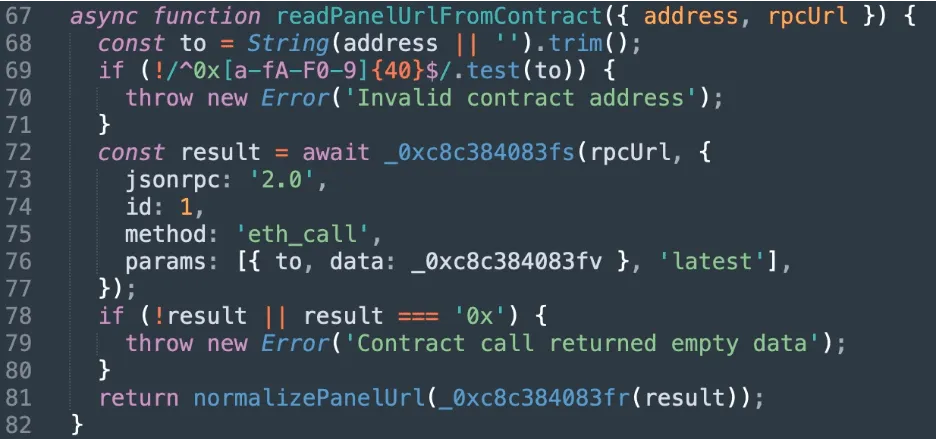
In July 2026, a ClickFix campaign was discovered on the Artlist subdomain new-blog.artlist[.]io, where attackers injected malicious code that masqueraded as a CAPTCHA to install a Remote Access Trojan (RAT). The attack originated from an infostealer infection traced back to a pirated software download in 2023, which compromised a developer's machine and provided access to high-privilege WordPress credentials. The attackers utilized a technique called EtherHiding, querying a smart contract on the Polygon blockchain to dynamically route to the malicious payload, avoiding detection. The campaign's infrastructure included a Tor-backed command-and-control (C2) fallback and DLL side-loading techniques. The incident highlights the growing trend of legitimate businesses being exploited as malware hosts. As of now, the campaign is still active, with ongoing investigations into the compromised components.
Ask AI about this cluster
Answers cite the sources they use
Timeline
More articles in this cluster (33)
Following this threat?
Track BoryptGrab and Artlist in your own feed — you're alerted when they show up in new reporting, leak sites or exploitation.
Free account · no card needed
Continue Reading
 Malicious LastPass Repositories Distribute Rapuncel Infostealer via GitHub A campaign impersonating LastPass has been identified, distributing the Rapuncel infostealer through fake GitHub repositories. Users searching for 'LastPass Authenticator download' are misled into downloading malicious software that masquerades as legitimate. The malware is capable of stealing sensitive information…
  New ChainScript RAT Exploits ClickFix Lures with Blockchain C2 A newly discovered Node.js remote access trojan (RAT) named ChainScript is being deployed through ClickFix social engineering tactics, targeting Windows systems. The malware utilizes a unique command-and-control (C2) discovery method by querying a Polygon blockchain smart contract to dynamically rotate its server…