 rootkitlabs.com
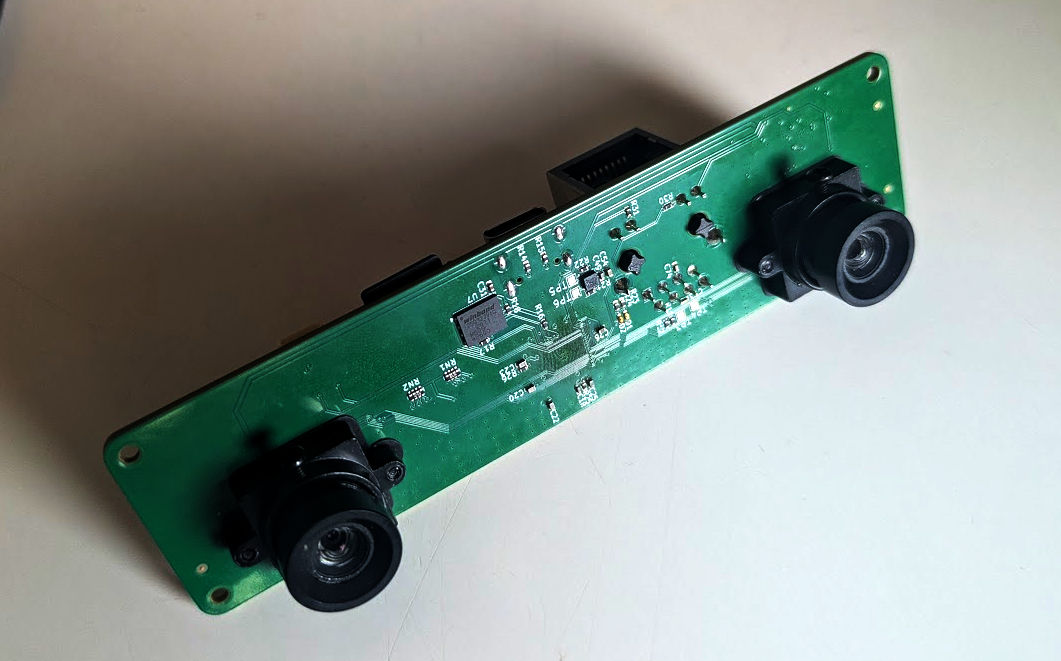
New Stereo Vision Board for Hackers Released
Article Content
Browse articles 
- •The stereo vision board utilizes the Rockchip RV1103 ARM chip.
- •It features dual OV9281 cameras for depth perception and motion sensing.
- •Design files are available on GitHub for DIY enthusiasts.
A new stereo vision board has been developed by [machinehum] using the Rockchip RV1103 chip, featuring dual OV9281 cameras and Linux support. The board is designed for hardware hackers and can be integrated into robotics projects for tasks like obstacle avoidance. It includes 64 MB of DDR2 RAM, a MIPI CSI-2 bus, and a 10/100 Mbit Ethernet interface. The project aims to provide a platform for experimenting with stereo vision and motion sensing. Design files are available on GitHub for those interested in building their own. The board is noted for its affordability and ease of use, making it suitable for both beginners and experienced developers.
Ask AI about this cluster
Answers cite the sources they use
Updated 2h ago How this analysis works
Timeline
2026-10-06
Background article published
[machinehum] detailed the development process and challenges faced while building the stereo vision board.
rootkitlabs.com2026-10-21
Stereo vision board announced
The board built by [machinehum] was released, showcasing its capabilities for hardware hackers.
HackadayMore articles in this cluster (2)
Common questions
What is the main use of the stereo vision board?
The board is designed for hardware hackers to experiment with stereo vision and integrate into robotics projects.
What are the key specifications of the board?
It features a Rockchip RV1103 chip, dual OV9281 cameras, 64 MB of RAM, and Linux support.
Where can I find the design files?
Design files for the stereo vision board are available on GitHub for those interested in building their own.
Continue Reading
 Critical Zero-Day Exploited in BeyondTrust Remote Support by China-linked Group A critical vulnerability in BeyondTrust Remote Support, tracked as CVE-2026-102764 with a CVSS score of 9.3, has been exploited by the China-linked espionage group Armory Castle since August 29, 2026. This flaw allows unauthenticated remote attackers to perform file operations, gaining root control and access to…