 Hackread
 Ransomware Exploits Trust in Collaboration Tools for Initial Access
Article Content

- •Ransomware now primarily enters through collaboration tools like Microsoft Teams.
- •Attackers impersonate IT support to gain remote access, complicating detection.
- •Proactive threat hunting is essential for MSSPs to combat evolving ransomware tactics.
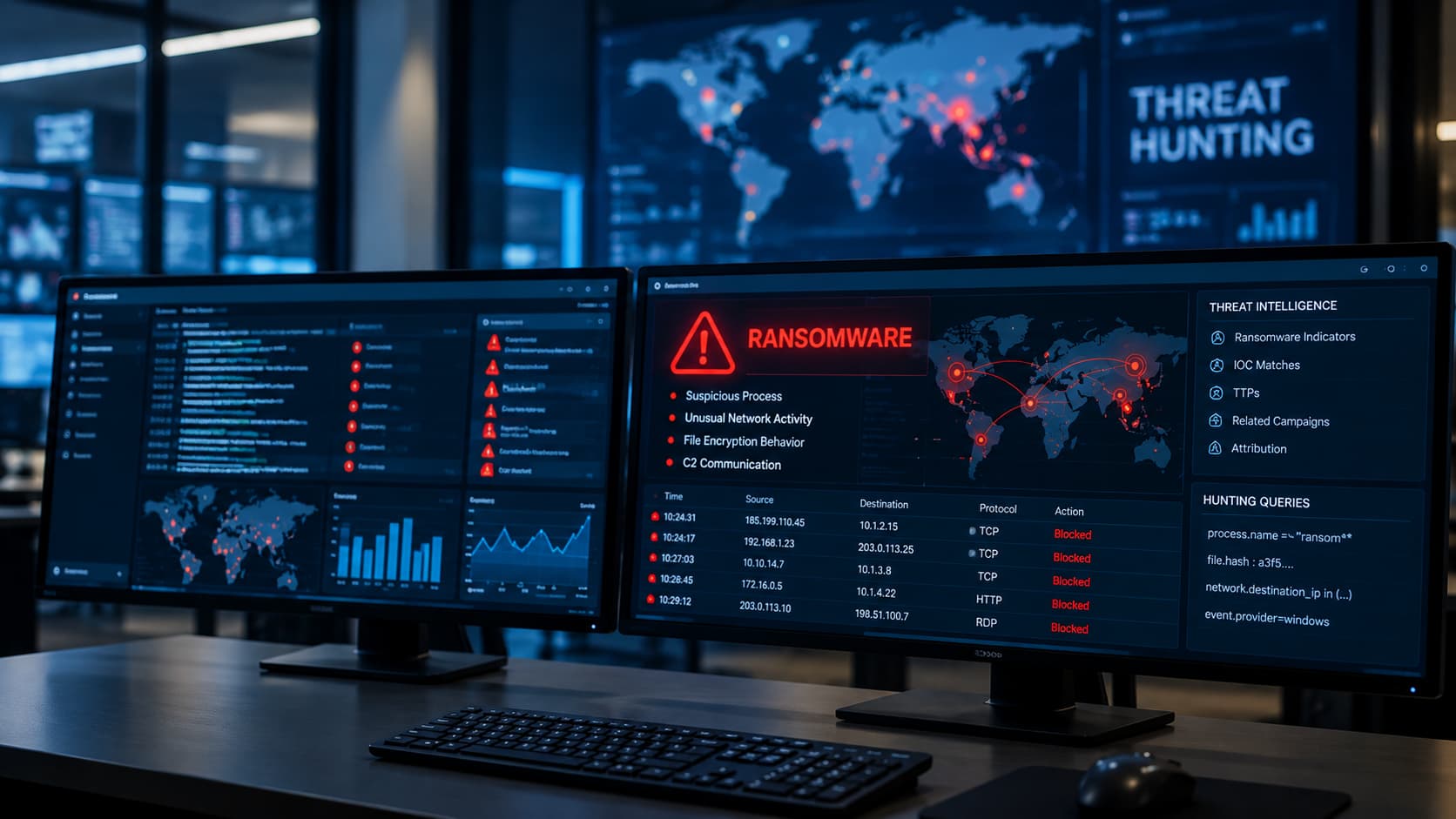
In 2026, ransomware attacks have shifted from traditional methods to exploiting collaboration platforms like Microsoft Teams. Attackers use spam emails to confuse victims before impersonating IT support to gain remote access. This method has been documented by ThreatLabz, which tracked three distinct initial access brokers using this tactic. The brokers deployed various malware, including a custom family called GoGRPC and a Java-based remote access trojan. The attack method targets employees in finance, sales, and operations, making it particularly dangerous. The shift in attack vectors expands the attack surface, complicating defense efforts. MSSPs are urged to enhance threat hunting capabilities to identify such threats proactively. Recent research highlights the urgency of addressing these evolving tactics.
Ask AI about this cluster
Answers cite the sources they use
Timeline
More articles in this cluster (3)
Following this threat?
Track Payouts King, Edgecution and AWS in your own feed — you're alerted when they show up in new reporting, leak sites or exploitation.
Free account · no card needed
Common questions
How are attackers gaining access?
What types of malware are being used?
What should MSSPs do to improve security?
Continue Reading
 CVE-2015-3306 Exploited in ProFTPD FTP Servers CVE-2015-3306, a vulnerability in ProFTPD 1.3.5, allows remote attackers to read and write arbitrary files using the SITE CPFR and SITE CPTO commands. This exploit can lead to unauthorized access and potential remote code execution, as the commands are executed with the privileges of the ProFTPD service. Active…
  CISA Mandates Urgent Patching of Five Critical Flaws Exploited by Flax Typhoon The U.S. Cybersecurity and Infrastructure Security Agency (CISA) has ordered federal agencies to patch five critical vulnerabilities by October 11, 2026, following exploitation by the China-linked hacking group Flax Typhoon. The vulnerabilities, added to CISA's Known Exploited Vulnerabilities (KEV) catalog, include…