 www.unicef.org
Rising Threat of Explosive Weapons to Children in Conflict Zones
Article Content

- •Over 35,900 children killed or maimed by explosive weapons from 2021 to 2025.
- •70% of child casualties in 2025 were due to explosive weapons, a significant increase from 54% in 2021.
- •Countries like Ukraine, Afghanistan, and Syria report the highest child casualty rates.
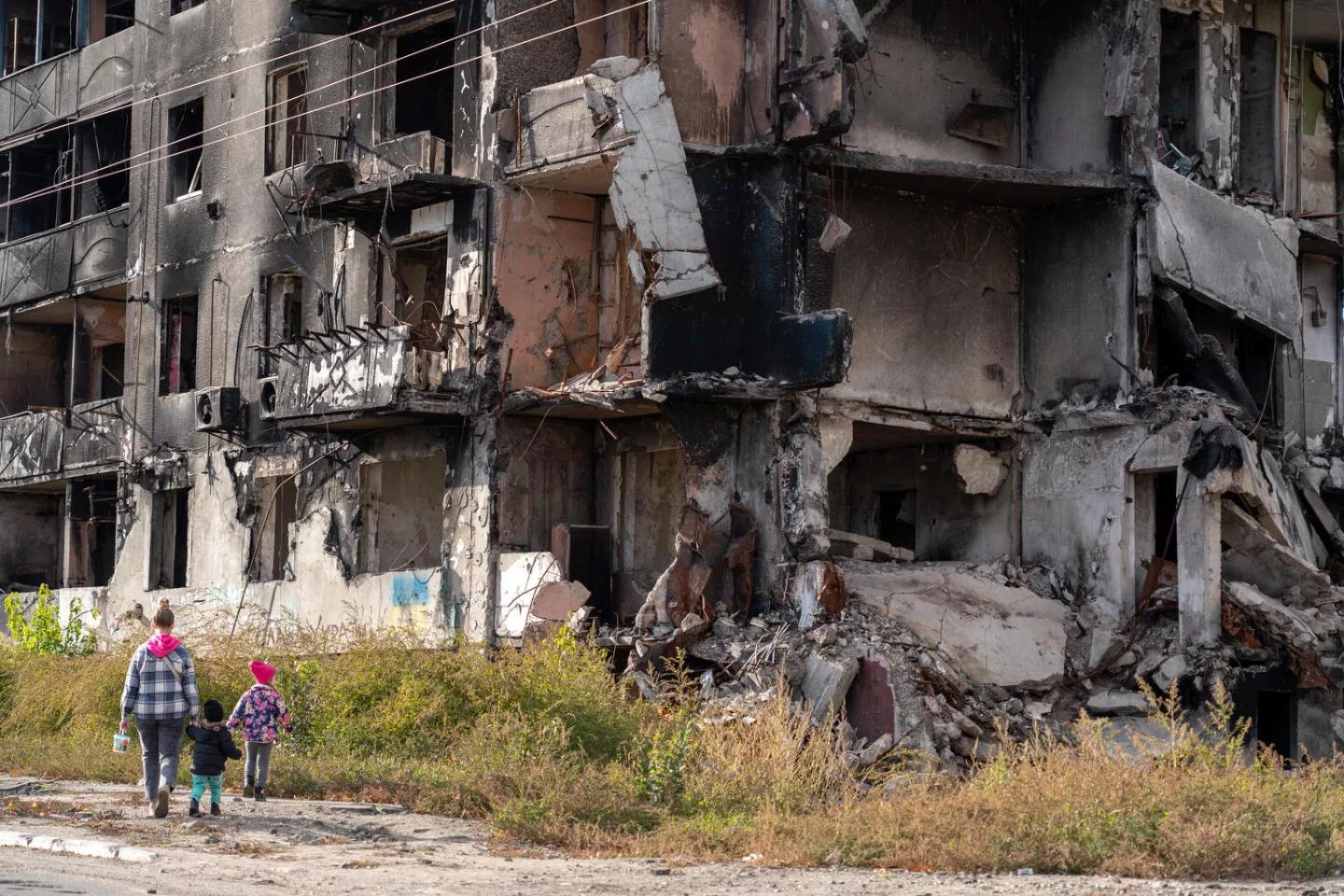
Between 2021 and 2025, over 35,900 children were killed or maimed by explosive weapons in conflict zones, according to UNICEF. The use of these weapons in populated areas has surged, with 70% of child casualties attributed to them in 2025, up from 54% in 2021. Countries most affected include Ukraine, Afghanistan, Myanmar, Israel, Palestine, Lebanon, Somalia, Sudan, and Syria. Explosive weapons not only cause immediate harm but also destroy critical infrastructure, leaving behind unexploded ordnance that poses long-term risks. UNICEF calls for an end to the use of explosive weapons in populated areas and accountability for violations against children's rights. The humanitarian consequences are severe, affecting access to essential services like healthcare and education.
Ask AI about this cluster
Answers cite the sources they use
Timeline
More articles in this cluster (4)
Following this threat?
Track Education in your own feed — you're alerted when they show up in new reporting, leak sites or exploitation.
Free account · no card needed
Common questions
What are explosive weapons?
How are children affected?
What actions are being taken?
Continue Reading
 Critical RCE Vulnerability in Prefab UI Disclosed A critical remote code execution vulnerability, CVE-2026-120338, was disclosed on November 1, 2026, affecting Prefab UI's Generative UI sandbox. The flaw allows attackers to execute arbitrary Python code by exploiting Deno's permissions, enabling file read/write access on the host server. This vulnerability affects…
 Chinese Actor Compromises US Government Networks via PHP2Shell Exploit A suspected Chinese nation-state actor exploited vulnerabilities in Palo Alto Networks firewalls using a chained PHP2Shell exploit and a Linux kernel privilege escalation flaw. The attack, which began on October 23, targeted 25 servers across the US, Japan, Taiwan, and South Korea, with a focus on US…