 Asiapacificdefencereporter
Saab Unveils Ocean Barrier for Underwater Threat Detection
Article Content

- •Ocean Barrier enhances underwater surveillance for maritime security.
- •The system integrates multiple sensor capabilities for comprehensive monitoring.
- •Saab's modular design allows for adaptation to evolving threats.
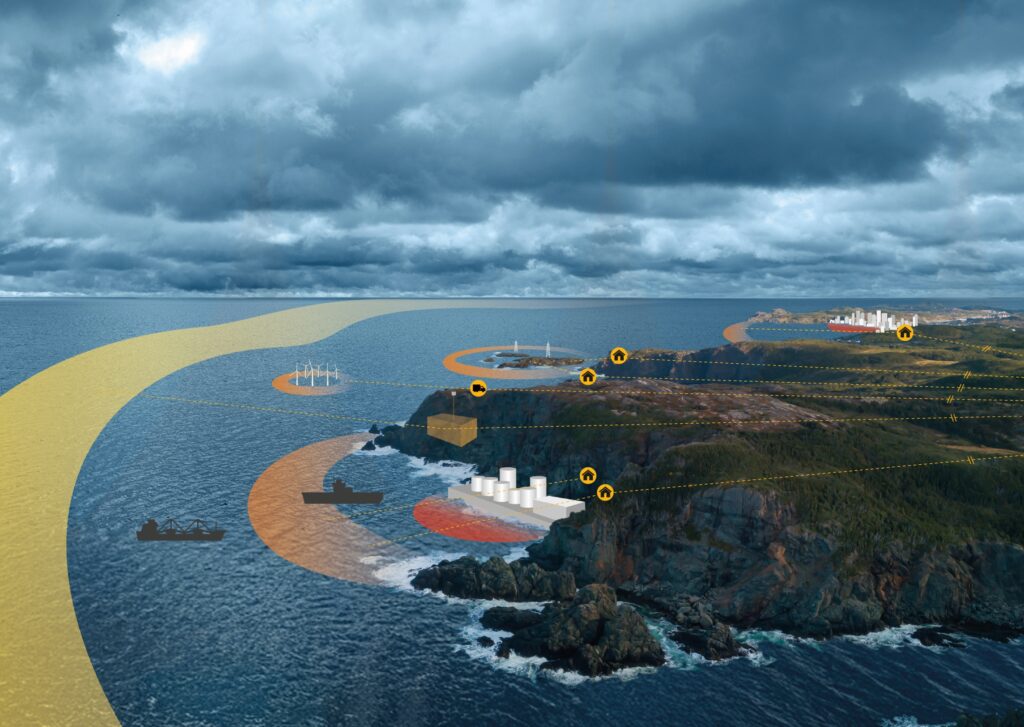
Saab has launched Ocean Barrier, an integrated underwater surveillance solution aimed at enhancing maritime border protection. This system is designed to monitor and protect critical infrastructure and territorial waters from underwater threats. It enables operators to detect and analyze underwater activities across vast maritime areas, integrating various sensor systems into a cohesive operational framework. Ocean Barrier features three defensive perimeters—Detect, Prevent, and Protect—tailored for different operational environments. The system was showcased at REPMUS 2026, demonstrating its capability to autonomously hand off tracked objects to a central command system. Built with a modular and cyber-secure architecture, Ocean Barrier allows for the integration of new technologies as threats evolve. This solution is particularly relevant as maritime infrastructure becomes increasingly crucial for national security.
Ask AI about this cluster
Answers cite the sources they use
Timeline
More articles in this cluster (2)
Common questions
What is Ocean Barrier?
How does Ocean Barrier work?
Where was Ocean Barrier showcased?
Continue Reading
 Critical RCE Vulnerability in Prefab UI Disclosed A critical remote code execution vulnerability, CVE-2026-120338, was disclosed on November 1, 2026, affecting Prefab UI's Generative UI sandbox. The flaw allows attackers to execute arbitrary Python code by exploiting Deno's permissions, enabling file read/write access on the host server. This vulnerability affects…
 Chinese Actor Compromises US Government Networks via PHP2Shell Exploit A suspected Chinese nation-state actor exploited vulnerabilities in Palo Alto Networks firewalls using a chained PHP2Shell exploit and a Linux kernel privilege escalation flaw. The attack, which began on October 23, targeted 25 servers across the US, Japan, Taiwan, and South Korea, with a focus on US…