 www.courthousenews.com
 Samsung Sued for Privacy Violations with Smart TVs
Article Content

- •Samsung faces a class action lawsuit for unauthorized data collection from Smart TVs.
- •The lawsuit claims Samsung uses automated content recognition to track viewing habits.
- •Plaintiffs argue Samsung violated privacy laws and manipulated user consent.
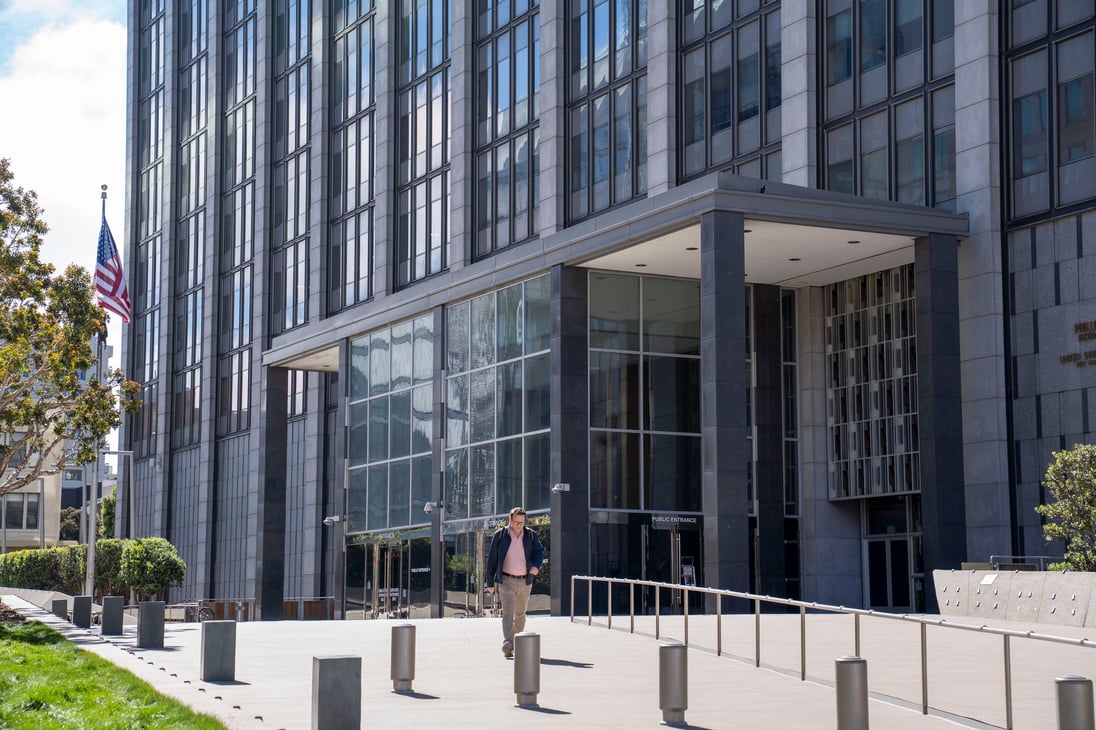
Customers have filed a class action lawsuit against Samsung, alleging that the company collects real-time viewing habits of users without consent. The named plaintiffs, who purchased Samsung Smart TVs between 2014 and 2021, claim that Samsung violates data privacy laws by using automated content recognition technology to capture screen images twice per second. This technology allegedly creates unique digital fingerprints of viewing activity, which Samsung aggregates into consumer profiles for advertising purposes. The lawsuit was filed in Northern California federal court, highlighting concerns over Samsung's practices and the manipulation of user consent. The plaintiffs argue that Samsung has ignored public warnings regarding Smart TV surveillance. Samsung has reportedly used this technology since at least 2013.
Ask AI about this cluster
Answers cite the sources they use
Timeline
More articles in this cluster (2)
Following this threat?
Track Samsung in your own feed — you're alerted when they show up in new reporting, leak sites or exploitation.
Free account · no card needed
Common questions
Who are the plaintiffs in the lawsuit?
What technology is at the center of the lawsuit?
What are the potential implications of this lawsuit?
Continue Reading
 CISA Mandates Urgent Patching of Five Critical Flaws Exploited by Flax Typhoon The U.S. Cybersecurity and Infrastructure Security Agency (CISA) has ordered federal agencies to patch five critical vulnerabilities by October 11, 2026, following exploitation by the China-linked hacking group Flax Typhoon. The vulnerabilities, added to CISA's Known Exploited Vulnerabilities (KEV) catalog, include…
  Silent Lynx Targets CIS Governments via WinRAR Exploit The threat actor Silent Lynx has launched a series of attacks against government organizations in the Commonwealth of Independent States (CIS) from June 2025 to August 2026. These attacks exploit a vulnerability in WinRAR (CVE-2025-8088) to deploy reverse shells, including FoalShell and PickleShell, facilitating…