 www.defensenews.com
Shield AI Acquires Echodyne to Enhance Counter-Drone Capabilities
Article Content

- •Shield AI acquires Echodyne for $5.3 billion to enhance drone detection capabilities.
- •Echodyne's MESA radar technology is critical for counter-drone operations, with a $250 million Defense Department contract.
- •The counter-drone market is expected to grow significantly, driven by recent conflicts highlighting the need for effective drone detection.
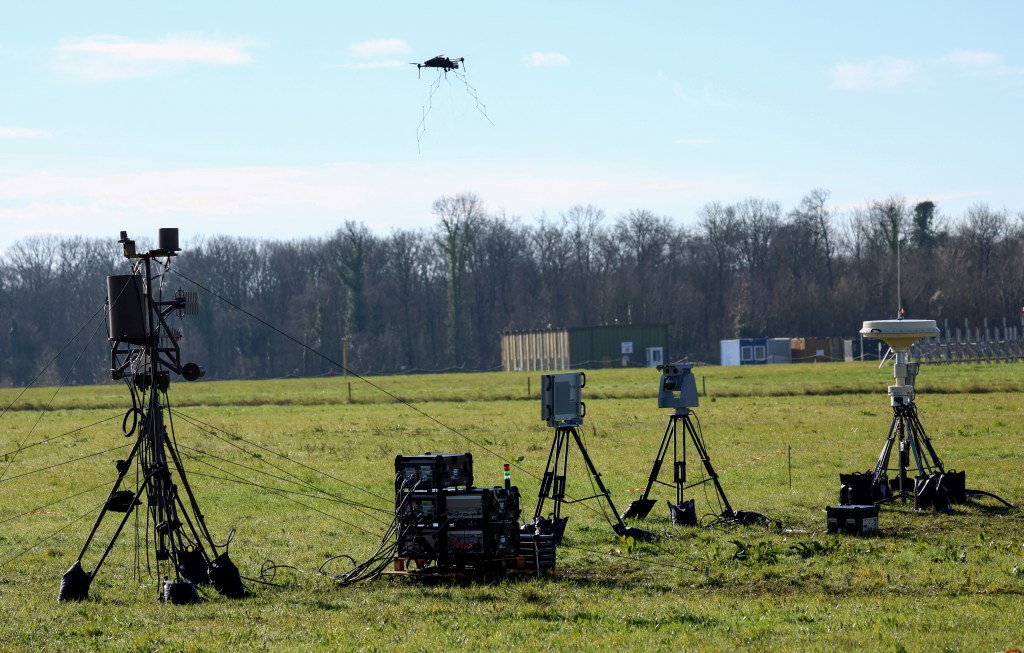
Shield AI announced its acquisition of Echodyne for $5.3 billion, aiming to bolster its drone warfare technology. Echodyne's MESA radar systems are designed to detect and track drones, with a contract from the Defense Department worth $250 million for counter-drone technology. The demand for such radar systems is projected to grow tenfold by 2030, driven by the increasing use of drones in conflicts like those in Ukraine and Iran. Echodyne's CEO, Eben Frankenberg, highlighted the urgency for effective counter-drone solutions, stating that the Ukraine war has changed the nature of warfare. Shield AI plans to integrate Echodyne's technology into its existing unmanned systems and autonomy software to enhance operational capabilities.
Ask AI about this cluster
Answers cite the sources they use
Timeline
More articles in this cluster (5)
Following this threat?
Track Echodyne in your own feed — you're alerted when they show up in new reporting, leak sites or exploitation.
Free account · no card needed
Common questions
What technology does Echodyne provide?
What is the significance of this acquisition?
How is the counter-drone market expected to grow?
Continue Reading
 Critical RCE Vulnerability in Prefab UI Disclosed A critical remote code execution vulnerability, CVE-2026-120338, was disclosed on November 1, 2026, affecting Prefab UI's Generative UI sandbox. The flaw allows attackers to execute arbitrary Python code by exploiting Deno's permissions, enabling file read/write access on the host server. This vulnerability affects…
 China-Linked Hackers Exploit PHP2Shell Vulnerabilities to Breach U.S. Government Systems On October 21, 2026, the PHP development team released patches for two critical vulnerabilities in PHP, known as PHP2Shell (CVE-2026-109618 and CVE-2026-109619), which allow unauthenticated remote code execution. These vulnerabilities were actively exploited by a suspected China-linked threat actor who compromised 25…