 Windward.Ai
Smuggling Networks Use Tactics Similar to Sanctions Evaders
Article Content

- •Smuggling and sanctions evasion tactics are nearly identical.
- •A Mali-flagged vessel went dark for over three weeks while evading detection.
- •The intelligence methods used for sanctions evasion apply equally to narcotics smuggling.
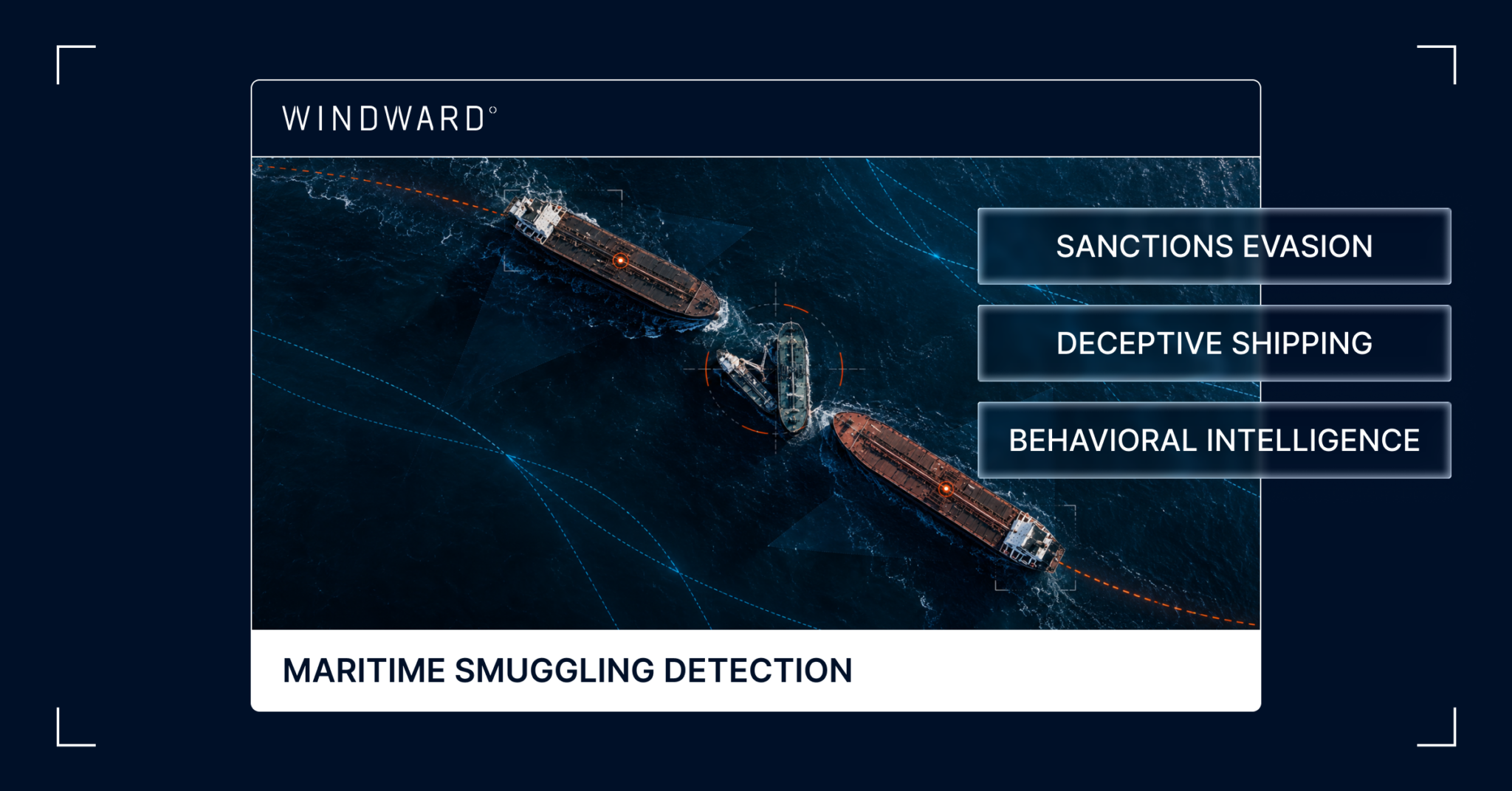
A recent analysis reveals that vessels involved in smuggling narcotics and those evading sanctions utilize similar tactics to avoid detection. Techniques such as prolonged dark activity, ship-to-ship transfers, and fraudulent flags are common in both profiles. For instance, a Mali-flagged cargo vessel went dark for over three weeks off Libya after changing its flag to a fraudulent registry. The intelligence that identifies one type of vessel is equally applicable to the other, highlighting a shared problem in maritime operations. The report emphasizes that compliance and enforcement communities have historically treated these issues separately, despite the overlapping methodologies. The analysis indicates that the behavioral patterns of these vessels do not differentiate between the nature of their cargo. This convergence of tactics suggests a need for integrated approaches in monitoring and enforcement.
Ask AI about this cluster
Answers cite the sources they use
Timeline
More articles in this cluster (2)
Common questions
What tactics are used by these vessels?
What does going dark mean?
How do these tactics affect enforcement?
Continue Reading
 Critical RCE Vulnerability in Prefab UI Disclosed A critical remote code execution vulnerability, CVE-2026-120338, was disclosed on November 1, 2026, affecting Prefab UI's Generative UI sandbox. The flaw allows attackers to execute arbitrary Python code by exploiting Deno's permissions, enabling file read/write access on the host server. This vulnerability affects…
 Chinese Actor Compromises US Government Networks via PHP2Shell Exploit A suspected Chinese nation-state actor exploited vulnerabilities in Palo Alto Networks firewalls using a chained PHP2Shell exploit and a Linux kernel privilege escalation flaw. The attack, which began on October 23, targeted 25 servers across the US, Japan, Taiwan, and South Korea, with a focus on US…