 Gizmodo
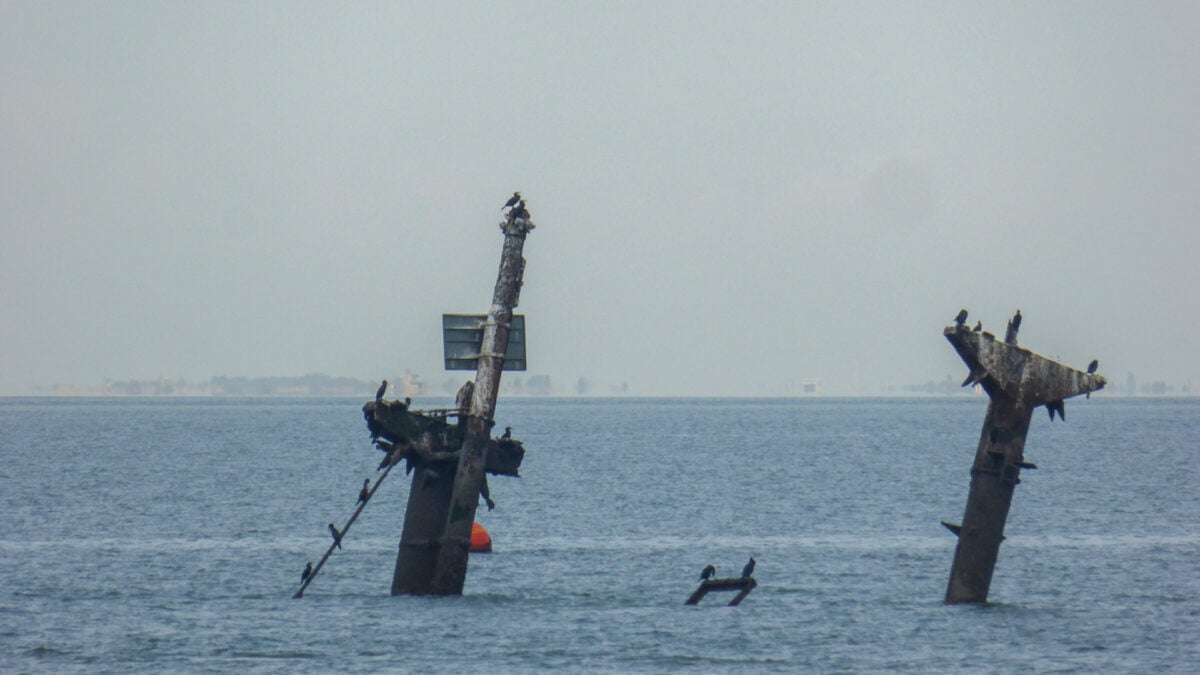
UK Removes Masts from WWII Ship with 1,400 Tonnes of Explosives
Article Content

- •The masts of SS Richard Montgomery were removed to mitigate risks to the deteriorating wreck.
- •1,400 tonnes of explosives remain at the site, posing a potential risk of detonation.
- •The project was completed ahead of schedule and involved multiple agencies.
The UK government has successfully removed the three masts from the SS Richard Montgomery, a WWII cargo ship that sank in the Thames Estuary in 1944 with approximately 1,400 tonnes of explosives on board. The removal was prompted by concerns that the masts were putting undue strain on the deteriorating wreck, which could lead to an explosion. While the masts have been removed and transferred to the Historic Dockyard Chatham for preservation, the explosives remain at the site, monitored by port authorities. Experts have warned that the explosives could detonate if seawater reaches the fuses, a risk known to the government since at least 1967. The project was completed ahead of schedule and below budget, involving collaboration between various agencies and experts. The wreck is currently protected by a 500-meter exclusion zone.
Ask AI about this cluster
Answers cite the sources they use
Timeline
More articles in this cluster (4)
Common questions
What risks are associated with the SS Richard Montgomery?
How is the wreck being monitored?
What was the outcome of the mast removal project?
Continue Reading
 Critical Zero-Day Exploited in BeyondTrust Remote Support by China-linked Group A critical vulnerability in BeyondTrust Remote Support, tracked as CVE-2026-102764 with a CVSS score of 9.3, has been exploited by the China-linked espionage group Armory Castle since August 29, 2026. This flaw allows unauthenticated remote attackers to perform file operations, gaining root control and access to…
 Critical RCE Vulnerability in Prefab UI Disclosed A critical remote code execution vulnerability, CVE-2026-120338, was disclosed on November 1, 2026, affecting Prefab UI's Generative UI sandbox. The flaw allows attackers to execute arbitrary Python code by exploiting Deno's permissions, enabling file read/write access on the host server. This vulnerability affects…