 www.kyivpost.com
Ukraine Faces Increased Missile Threats This Winter
Article Content

- •Ukraine could face 360-440 ballistic missiles from Russia over the winter.
- •Russia produces approximately 110 ballistic missiles and 10,000 drones monthly.
- •Ukrainian missile capabilities may challenge Russia's targeting effectiveness.
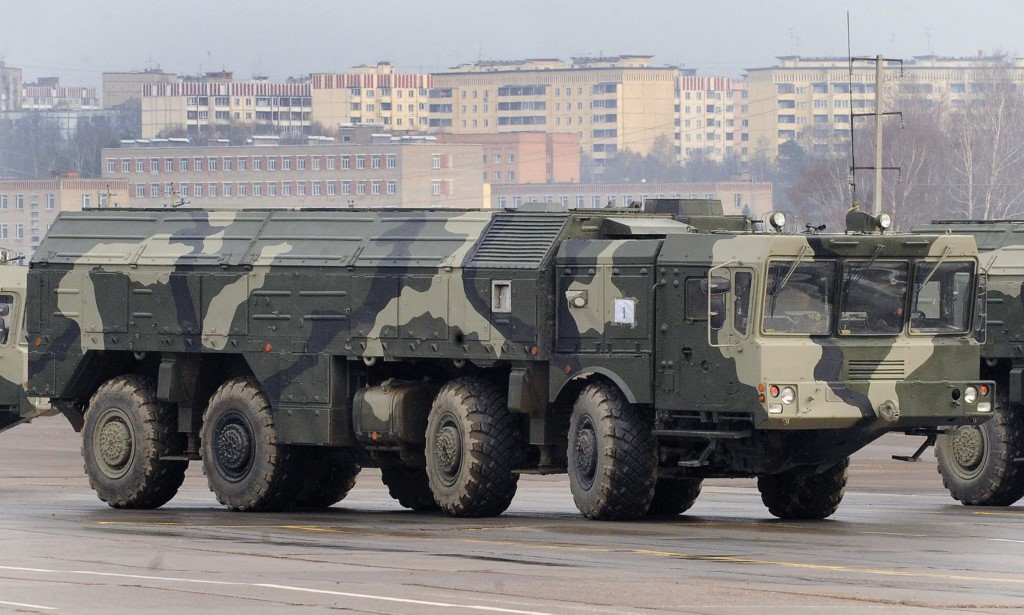
As winter approaches, Ukraine is bracing for intensified missile attacks from Russia, which reportedly produces around 110 ballistic missiles monthly and maintains a stockpile of up to 700. Ukrainian military intelligence estimates that Russia could launch between 360 and 440 ballistic missiles over the next four months, alongside hundreds of cruise missiles and thousands of drones. The production of Iskander-M missiles is approximately 65 per month, while the Kh-101 air-launched cruise missiles have a monthly production exceeding 80. Ukraine's air defenses are under strain, with recent reports indicating that Russian systems may not be as effective as claimed. Experts suggest that Ukraine's own ballistic missile capabilities could complicate Russia's targeting strategy. The situation remains critical as both sides prepare for sustained conflict during the harsh winter months.
Ask AI about this cluster
Answers cite the sources they use
Timeline
More articles in this cluster (6)
Common questions
What is the expected missile launch rate from Russia?
How many drones is Russia producing monthly?
What are Ukraine's defenses against these threats?
Continue Reading
 Critical RCE Vulnerability in Prefab UI Disclosed A critical remote code execution vulnerability, CVE-2026-120338, was disclosed on November 1, 2026, affecting Prefab UI's Generative UI sandbox. The flaw allows attackers to execute arbitrary Python code by exploiting Deno's permissions, enabling file read/write access on the host server. This vulnerability affects…
 Chinese Actor Compromises US Government Networks via PHP2Shell Exploit A suspected Chinese nation-state actor exploited vulnerabilities in Palo Alto Networks firewalls using a chained PHP2Shell exploit and a Linux kernel privilege escalation flaw. The attack, which began on October 23, targeted 25 servers across the US, Japan, Taiwan, and South Korea, with a focus on US…