 En.Defence-Ua
Ukrainian Interceptor Drone Downs Russian Geran-5 Drone
Article Content

- •Ukrainian Zirka interceptor downed a Russian Geran-5 drone on October 31, 2026.
- •The interception was executed by the Darknode battalion using advanced targeting technology.
- •Zirka's upgrade has increased its speed and effectiveness against faster jet drones.
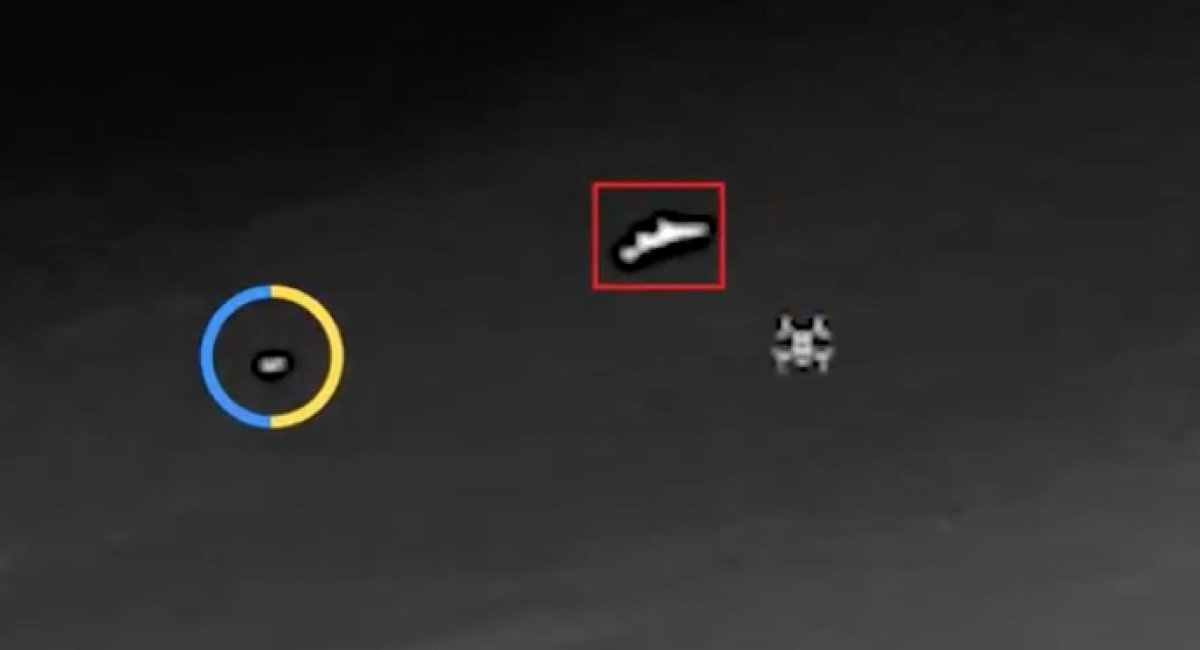
An upgraded Ukrainian Zirka interceptor successfully destroyed a Russian Geran-5 drone on October 31, 2026. The interception was conducted by the Darknode battalion of Ukraine’s Unmanned Systems Forces, showcasing the effectiveness of the Zirka, which utilizes a Raspberry Pi 5 for targeting. The Zirka, initially considered too slow for jet drones, has demonstrated improved capabilities, achieving speeds of 400 km/h and intercepting at an altitude of 3,500 meters. This incident highlights Ukraine's ongoing efforts to counter Russian drone attacks, which have intensified throughout the year. The interception was captured on video and shared by the ZRK tech project, the drone's developer. The Zirka's automatic guidance system reportedly enhances its effectiveness against maneuvering targets by up to 60%. This event underscores the evolving nature of drone warfare in the ongoing conflict between Ukraine and Russia.
Ask AI about this cluster
Answers cite the sources they use
Timeline
More articles in this cluster (5)
Common questions
What type of drone was intercepted?
How does the Zirka interceptor work?
What is the significance of this interception?
Continue Reading
 Critical RCE Vulnerability in Prefab UI Disclosed A critical remote code execution vulnerability, CVE-2026-120338, was disclosed on November 1, 2026, affecting Prefab UI's Generative UI sandbox. The flaw allows attackers to execute arbitrary Python code by exploiting Deno's permissions, enabling file read/write access on the host server. This vulnerability affects…
 China-Linked Hackers Exploit PHP2Shell Vulnerabilities to Breach U.S. Government Systems On October 21, 2026, the PHP development team released patches for two critical vulnerabilities in PHP, known as PHP2Shell (CVE-2026-109618 and CVE-2026-109619), which allow unauthenticated remote code execution. These vulnerabilities were actively exploited by a suspected China-linked threat actor who compromised 25…