Calendly is a widely used scheduling platform that lets users share availability to book meetings.
Calendly is a widely used scheduling platform that lets users share availability to book meetings. In cybersecurity, threat actors are abusing Calendly invites to deliver phishing messages, harvest credentials, and potentially hijack advertising or other linked accounts, highlighting the risk of calendar-based links and brand impersonation in threat campaigns.
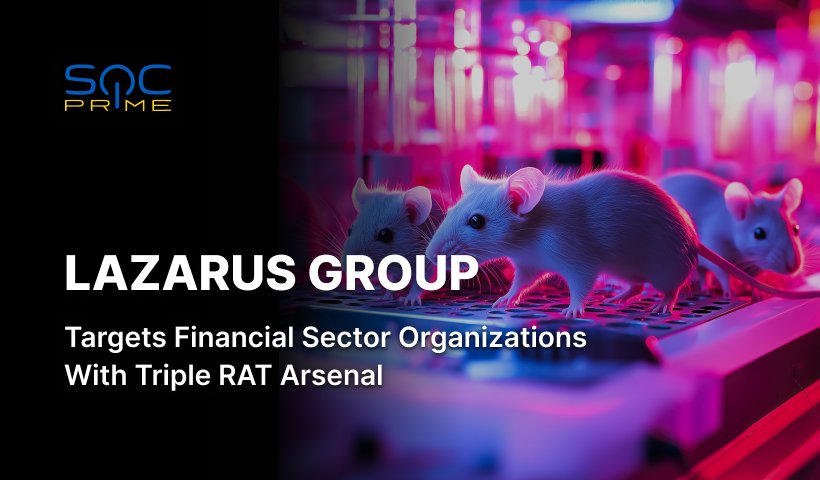
The Lazarus Group, a North Korea-linked cybercrime organization, has intensified its operations against financial and cryptocurrency sectors using a sophisticated fileless Remote Access Trojan (RAT) called RemotePE.…
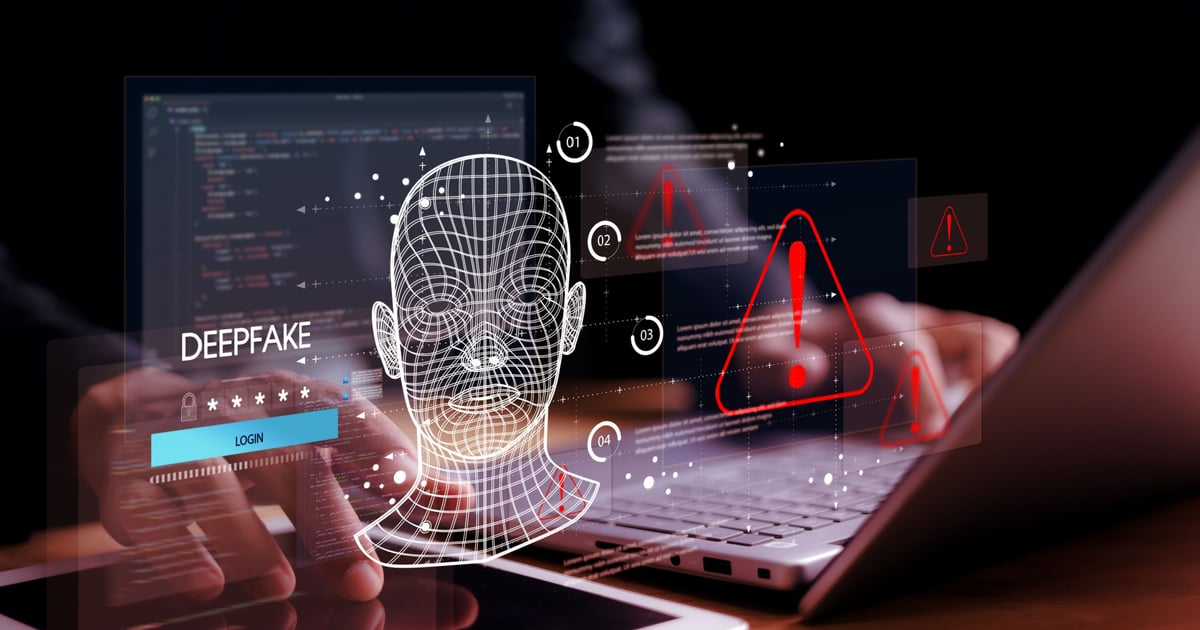
North Korea's BlueNoroff group is executing a sophisticated campaign against cryptocurrency executives, utilizing fake Zoom meetings enhanced with AI-generated avatars and stolen video footage. The attacks primarily…
A North Korean cyber group, BlueNoroff, has developed a phishing kit that utilizes AI-generated faces to create convincing fake Zoom and Teams meetings targeting cryptocurrency executives. The kit employs pre-edited…
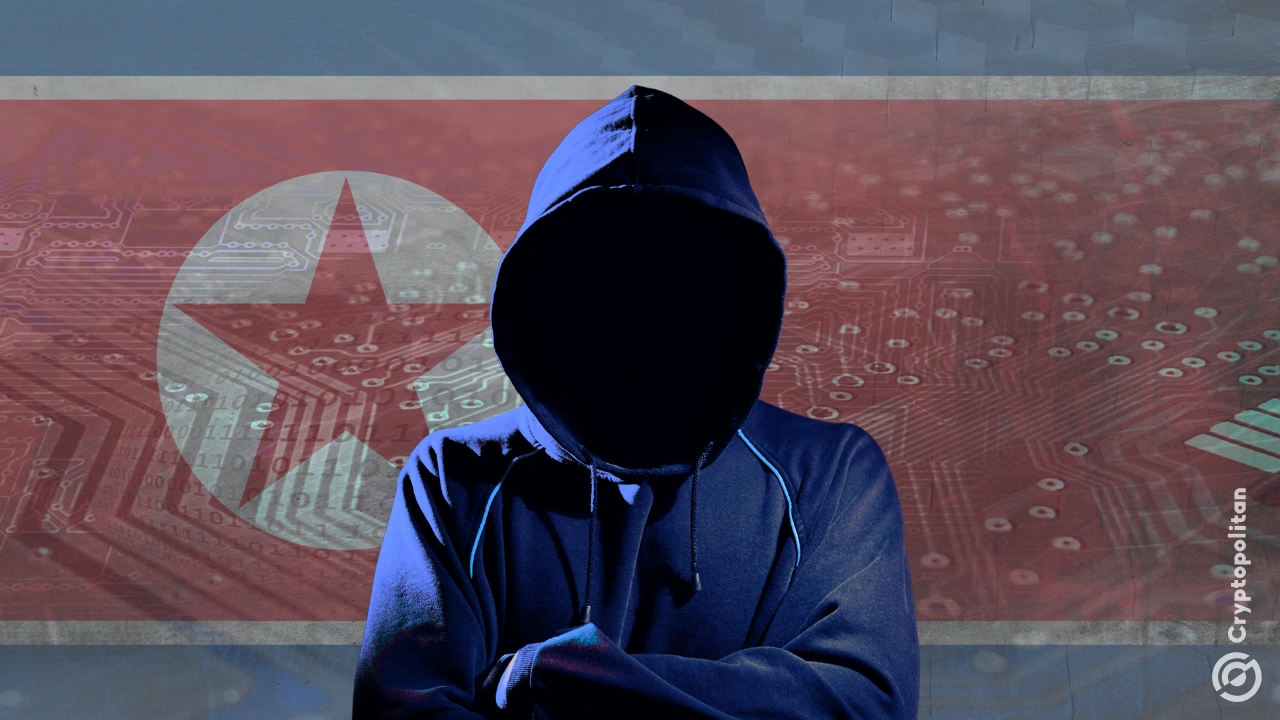
Threat actors linked to North Korea, identified as UNC1069, are using fake Microsoft Teams domains to execute social engineering attacks and distribute malware. These attacks target corporate users by mimicking the…
A phishing campaign impersonating Booking.com has targeted hotel operators in Japan, utilizing emails with malicious attachments. The attack employs a multi-stage malware process involving a ZIP archive containing a…
A phishing campaign has been launched against hotels in Europe and Asia, utilizing malicious zip files disguised as guest photos to install malware. Attackers impersonate guests with complaints, tricking hotel employees…
A recent analysis revealed that Google Safe Browsing missed 84% of phishing sites identified in February 2026. This significant oversight highlights vulnerabilities in existing detection tools, affecting users and…
Proofpoint's analysis reveals that a significant number of banks in Australia and major companies in India are not enforcing the strongest DMARC email authentication protocols, leaving them vulnerable to AI-enhanced…
North Korean hackers have exploited fake Zoom meetings to distribute malware, resulting in over $300 million in losses for cryptocurrency users. The attackers utilize familiar Telegram accounts to disguise meeting links…
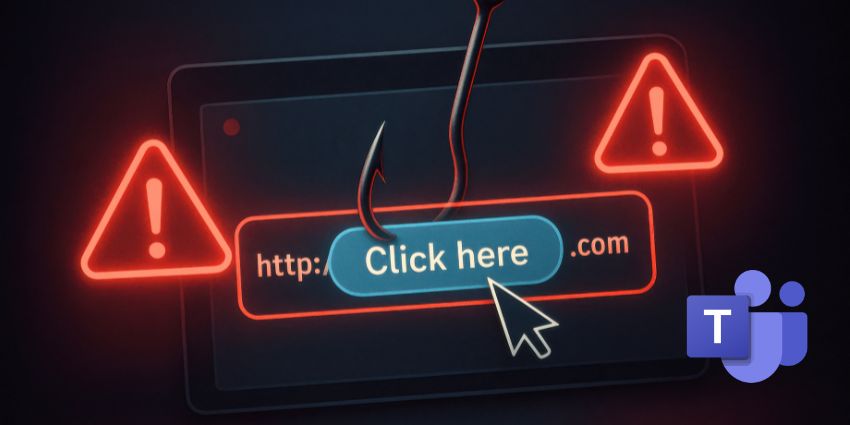
A phishing campaign is impersonating over 75 major brands, including MasterCard, Uber, Unilever, and Disney, using fraudulent Calendly invites to steal Google Workspace and business account credentials. The campaign…