 Cryptopolitan
 Lazarus Group Escalates Attacks with Fileless RemotePE Trojan Targeting Crypto and Banks
Article Content

- •Lazarus Group uses a fileless RAT named RemotePE to target banks and cryptocurrency firms.
- •The malware operates entirely in memory, evading traditional detection methods.
- •In 2026, Lazarus has stolen $577 million, representing 76% of all crypto thefts globally.
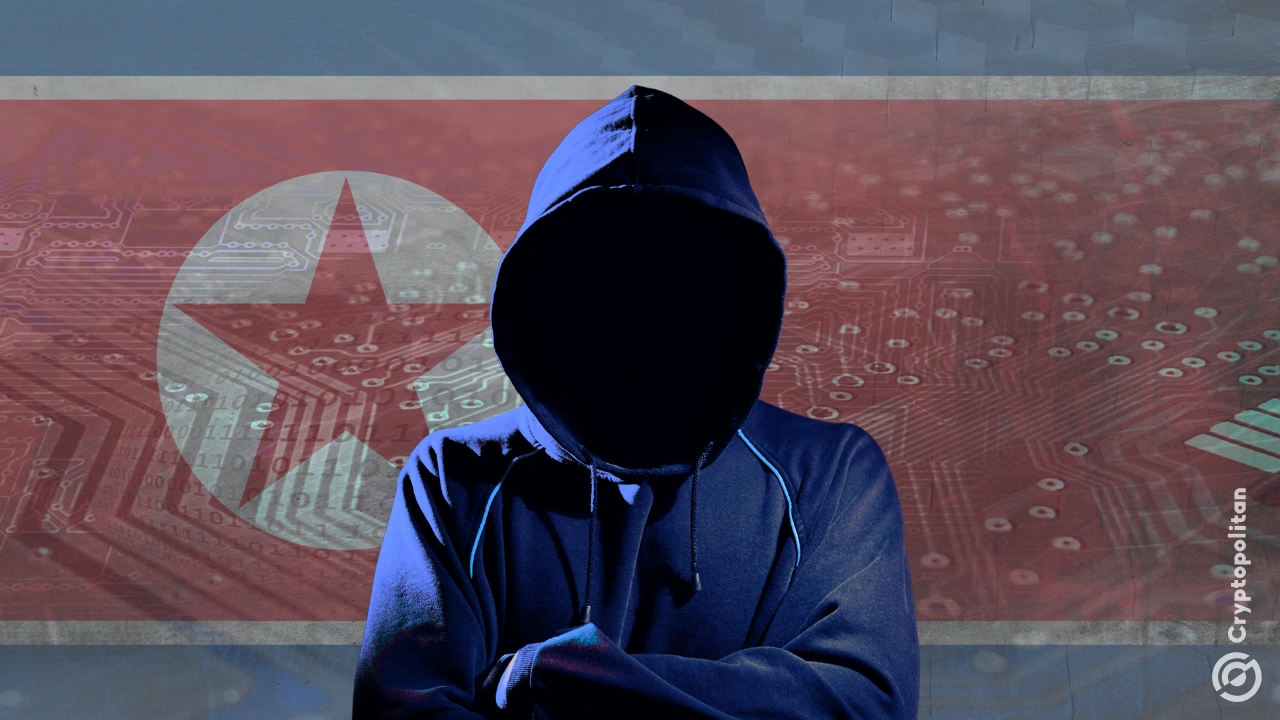
The Lazarus Group, a North Korea-linked cybercrime organization, has intensified its operations against financial and cryptocurrency sectors using a sophisticated fileless Remote Access Trojan (RAT) called RemotePE. This malware operates entirely in memory, making it difficult to detect and leaving minimal forensic traces. The attack begins with social engineering tactics, where attackers impersonate employees of trading firms via Telegram and use fake scheduling links from platforms like Calendly and Picktime. The malware executes through a three-stage process involving DPAPILoader, RemotePELoader, and the final RemotePE payload, all while avoiding file system interactions. In the first four months of 2026, the Lazarus Group has reportedly stolen approximately $577 million in cryptocurrency, accounting for 76% of global crypto thefts. This marks a significant increase in their operations, with a total of $6 billion stolen since 2017, allegedly funding North Korea's weapons programs amid international sanctions.
Ask AI about this cluster
Answers cite the sources they use
Timeline
More articles in this cluster (12)
Following this threat?
Track Lazarus and PondRAT in your own feed — you're alerted when they show up in new reporting, leak sites or exploitation.
Free account · no card needed
Continue Reading
 Bitget Suffers $351.6 Million Hack Linked to North Korean Attackers On September 24, 2026, cryptocurrency exchange Bitget reported unauthorized transfers totaling approximately $351.6 million from its hot and warm wallets, attributed to suspected North Korean hackers. The breach was detected at 18:31 UTC and involved the compromise of a critical backend system, allowing attackers to…
  Cyber Espionage Escalates in Europe Amid Geopolitical Tensions Cyberattacks on the public sector have surged by 114% in Europe over the past 30 months, with an average of 2,563 attacks per week per organization. This increase is attributed to rising geopolitical tensions, particularly related to the ongoing conflict between Russia and Ukraine. Check Point Research reports that…