 english.hani.co.kr
US Military Command Structure Sparks Tensions in Northeast Asia
Ask AI about this cluster
Analyzing cluster data...
Referenced clusters:
Something went wrong. Please try again.
Cluster AI
Ask questions about this threat cluster with AI-powered analysis.
Get Researcher $29.99/moArticle Content
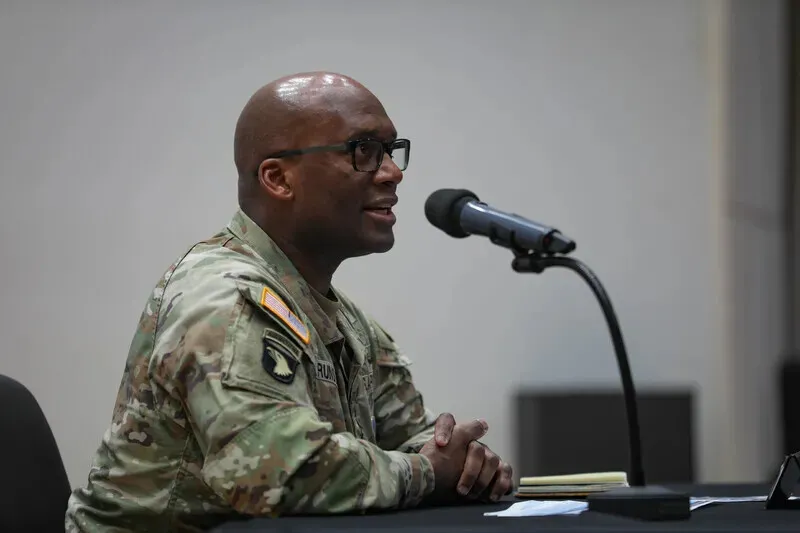
General Xavier Brunson, commander of US Forces Korea, described Korea as a 'dagger' aimed at China, provoking criticism from both Chinese officials and South Korean leaders. His remarks, made during the May 2026 Shangri-La Dialogue, suggest a military posture that could escalate tensions in the region. The comments imply that US forces in Korea and Japan are positioned to deter Chinese aggression, particularly regarding Taiwan. South Korean President Lee Jae Myung emphasized the need for a seamless transfer of operational control to strengthen the ROK-US alliance. The situation reflects a broader shift in US military strategy to prepare for simultaneous conflicts involving North Korea and China. The rhetoric surrounding the 'dagger' and 'shield' metaphors raises concerns about the potential for misinterpretation and unintended escalation in the region. The current military command structure is viewed as inadequate for addressing the intertwined security challenges posed by both adversaries.
Key Points: • General Brunson's remarks characterize Korea as a military threat to China. • South Korean leadership calls for a quick transfer of operational control to enhance alliance stability. • The US military strategy is shifting to prepare for simultaneous conflicts with North Korea and China.