 gitprotect.io
 AI Threat Vectors Compromise DevOps Security in 2026
Article Content
Browse articles 
- •68 AI-related security incidents reported in Git hosting platforms in 2025.
- •Attackers can exploit AI agents to steal credentials and inject malicious code.
- •Zero trust and strict access controls are essential for securing AI-powered DevOps.
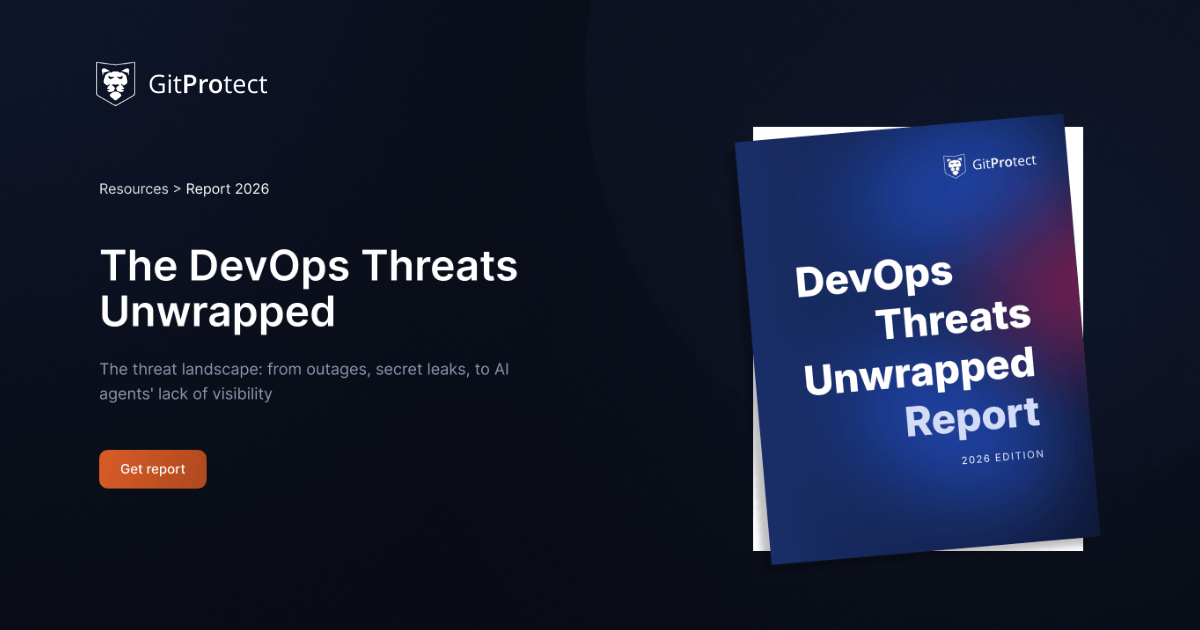
In 2026, the rise of autonomous AI agents in DevOps pipelines has led to significant security challenges. The 2026 DevOps Threats Unwrapped Report indicates that Git hosting platforms faced 68 AI-related issues in 2025. Attackers exploit AI agents by abusing user credentials, injecting malicious prompts, and sabotaging code. The report emphasizes the need for multi-layered defenses, including zero trust and strict access controls. Security teams are urged to implement behavior-based detection and enforce least-privilege access to mitigate risks. The situation remains critical as AI threat vectors continue to evolve rapidly, posing risks to sensitive credentials and proprietary code.
Ask AI about this cluster
Answers cite the sources they use
Updated 105d ago How this analysis works
Timeline
2025-01-01
68 AI-related issues reported
Git hosting platforms experienced 68 AI-related security incidents throughout 2025, highlighting vulnerabilities in DevOps pipelines.
gitprotect.io2026-06-08
AI threat vectors identified
The emergence of autonomous AI agents in DevOps has led to new attack methods, including credential theft and malicious prompt injections.
Darkreading2026-06-08
Multi-layered defense strategies recommended
Security experts recommend implementing zero trust and strict access controls to protect against AI-related threats in DevOps.
gitprotect.ioMore articles in this cluster (4)
Continue Reading
 Critical Zero-Day Vulnerability in F5 BIG-IP APM Exploited for Remote Code Execution F5 Networks has reported a critical vulnerability in its BIG-IP Access Policy Manager (APM), tracked as CVE-2026-94127, which is being actively exploited in the wild. The flaw allows unauthenticated attackers to execute remote code on systems configured with both an APM access policy and an OAuth profile. This…
  Massive Network of AI Proxy Servers Used for Malicious Activities Uncovered Security researchers from Team Cymru have identified over 10,000 proxy servers in China facilitating malicious AI activities. These servers, termed 'transfer stations,' are primarily used to bypass geographic restrictions and conduct model distillation attacks against frontier AI models. The infrastructure allows…